Do You Need a Police Report for a Car Accident Claim?

A police officer writing a report beside two parked cars at a minor accident scene

A police report is one of the most valuable pieces of evidence in a car accident claim. It creates an official, neutral record of the crash that insurers and courts rely on. Many states also legally require reporting any accident involving injury or damage above a set amount.

Paperwork representing a police report for a car accident claim

Key Takeaways

  • A police report is strong, neutral evidence for your claim.
  • Many states require reporting crashes with injury or significant damage.
  • You can usually get a copy from the police department within a few days.
  • If no report exists, your own documentation becomes even more important.

Why Is a Police Report So Important?

A police report is a neutral, third-party account of the crash. It documents the date, location, parties, vehicle damage, and often the officer’s view on what happened. Insurers give it significant weight, and it protects you if the other driver later changes their story.

When Are You Required to File One?

Most states require a police report when a crash involves injury, death, or property damage above a set dollar amount. Even when it’s not legally required, calling the police is usually smart — the official record almost always helps your claim more than it hurts.

How Do You Get a Copy of the Report?

You can usually request a copy from the responding police department or online portal within a few days of the crash. You’ll need the report number, the date and location, and the names of those involved. Get a copy as soon as it’s available and check it for errors.

What If There’s No Police Report?

You can still file a claim without a police report, but your own evidence becomes critical. Photos, witness contact details, medical records, and a written account of what happened all help prove your case. Notify your insurer promptly and document everything you can.

Claim disputed despite a police report? A free attorney review can help you push back.

What Should You Do If Police Don’t Come to the Scene?

In minor crashes, police sometimes won’t respond, especially in busy areas or when there are no injuries. If that happens, you can usually file a report yourself at a local police station or online, often within a set number of days. Many states require a self-report for crashes above a certain damage amount.

If no official report exists at all, build your own record: photograph the scene and damage, collect witness contact details, and write down everything while it’s fresh. This documentation becomes your evidence in place of the report.

How Does a Police Report Affect Your Claim?

A police report is one of the most persuasive pieces of evidence in a car accident claim. It provides a neutral, third-party account of the crash, often including the officer’s notes on conditions, statements, and sometimes an opinion on fault or a citation issued.

While the report isn’t the final word on liability — insurers and courts make their own determinations — it carries real weight in negotiations. A report that supports your version of events can significantly strengthen your position and speed up a fair settlement.

Does a Police Report Determine Who Pays?

Not by itself. A police report is influential evidence, but insurers and courts make the final call on liability. An officer’s opinion on fault, or a citation issued at the scene, carries weight in negotiations — yet the other side can still dispute it with their own evidence.

Think of the report as a strong foundation rather than a verdict. Pair it with your own photos, witness statements, and medical records, and it becomes far harder for an insurer to shift blame or minimize your claim.

How Long Do You Have to Get the Police Report?

Reports are usually available within a few days to two weeks after the crash, once the officer files it. You can request a copy from the responding police department, and many states now offer online access through a records portal. Get it early — it’s core evidence, and waiting risks the report becoming harder to obtain as time passes.

Frequently Asked Questions

Can I file an insurance claim without a police report?

Yes, but it’s harder. Without a police report, insurers rely more heavily on your own evidence. Photos, witness statements, and medical records become essential to prove what happened and who was at fault.

How long do I have to get a police report?

Reports are usually available within a few days of the crash. Request your copy promptly and review it for accuracy. If you find an error, contact the department right away to ask how to request a correction.

What if the police report has the fault wrong?

A police report isn’t the final word on fault, but it carries weight. If it contains an error, you can request a correction for factual mistakes and gather additional evidence — photos, witnesses, expert input — to support your version. An attorney can help challenge it.

Bottom line: whenever possible, get a police report — it’s neutral, authoritative evidence that strengthens your claim. If none exists, build your own record with photos, witness details, and a self-report so you’re never left relying on memory alone.

And if an insurer ever downplays your version of events, a police report that supports you is often the fastest way to bring the negotiation back to the facts and keep your claim on solid ground.

Conclusion

A police report is one of the strongest tools for a smooth car accident claim. Call the police when in doubt, request your copy promptly, and check it carefully. If no report exists — or it gets the facts wrong — thorough personal documentation and legal help can keep your claim on track.

Related Guides

How Is Fault Determined in a Car Accident?

A magnifying glass over a car accident diagram symbolizing fault investigation

Fault determines who pays after a crash, and it’s decided by evidence — not by who apologizes at the scene. Insurers and, if needed, courts weigh police reports, photos, witness statements, and traffic laws to assign responsibility. In some states, being even 1% at fault can bar your recovery entirely.

Last updated: July 2026.

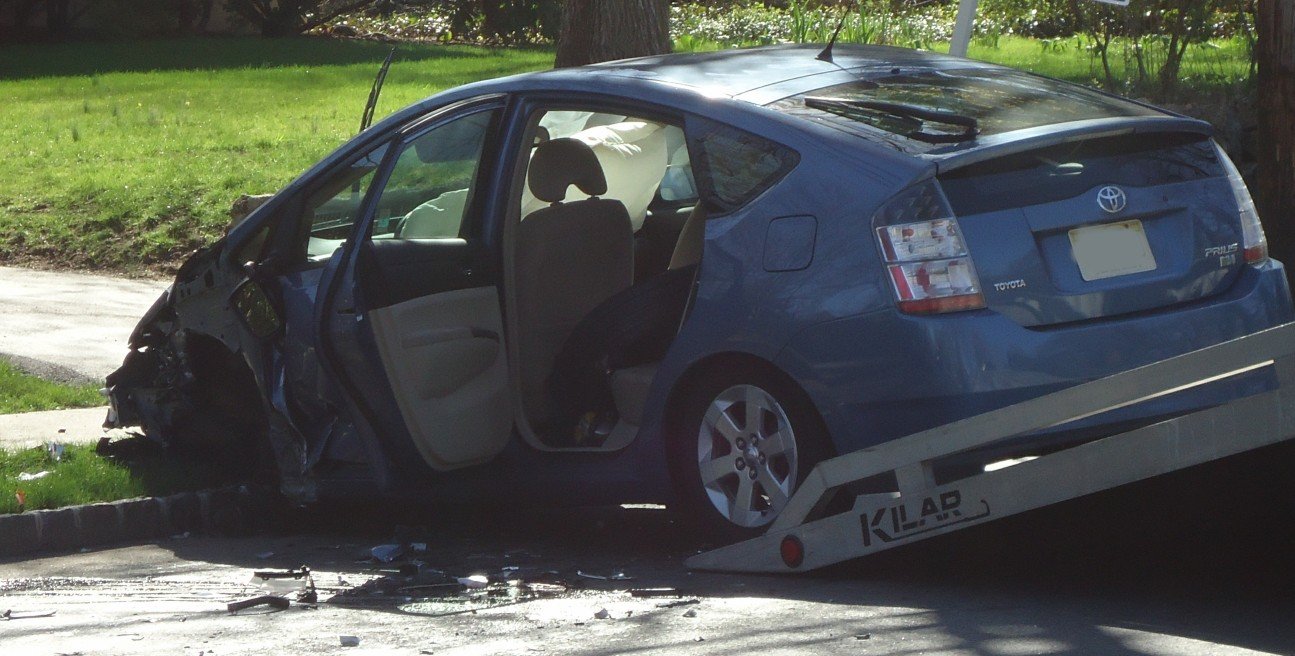
Crash scene with deployed airbags used to help determine fault

Key Takeaways

  • Fault is decided by evidence, not on-the-spot apologies.
  • Police reports, photos, and witness statements carry the most weight.
  • Shared-fault rules vary by state and can reduce or block your recovery.
  • Never admit fault at the scene — let the evidence speak.

Who Decides Who Is at Fault?

In most cases, insurance adjusters make the first fault determination by reviewing the evidence. If the parties dispute it and the case goes to court, a judge or jury decides. Either way, the decision rests on documented facts — which is why what you collect at the scene matters so much.

What Evidence Is Used to Determine Fault?

Several types of evidence carry the most weight when assigning fault:

  • Police report — a neutral account, often including the officer’s assessment
  • Photos and video — vehicle damage, skid marks, traffic signals, dashcam footage
  • Witness statements — neutral third parties who saw the crash
  • Traffic laws — which driver violated a rule (e.g., ran a red light)
  • Vehicle damage patterns — which can show how the collision occurred

What Are the Rules for Fault Determination in a Car Accident?

Fault determination rules are the framework insurers and courts follow to assign blame. While the exact wording varies by state, the same core principles drive nearly every decision:

  • Duty of care — every driver must operate their vehicle safely and follow traffic laws.
  • Breach — a driver who violates a rule (speeding, running a red light) breached that duty.
  • Causation — the breach must have actually caused the crash, not just coincided with it.
  • Right-of-way rules — who legally had priority often decides fault at intersections.
  • Presumption rules — rear-end and left-turn crashes carry near-automatic fault presumptions.

These rules apply whether you are in the US or elsewhere — the same duty-breach-causation logic underpins fault determination rules in the UK and most common-law countries, though thresholds and comparative-fault limits differ. Once fault is assigned, your state’s no-fault or at-fault system decides how much you can actually recover.

How Does Shared Fault Affect Your Claim?

Many crashes involve shared blame, and your state’s rules decide what that means. In pure comparative states, a 20% fault finding cuts a $100,000 award to $80,000. In strict contributory-negligence states like North Carolina, being even 1% at fault can bar recovery entirely.

Why You Should Never Admit Fault

A casual “I’m sorry” at the scene can be treated as an admission of fault, even if the other driver was mostly responsible. Stick to the facts with police and insurers, avoid speculation, and let the evidence determine fault. This single habit can protect thousands of dollars in your claim.

Being blamed for a crash that wasn’t your fault? A free attorney review can help you fight back.

How Do Insurance Companies Assign Fault?

After a crash, each driver’s insurer investigates and assigns a percentage of fault based on the evidence: the police report, photos, statements, vehicle damage, and traffic laws. In many cases the insurers negotiate with each other to agree on an allocation, which then drives who pays what.

Certain situations carry near-automatic fault presumptions — for example, rear-end collisions usually place fault on the driver behind, and left-turn crashes often fall on the turning driver. But these are starting points, not absolutes, and strong evidence can shift them.

What Can You Do If You Disagree With the Fault Decision?

You are not stuck with an insurer’s fault finding. If you believe it’s wrong, you can dispute it by submitting additional evidence — new photos, witness statements, a dashcam clip, or the full police report — and asking for a formal review.

  • Request the insurer’s reasoning for the fault decision in writing.
  • Provide any evidence that contradicts their version.
  • Get statements from witnesses who saw the crash.
  • Escalate to a supervisor or file a complaint with your state insurance department.
  • Consult an attorney if the fault dispute involves significant money.

Because shared-fault rules can sharply cut your payout, even a small change in the assigned percentage can be worth fighting for.

How Does Fault Affect What You Can Recover?

Fault and money are directly linked. In most states, your compensation is reduced by your share of fault — a 20% fault finding cuts a $50,000 recovery to $40,000. In a handful of strict “contributory negligence” states, being even 1% at fault can bar you from recovering anything at all.

That’s why the fault percentage is often the most fiercely negotiated part of a claim. Even a small shift can mean thousands of dollars, so it pays to document the crash thoroughly and challenge any fault finding you believe is unfair.

Can Fault Be Split Between Both Drivers?

Yes — shared fault is common. Insurers often assign a percentage to each driver, such as 70/30, based on the evidence. Under comparative negligence rules, your recovery is then reduced by your share. Because even a modest change in that split can shift thousands of dollars, it’s worth documenting the crash carefully and disputing any percentage you believe is unfair.

Frequently Asked Questions

Does the police report decide who is at fault?

Not entirely. A police report carries significant weight and often includes the officer’s opinion, but insurers and courts make the final call using all available evidence. A report can be challenged with photos, witnesses, and other proof.

What if both drivers are partly at fault?

Your recovery depends on your state’s shared-fault rule. Most states reduce your award by your percentage of blame. A few strict states bar recovery if you’re even slightly at fault, so clear evidence of the other driver’s responsibility is critical.

Can fault be changed after the insurer decides?

Yes. An insurer’s fault determination isn’t final. You can dispute it with additional evidence, and if negotiation fails, the matter can go to court. An attorney can help gather proof and challenge an unfair fault decision.

What are the rules for determining fault in a car accident?

Fault is determined using duty of care, breach of that duty, and causation. Insurers weigh the police report, photos, witness statements, traffic-law violations, and right-of-way rules. Rear-end and left-turn crashes carry near-automatic fault presumptions that strong evidence can still shift.

Bottom line: fault decides who pays and how much, so it’s worth protecting. Document the scene thoroughly, avoid admitting blame, and don’t accept an unfair fault percentage without challenging it — even a few points can be worth thousands of dollars.

Conclusion

Fault is the foundation of every car accident claim, and it’s built on evidence. Document the scene thoroughly, never admit blame, and understand your state’s shared-fault rules. When fault is disputed — especially in strict states — a free legal consultation can protect your right to recover.

Related Guides

Hit by an Uninsured Driver: What to Do and How to Get Paid

A worried but calm driver on the phone beside a car symbolizing an uninsured motorist claim

If an uninsured driver — or a hit-and-run driver — causes your crash, your own Uninsured Motorist (UM) coverage usually becomes your main path to compensation (Progressive, 2026). In most states, a driver who flees is treated as “uninsured,” so the same coverage applies.

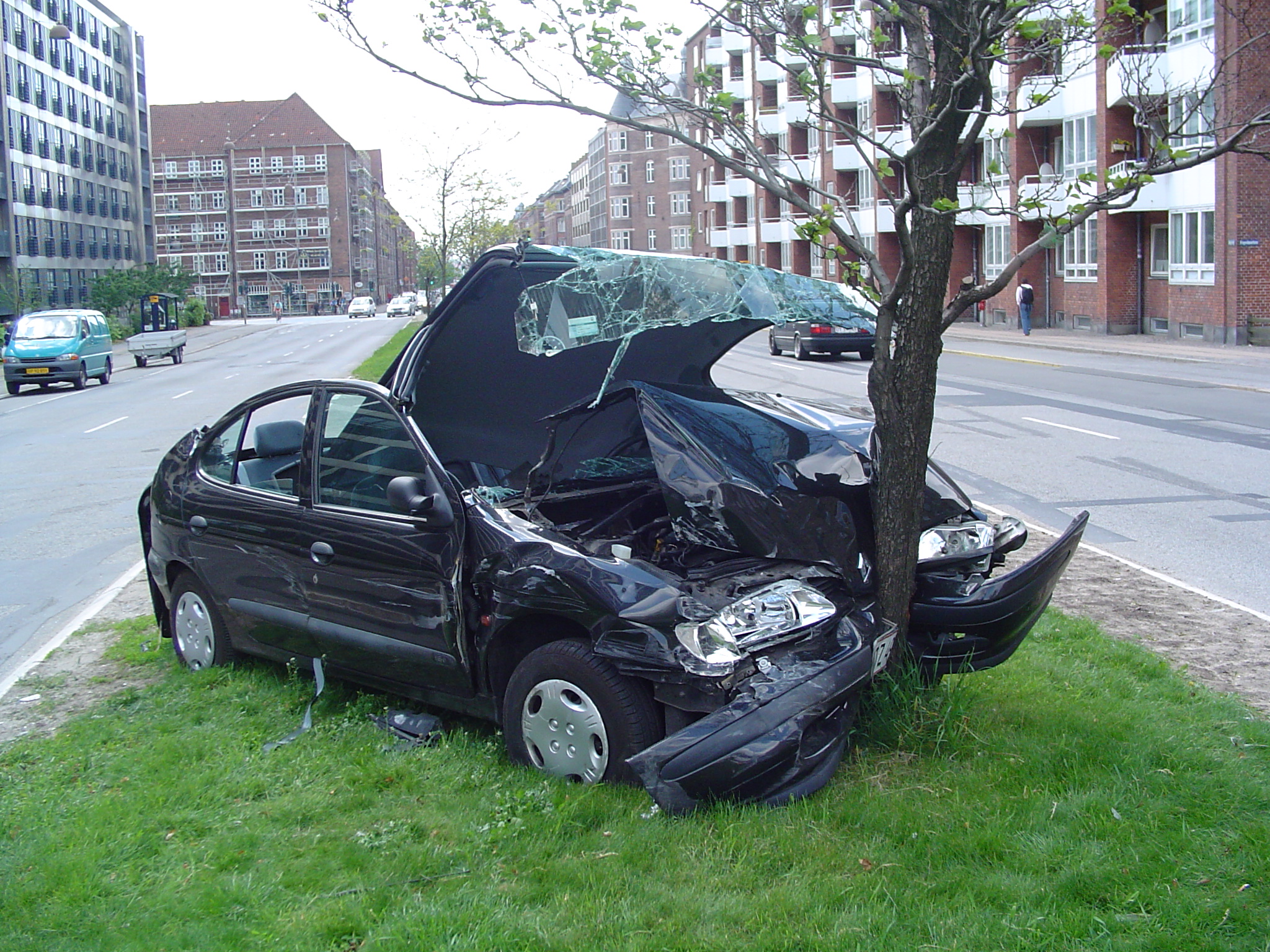
Two vehicles in a collision after being hit by an uninsured driver

Key Takeaways

  • Your Uninsured Motorist (UM) coverage is usually your main recovery source.
  • Hit-and-runs are typically treated as “uninsured” claims.
  • UM claim deadlines can be short — sometimes as few as 30 days.
  • Suing an uninsured driver rarely pays, since they often have no assets.

What Should You Do at the Scene?

Call 911 and get a police report — it’s especially important with uninsured drivers and hit-and-runs (State Farm, 2026). Document everything with photos, and for a hit-and-run, note any plate, make, or model details. Don’t chase a fleeing driver — your safety comes first.

What Is Uninsured Motorist (UM) Coverage?

UM coverage steps in when the at-fault driver has no insurance — your own insurer essentially “stands in the shoes” of the at-fault driver. It usually has two parts:

  • Uninsured Motorist Bodily Injury (UMBI): covers your injuries
  • Uninsured Motorist Property Damage (UMPD): covers damage to your car (in some states)

UM coverage can even apply if you’re hit as a pedestrian or in someone else’s car.

How Do You File a UM Claim?

Report the claim to your own insurer as soon as possible and ask whether UM coverage applies. Watch the deadline closely — some insurers allow as few as 30 days for UM claims (Nolo, 2026). An adjuster will investigate, so keep your police report, photos, and medical records ready.

What Other Coverage Can Help?

If you don’t have UM coverage, or want to supplement it, these may help:

  • Collision coverage — repairs your car regardless of fault (after your deductible)
  • MedPay or PIP — covers medical bills regardless of fault
  • Health insurance — a fallback for medical costs (not lost wages)

Can You Sue an Uninsured Driver?

You can, but manage expectations. Even if you win a judgment, drivers who can’t afford insurance often have no assets to collect from — so enforcing it can be a losing battle. For most people, a UM claim through their own policy is the realistic path to compensation.

UM claim denied or delayed? A free attorney review can help you push your own insurer.

What If Your Damages Exceed Your UM Coverage?

Uninsured motorist coverage only pays up to your policy limit, so a severe injury can exceed it. If that happens, you may be able to pursue the at-fault driver personally for the remainder — though collecting from someone who couldn’t afford insurance is often difficult in practice.

This is exactly why carrying higher UM limits is worth considering. Because uninsured and underinsured drivers are common, robust UM coverage is one of the most valuable protections on your own policy, and it typically costs relatively little to increase.

How Does Underinsured Motorist Coverage Differ?

Uninsured motorist (UM) coverage applies when the at-fault driver has no insurance at all. Underinsured motorist (UIM) coverage kicks in when they have insurance, but not enough to cover your damages. Many policies bundle them together as UM/UIM.

With UIM, you first collect the at-fault driver’s limited coverage, then your own UIM policy makes up the difference up to your limit. Filing these claims is done with your own insurer, so keep the same careful documentation you would use against any other insurance company.

Why Is Uninsured Motorist Coverage So Important?

A large share of drivers on the road carry no insurance or too little, which means the risk of being hit by one is real. Without UM/UIM coverage, you could be stuck paying your own medical bills after a crash that wasn’t your fault — and trying to collect from an uninsured driver personally is often fruitless.

For a relatively small addition to your premium, UM/UIM shifts that risk to your insurer. It’s widely regarded as one of the most valuable coverages you can carry, precisely because it protects you from other people’s failure to insure.

Frequently Asked Questions

Does my insurance cover a hit-and-run?

Usually yes, through Uninsured Motorist coverage, since a fleeing driver is typically treated as “uninsured.” Collision coverage can also repair your car. Report the hit-and-run to police quickly — often within 24 to 72 hours — to protect your claim.

How long do I have to file an uninsured motorist claim?

Deadlines can be short — some insurers allow as few as 30 days for UM and underinsured claims. File as soon as you learn the other driver has no or insufficient insurance. Check your policy and report promptly to avoid losing coverage.

What if I don’t have uninsured motorist coverage?

You may still use collision coverage for vehicle damage and MedPay or PIP for medical bills, both of which apply regardless of fault. Health insurance can help with medical costs. Suing the driver directly is an option but often doesn’t pay.

Bottom line: being hit by an uninsured driver is stressful, but the right coverage turns a potential disaster into a manageable claim. Report it properly, lean on your UM/UIM coverage, and document everything as you would against any insurer. If your damages exceed your limits, get legal advice before signing anything.

Conclusion

Being hit by an uninsured or hit-and-run driver is stressful, but you usually have options. Call the police, document everything, and file promptly under your own UM coverage — mindful of short deadlines. Because rules vary by state, a free legal consultation can help with serious or disputed claims.

Related Guides

How Long Does a Car Accident Settlement Take?

An hourglass beside legal settlement papers and a car key symbolizing time

Insurers typically respond to a demand letter within 30 to 45 days, but a complete settlement usually takes at least two months — and often longer (Nolo, 2026). The timeline depends on injury severity, fault disputes, and which insurer you’re dealing with.

Clock representing how long a car accident settlement takes

Key Takeaways

  • Insurers usually respond to a demand letter within 30–45 days.
  • A full settlement typically takes at least two months, sometimes much longer.
  • Counteroffers are the most common first response — the opening offer is usually low.
  • Send your demand letter only after reaching maximum medical improvement.

How Long Until the Insurer Responds to a Demand Letter?

Most insurers respond to a demand letter within 30 to 45 days, and many people set 30 days as a reasonable deadline (Nolo, 2026). Some respond faster; smaller insurers can take months. The response starts negotiations — it rarely ends them.

What Are the Possible Responses?

After reviewing your demand letter, the insurer will usually do one of four things:

  • Accept your demand and pay the amount (least common)
  • Request more information — medical records, bills, or documentation
  • Deny liability and refuse to pay
  • Counteroffer with a lower amount (most common)

Counteroffers are normal. The first offer is a starting point, usually below what your claim is worth.

What Affects the Overall Timeline?

There’s no fixed timeframe, but several factors push it longer:

  • Case complexity — severe injuries or disputed fault take longer
  • Demand size — higher demands get more scrutiny
  • The insurer — some are efficient, others stall to minimize payouts
  • Information requests — respond promptly to avoid delays

When Should You Send the Demand Letter?

Send it only after reaching maximum medical improvement — the point where your doctor confirms your recovery is stable. Settling before then risks underestimating your costs, and once you accept, the settlement is final. Confirm the full extent of your injuries first.

What If the Insurer Stalls or Won’t Respond?

Follow up with the adjuster or their supervisor to check your claim’s status. If they keep stalling, filing — or threatening to file — a lawsuit can restart negotiations, since insurers prefer to avoid the cost and unpredictability of court. Keep an eye on your state’s statute of limitations throughout.

Is your settlement dragging on? A free attorney review can tell you whether the insurer is stalling.

What Are the Typical Stages of a Settlement Timeline?

Understanding the stages helps set realistic expectations. Most injury claims move through a predictable sequence, and each step takes time you can’t always control:

  • Medical treatment: continues until you reach maximum medical improvement.
  • Demand letter: your itemized claim, sent once your costs are clear.
  • Insurer review: the adjuster evaluates and responds, often in 2–6 weeks.
  • Negotiation: offers and counteroffers, which can span weeks or months.
  • Settlement and release: you sign, and payment usually follows in a few weeks.

Simple property-damage claims can wrap up in weeks, while serious injury claims routinely take several months to over a year, especially if fault is disputed.

How Can You Speed Up Your Settlement?

You can’t rush your medical recovery, but you can remove the delays that are within your control. Respond quickly to the adjuster’s requests, submit complete documentation the first time, and keep an organized file so nothing goes missing.

A clear, well-supported demand letter also shortens negotiation by showing the insurer you understand your claim’s value. If the insurer stalls without cause, a firm follow-up — or involving an attorney — often restarts a stuck process.

Does Hiring a Lawyer Change the Timeline?

It can extend the early stages slightly, because a lawyer will insist on waiting until you reach maximum medical improvement and will build a thorough demand — but that patience usually produces a higher settlement. In disputed or serious cases, representation often shortens the frustrating parts by handling insurer tactics and keeping pressure on a stalling adjuster.

The trade-off is rarely about speed for its own sake. A slightly longer, well-managed claim that settles fairly almost always beats a fast one that leaves money on the table.

Frequently Asked Questions

How long does an insurer have to respond to a demand letter?

There’s no universal legal deadline, but insurers typically respond within 30 to 45 days. Many people set a 30-day deadline in the letter itself. If there’s no response, follow up with the adjuster or their supervisor to keep the claim moving.

Why is the first settlement offer so low?

The first offer is a negotiating starting point, not a final number. Counteroffers are the most common response to a demand letter. Expect back-and-forth before reaching a fair amount, and don’t accept the opening figure without understanding your full costs.

Can I speed up my settlement?

Partly. Responding quickly to information requests and submitting complete documentation helps. But you shouldn’t settle before reaching maximum medical improvement, since that risks undervaluing your claim. A complete, well-documented demand often settles faster.

Bottom line: a car accident settlement runs on your medical recovery first and your paperwork second. You can’t rush healing, but you can eliminate every avoidable delay — respond fast, document fully, and push back when an insurer stalls. Patience plus organization is what gets you to a fair number without leaving money behind.

If your claim is still open as the statute of limitations approaches, don’t let it lapse during slow negotiations — filing a lawsuit before the deadline preserves your rights and often prompts a stalling insurer to make a serious offer.

Conclusion

Expect an initial response within about 30 to 45 days, but plan for the full settlement to take at least two months — longer for complex or high-value cases. Document thoroughly, don’t settle too early, and follow up if the insurer stalls. When delays drag on, a free legal consultation can help.

Related Guides

How Long Do You Have to File a Car Accident Claim? (2026 Guide)

A desk with a calendar, a clock, and legal documents symbolizing a filing deadline

Most U.S. states give you just 2 to 3 years to file a car accident claim, and the clock starts ticking the day of the crash (ConsumerShield, 2026). Miss that deadline, called the statute of limitations, and a court will almost certainly throw out your case — no matter how strong it is.

Calendar and paperwork representing the deadline to file a car accident claim

Key Takeaways

  • Most states allow 2–3 years to file a personal injury claim after a crash.
  • The deadline starts on the date of the accident, not when you finish treatment.
  • Claims against a government vehicle can have deadlines as short as 6 months.
  • Missing the deadline almost always means losing your right to compensation.

What Is the Statute of Limitations for a Car Accident?

The statute of limitations is a strict legal deadline for filing a lawsuit. For car accidents, most states set it at 2 to 3 years from the crash date. A few allow up to 5 years or more, while claims involving government vehicles can require action within months.

The purpose is to keep evidence fresh and resolve disputes while memories and records still exist. Once the window closes, your legal right to sue usually disappears.

When Does the Clock Start Ticking?

In most cases, the deadline starts on the exact date of the accident. So if your state allows three years and your crash happened on May 20, 2026, you generally have until May 20, 2029 to file. Waiting until the last minute is risky — building a strong case takes time.

What Exceptions Can Change the Deadline?

Several exceptions can extend or shorten the standard deadline. Knowing whether one applies to you can be the difference between a valid claim and a dismissed one.

  • Minors: If the injured person is under 18, the clock often does not start until they turn 18.
  • Government vehicles: Crashes involving a city bus or government car may require a formal notice within 6 months.
  • Delayed discovery: If an injury is discovered later, some states extend the deadline.
  • Property damage vs injury: Many states set different deadlines for each (for example, California allows 2 years for injury but 3 for property damage).

What Happens If You Miss the Deadline?

If you file after the statute of limitations expires, the court will almost always dismiss your case. The at-fault driver’s insurer knows this too, so they have little reason to negotiate once your window closes. Acting early protects your leverage and your right to recover.

Not sure how much time you have left? A local attorney can confirm your state’s deadline for free.

How Does the Deadline Vary by State?

The statute of limitations for car accident claims is set by each state, and it varies widely. Most states allow between two and four years to file a personal injury lawsuit, but some are shorter. For example, several states give only two years, while others allow three or more. Because the exact deadline depends on where the crash happened, always confirm your state’s specific limit — missing it usually ends your case for good.

Property damage claims (for your vehicle) sometimes have a different, often longer, deadline than injury claims in the same state. Treat them as separate clocks, and never assume one covers the other.

Why You Should Not Wait Until the Deadline

Even though you may have years, waiting is risky. Evidence fades fast: skid marks disappear, vehicles get repaired, and witnesses forget details or move away. Insurers also view very late claims with more suspicion, which can make negotiation harder.

Filing an insurance claim promptly is different from filing a lawsuit — most insurers require “prompt” notice within days, regardless of the years-long court deadline. Report to your insurer quickly to protect coverage, then use the longer statute of limitations only as a final backstop, not a target.

Can You Reopen a Claim After Settling?

Usually no — once you sign a settlement release, you give up the right to seek more money for that crash, even if new injuries surface later. This is exactly why you should never rush to settle before you understand the full extent of your injuries. A signed release is generally final and binding.

Rare exceptions exist, such as fraud or a clear clerical error, but courts treat releases as final. The practical lesson: reach maximum medical improvement and understand your long-term costs before you sign anything.

What Is the Difference Between an Insurance Deadline and a Lawsuit Deadline?

These are two separate clocks people often confuse. Your insurance policy requires “prompt” notice — often within days of the crash — or you risk losing coverage entirely. The statute of limitations, by contrast, is the years-long window to file a lawsuit in court.

Meeting one does not satisfy the other. Report to your insurer immediately to protect your policy, and treat the court deadline as a separate, longer backstop for any lawsuit.

Frequently Asked Questions

Is the deadline the same in every state?

No. Most states fall in the 2-to-3-year range, but some differ. For example, several states allow longer for property damage than for injury. Always confirm the exact deadline for the state where the accident happened.

Does the deadline apply to insurance claims too?

The statute of limitations applies to lawsuits. Insurance companies often set their own, much shorter, reporting deadlines — sometimes just days. Report your crash to your insurer promptly, separate from the legal filing deadline.

Can the deadline ever be extended?

Sometimes. Exceptions for minors, delayed-discovery injuries, or a defendant who left the state can pause or extend the clock. These rules are complex and vary by state, so confirm with a licensed attorney.

Conclusion

Time is one of the most important factors in any car accident claim. Most people have 2 to 3 years, but exceptions can shorten that window fast. The safest move is to confirm your state’s deadline early and start building your case well before it expires.

Related Guides

How Much Is the Average Car Accident Settlement? (2026)

A calculator, dollar bills, and a car key on a desk symbolizing a settlement calculation

The median car accident settlement is about $5,342, but the range is huge — the top 5% of cases pay $97,500 or more (Settlement Insight, 2026). Your payout depends mostly on injury severity, clear fault, and how well you document the crash.

Calculator and money representing how a car accident settlement is calculated

Key Takeaways

  • The median settlement is around $5,342; most claims fall under $10,000.
  • Minor injuries typically settle for $2,000–$15,000; severe injuries can exceed $100,000.
  • Adjusters use a “multiplier method”: medical bills × 1.5 to 5, plus lost wages.
  • First offers are usually low — never accept without understanding your full injuries.

What Is the Average Car Accident Settlement?

Across thousands of real claims, the median payout is about $5,342, with most settling under $10,000 (Settlement Insight, 2026). But averages mislead — a long tail of severe cases pushes the top 10% above $35,000 and the top 5% past $97,500.

In short: there is no single “average.” Your number depends on the specifics of your injury and case.

How Are Settlement Amounts Calculated?

Insurers typically use the multiplier method: they multiply your total medical bills by a factor of 1.5 to 5 based on injury severity, then add lost wages and property damage. So $15,000 in medical bills with a 3x multiplier yields $45,000 for pain and suffering, plus economic losses on top.

What Settlement Can You Expect by Injury Severity?

Injury severity is the single biggest driver of value. Here are typical ranges based on 2026 industry data:

  • Minor (soft tissue, whiplash): $2,000–$15,000
  • Moderate (fractures): $15,000–$50,000
  • Severe / catastrophic: $50,000 to $1 million or more
  • Property damage only (no injury): $500–$25,000

What Else Affects Your Payout?

Your state’s fault rules matter a lot. In “pure comparative negligence” states like California, a 20% fault finding cuts a $100,000 settlement to $80,000. In strict states like North Carolina, being even 1% at fault can bar recovery entirely. Clear evidence of the other driver’s fault is essential.

Wondering what your case is really worth? Get a free settlement estimate from a local attorney.

How Can You Increase Your Settlement Amount?

You have more influence over your payout than most people realize. The biggest lever is documentation: complete, consistent medical records that connect your injuries directly to the crash. Follow your treatment plan, keep every bill and receipt, and track how the injury affects your daily life and work.

A well-organized claim signals to the adjuster that you understand your case’s value and are prepared to push back on a low offer. Consider these proven steps:

  • Get medical care immediately and follow through on all appointments.
  • Keep a detailed record of expenses, lost wages, and pain levels.
  • Don’t accept the first offer — it’s almost always a starting point.
  • Write a clear demand letter that itemizes economic and non-economic damages.
  • Consult a lawyer for serious injuries, since represented claims often settle higher.

When Does a Case Go to Court Instead of Settling?

The vast majority of car accident claims settle out of court — industry estimates put it well above 90%. A case usually only proceeds to a lawsuit when the parties disagree sharply on fault, when the insurer refuses a fair offer, or when injuries are severe and the value is high.

Even after a lawsuit is filed, most cases still settle before trial. Filing suit is often a negotiating step that signals you are serious, rather than a guarantee you will end up in front of a jury.

Are Car Accident Settlements Taxable?

In most cases, compensation for physical injuries is not taxable at the federal level, including money for medical bills and pain and suffering tied to a physical injury. However, portions of a settlement can be taxable — for example, punitive damages and interest are generally taxable, and compensation for lost wages may be treated like the income it replaces.

Tax treatment can be complex and depends on how the settlement is structured. Before you finalize a large settlement, it is wise to consult a tax professional so there are no surprises later.

How Does a Lawyer’s Fee Affect Your Net Payout?

Most car accident lawyers work on contingency, typically taking around one-third of the settlement if they win, and nothing if they don’t. That fee reduces your gross amount, but represented claimants often recover enough more to come out ahead even after fees.

Ask upfront exactly what percentage applies and whether case costs (filing fees, expert witnesses) come out of your share. A clear fee agreement in writing prevents disputes when the settlement arrives.

It also helps to understand that adjusters have settlement authority ranges. A frontline adjuster may only be able to approve up to a set amount, so a well-supported demand that exceeds it can push your claim to a supervisor with more authority. Patience and documentation, not pressure, are what move a claim toward its true value.

Frequently Asked Questions

How long does a car accident settlement take?

Most settle within 3 to 12 months. Simple cases with clear fault and minor injuries take 3–6 months, while serious-injury or disputed cases can take a year or more. Fewer than 5% of cases ever go to trial.

Should I accept the first settlement offer?

Usually not. Initial offers are typically below actual case value. Once you accept, the settlement is final — you cannot ask for more later, even if you need additional treatment. Understand your full injuries first.

Does hiring a lawyer increase my settlement?

Often, yes. Legal sources report represented claimants recover meaningfully more on average, though these figures come from law firms and should be viewed with some caution. Most injury attorneys work on contingency, so there is no upfront cost.

Conclusion

There is no one-size-fits-all settlement figure. The median sits near $5,342, but your real number depends on injury severity, fault rules, and documentation. Before accepting any offer, make sure it reflects the full, long-term cost of your injuries.

Related Guides

Do You Need a Lawyer for a Minor Car Accident?

A person consulting a lawyer at a desk about a minor car issue, professional office

For a genuine fender-bender with no injuries and clear fault, you often don’t need a lawyer. But the moment injuries, disputed fault, or a lowball offer appear, hiring one can pay off — some sources report represented claimants recover meaningfully more on average (Morgan & Morgan, 2025).

Last updated: July 2026.

New to this? Start with our complete guide: Car Accident Lawyer: When You Need One, Cost & How to Choose.

Person consulting a lawyer about whether to hire representation for a minor car accident

Key Takeaways

  • You may not need a lawyer for property-damage-only crashes with clear fault.
  • Hire one if there are injuries, disputed fault, denials, or settlement pressure.
  • “Minor” injuries like whiplash can surface days later — see a doctor regardless.
  • Most injury attorneys work on contingency, so there’s no upfront cost.

When Do You NOT Need a Lawyer?

You can often handle a claim yourself when the case is truly simple. If there are no injuries, fault is clear and uncontested, and the insurer cooperates fairly, hiring a lawyer may cost more than it’s worth.

  • Property damage only, no medical treatment needed
  • The other driver clearly admits responsibility
  • The insurer offers a fair amount covering all repair costs
  • You feel no pressure to sign anything before you’re ready

When Is a Lawyer Worth It?

Legal help becomes valuable the moment red flags appear. Delayed symptoms, disputed fault, and pressure to sign releases can shrink your compensation fast. A free consultation carries little downside when any of these are present.

  • The insurer denied your claim or is rushing you to settle
  • You face significant medical bills or missed work
  • You’re asked to sign a release before treatment is complete
  • A loved one was seriously injured or killed

So, Do You Need a Lawyer for a Minor Car Accident?

Here is a quick decision guide. If you can answer “yes” to all of the first group, you likely don’t need a lawyer for a minor car accident. A “yes” to any item in the second group means a free consultation is worth it:

You can probably handle it yourself if:

  • No one was injured — property damage only.
  • Fault is clear and the other driver admits it.
  • The insurer’s offer fully covers your repairs.
  • You feel no pressure to sign quickly.

Talk to a lawyer if any of these apply:

  • You have any injury — even “minor” whiplash or delayed pain.
  • Fault is disputed or shared.
  • The insurer denied, delayed, or lowballed your claim.
  • You’re asked to sign a release before treatment is finished.

Since most injury attorneys offer a free consultation and work on contingency, checking with one when any red flag appears carries no upfront cost — and can be the difference between a fair payout and a lowball offer. For the bigger picture, see when a car accident lawyer is worth it.

Why “Minor” Accidents Can Become Serious

Car accident injuries aren’t always obvious right away. Adrenaline can mask whiplash, concussions, and soft-tissue damage that appear days or weeks later. That’s why doctors and attorneys both recommend getting checked out promptly — even after a crash that felt minor.

Prompt medical records also tie any later-discovered injury back to the crash, protecting your claim.

How Much Does a Car Accident Lawyer Cost?

Most personal injury lawyers work on a contingency fee, meaning you pay nothing upfront. Their fee comes out of your final settlement only if they win. Combined with free consultations, this means you can learn your options at no financial risk before deciding.

Not sure if your accident is “minor”? A free case review costs nothing and clarifies your options.

How Do You Know If Your Injuries Are Really Minor?

“Minor” can be deceptive. Some serious injuries — including whiplash, concussions, and soft-tissue damage — have delayed symptoms that appear hours or days later. That is why seeing a doctor promptly matters even if you feel fine; a medical record created early links any later symptoms to the crash.

If symptoms worsen, or if you later need ongoing treatment, a claim you thought was minor can grow substantially. Reassess whether you need legal help the moment your medical picture changes, rather than assuming the early impression will hold.

What Can a Lawyer Do That You Can’t Do Alone?

For a truly minor fender-bender with no injuries, handling it yourself is reasonable. But an attorney adds value in specific ways once there is any injury or dispute:

  • Accurately valuing your claim, including future medical costs you might overlook.
  • Handling all communication so you don’t accidentally harm your case.
  • Countering insurer tactics designed to minimize or delay payment.
  • Gathering evidence and expert opinions to prove fault and damages.
  • Negotiating from experience with what similar cases actually settle for.

Because most car accident lawyers work on contingency — taking a percentage only if you win — there is usually no upfront cost to at least get a case evaluated.

What Are the Risks of Handling a Claim Yourself?

Going it alone can work for a no-injury fender-bender, but it carries real risks once anyone is hurt. The biggest is undervaluing your claim — people routinely overlook future medical costs, lost earning capacity, and the true value of pain and suffering. Once you accept and sign, that money is gone for good.

Insurers negotiate these claims for a living and know when a claimant is unsure of their case’s worth. Without experience, it is easy to accept an offer that seems generous but falls short of what similar injuries actually settle for.

How Do You Choose the Right Car Accident Lawyer?

If you decide to hire, choosing well matters. Look for a lawyer who focuses on personal injury and car accidents specifically, and who offers a free consultation so you can assess your options at no cost.

  • Confirm they work on contingency — no fee unless you win.
  • Ask about their experience with cases similar to yours.
  • Check reviews and their standing with the state bar.
  • Make sure you understand the fee percentage and any costs upfront.
  • Choose someone who communicates clearly and answers your questions.

Frequently Asked Questions

Do I need a lawyer for a minor car accident?

Not always. For a property-damage-only crash with clear fault and a fair offer, you can usually handle it yourself. But if there is any injury, disputed fault, or a lowball offer, a free consultation with a contingency-fee lawyer is worth it — represented claimants often recover more.

Can I settle a car accident claim without a lawyer?

Yes, for simple property-damage cases with clear fault and no injuries. You exchange information, file with the insurer, and negotiate the repair cost. For anything involving injuries or disputed fault, a lawyer often recovers more than the fees cost.

Is it worth getting a lawyer for whiplash?

Often yes. Whiplash settlements typically range from $10,000 to $25,000 depending on treatment and impact. Insurers frequently undervalue soft-tissue injuries, so legal help can be worthwhile if symptoms persist or the offer seems low.

How soon should I contact a lawyer after a crash?

The sooner the better if injuries or disputes are involved. Early involvement preserves evidence, prevents costly mistakes with insurers, and ensures you don’t miss your state’s filing deadline. Most consultations are free.

Conclusion

If your accident is truly minor — no injuries, clear fault, fair insurer — you can likely handle it yourself. But if injuries, disputes, or settlement pressure enter the picture, a free consultation with a contingency-fee attorney is a low-risk way to protect what you’re owed.

Related Guides

How to File a Car Accident Insurance Claim (Step by Step)

A person filling out an insurance claim form on a laptop with a car in the background

Filing a car accident insurance claim comes down to a few clear steps: report promptly, document everything, and avoid accepting the first lowball offer. With about 2.42 million people injured in U.S. crashes in 2024 (Advocates for Highway and Auto Safety, citing NHTSA, 2025), insurers process millions of these claims — knowing the process protects your payout.

Insurance claim documents and money for a car accident claim

Key Takeaways

  • Report the crash to your insurer promptly — some deadlines are just days.
  • Document damage, injuries, and the scene before anything is repaired.
  • You’re not required to give a recorded statement to the other driver’s insurer.
  • First offers are usually low; don’t accept before knowing your full costs.

Step 1: Report the Accident to Your Insurer

Notify your insurance company as soon as possible after the crash. Many policies require “prompt” notice, and some set deadlines of just a few days. Reporting early starts your claim and avoids giving the insurer a reason to deny it later.

Step 2: Gather and Submit Documentation

Strong documentation is what moves a claim forward smoothly. Submit everything you collected at the scene, plus any follow-up records.

  • Photos of all vehicle damage and the accident scene
  • The police report number
  • The other driver’s insurance and contact details
  • Medical records and bills, if you were injured

Step 3: Work With the Claims Adjuster

An adjuster will review your claim, inspect the damage, and estimate a payout. Be factual and cooperative with your own insurer. But you are not required to give a recorded statement to the other driver’s insurance company — those statements can be used to reduce your claim.

Step 4: Review the Settlement Offer Carefully

Initial settlement offers are typically below the real value of your claim. Once you accept, it’s final — you can’t reopen the claim if you later need more treatment or repairs. Make sure the offer covers all current and likely future costs before signing.

Insurer offering less than you expected? A free attorney review can tell you if it’s fair.

What If Your Claim Is Denied or Underpaid?

A denial is not the end of the road. Insurers must give a reason, so start by requesting the denial in writing and identifying the exact basis — a missed deadline, a coverage gap, or a fault dispute. Many denials come down to missing documentation that you can still supply.

If you believe the decision is wrong, you can appeal directly with the insurer, escalate to a supervisor, or file a complaint with your state’s department of insurance. For larger disputes, a personal injury attorney can review the file and press the claim — often the leverage that turns a denial into a fair payment.

How Long Does the Claims Process Take?

Simple property-damage claims can resolve in a few weeks, while injury claims typically take months because they can’t be settled fairly until you reach maximum medical improvement — the point where your condition stabilizes. Settling before then risks leaving future medical costs uncovered.

Several factors stretch the timeline: disputed fault, severe injuries, multiple parties, or an uncooperative insurer. Staying organized, responding promptly to requests, and keeping thorough records are the best ways to keep your claim moving as quickly as possible.

What Documents Do You Need to File a Claim?

A well-documented claim moves faster and settles higher. Before you contact the insurer, gather the core paperwork so you can respond to any request without delay. Missing documents are one of the most common reasons claims stall or get denied.

  • The police report or its report number.
  • Photos of the damage, the scene, and any visible injuries.
  • Names, contact details, and insurance info for all drivers.
  • Witness names and contact information.
  • All medical records and bills related to the crash.
  • Receipts for out-of-pocket costs and proof of lost wages.

Should You Use Your Own Insurance or the Other Driver’s?

It depends on fault and your state’s rules. In no-fault states, you generally file with your own insurer for injury costs regardless of who caused the crash. In at-fault states, you can pursue the at-fault driver’s insurer for your damages.

Using your own collision coverage can be faster even when the other driver is at fault — your insurer pays your repair, then recovers from the other side and refunds your deductible. Weigh speed against the deductible when deciding which route to take.

Finally, keep a simple timeline of every contact with the insurer: dates, names, and what was said. If a dispute arises later, this running log is powerful evidence that you acted in good faith and met every deadline — and it keeps you from repeating information or losing track of promises the adjuster made.

Frequently Asked Questions

How long do I have to file an insurance claim?

Insurance deadlines are separate from legal ones and are usually much shorter — sometimes just a few days to report. Check your policy and notify your insurer immediately. The legal statute of limitations for a lawsuit is typically 2 to 3 years.

Should I file with my insurer or the other driver’s?

It depends on fault and your state. In no-fault states, you file with your own insurer first. In at-fault states, you may claim against the responsible driver’s policy. When unsure, report to your own insurer and ask how to proceed.

What if my claim is denied?

A denial isn’t always final. Ask for the reason in writing, fix any missing documentation, and appeal. If the denial seems unfair or involves serious injuries, a free attorney consultation can help you challenge it.

Conclusion

Filing a car accident insurance claim is manageable when you act fast and document thoroughly. Report promptly, keep detailed records, and scrutinize any settlement offer before accepting. When injuries or denials complicate things, a free legal review can protect what you’re owed.

Related Guides

What to Do After a Car Accident: A Step-by-Step Guide (2026)

A calm scene of two drivers exchanging information beside minor car damage on a roadside, professional and safe

In 2024, roughly 2.42 million people were injured in motor vehicle crashes across the United States (Advocates for Highway and Auto Safety, citing NHTSA, 2025). The minutes right after a crash shape your health, your insurance claim, and any legal case. This guide walks you through what to do, step by step.

Damaged car at the scene of a road traffic accident

Key Takeaways

  • Never leave the scene — stop, turn on hazards, and check for injuries first.
  • Call 911 and get a police report; it is critical for insurance and legal claims.
  • See a doctor even if you feel fine — some injuries appear hours or days later.
  • Document everything and avoid admitting fault at the scene.

What Should You Do Immediately After a Car Accident?

Stop your vehicle, stay calm, and check everyone for injuries before doing anything else. Leaving the scene of an injury crash is a crime in every U.S. state. Move to the shoulder if the cars are drivable and it is safe, then turn on your hazard lights to warn other drivers.

If anyone is hurt or the road is blocked, leave the vehicles where they are and wait for police. Your safety comes before paperwork.

When Should You Call 911 and the Police?

Call 911 any time there are injuries, major damage, or a disagreement about fault. A police report creates an official record that insurers and attorneys rely on. With about 36,640 people projected to have died in crashes in 2025 (NHTSA, 2026), responders treat every call seriously.

Even for minor fender-benders, many states require you to report a crash involving injury or damage above a set dollar amount. When in doubt, call.

What Information Should You Exchange and Document?

Collect every detail you can before leaving the scene — memories fade and cars get repaired fast. Strong documentation is the single biggest factor in how smoothly a claim goes.

Exchange with the other driver

  • Full name and contact information
  • Driver’s license number
  • License plate and vehicle make/model
  • Insurance company and policy number

Document the scene yourself

  • Photos of all vehicle damage, from multiple angles
  • Road conditions, traffic signs, and signals
  • Any visible injuries
  • Names and phone numbers of witnesses

Why You Should Avoid Admitting Fault

Stick to the facts and never say “I’m sorry” or “it was my fault” at the scene. Fault is decided later by insurers and, if needed, the courts — based on evidence, not on-the-spot apologies. A casual admission can be used against you even if the other driver was mostly responsible.

Describe what happened plainly to the police, but avoid speculation about who caused the crash.

When Should You See a Doctor and Notify Your Insurer?

See a doctor as soon as possible — even if you feel fine. Injuries like whiplash, concussions, and internal trauma often show up hours or days later. Prompt medical records also link your injuries directly to the crash, which protects any future claim.

Notify your insurance company quickly to start the claims process. Give them the facts and your documentation, but you are not required to give a recorded statement to the other driver’s insurer.

Injured in a crash that wasn’t your fault? A local attorney can review your case for free.

Find out what your claim may be worth before talking to the insurance company.

How Do You Deal With the Other Driver’s Insurance Company?

Soon after a crash, the other driver’s insurer (the “third-party” adjuster) may call you. Be polite but cautious. You are not required to give a recorded statement to the other side’s insurance company, and doing so early — before you know the full extent of your injuries — can hurt your claim. Stick to basic facts: the date, location, and that a crash occurred.

Avoid speculating about fault, your injuries, or your speed. A simple “I’m still being evaluated by my doctor” is enough. Anything you say can be used to reduce or deny your payout, so it is often wise to let your own insurer or an attorney handle communication with the other side.

What Mistakes Should You Avoid After a Crash?

Certain missteps in the first days can quietly undermine a claim. The most common ones are easy to avoid once you know them:

  • Skipping medical care: gaps in treatment let insurers argue you weren’t really hurt.
  • Posting on social media: photos or check-ins can be used to dispute your injuries.
  • Accepting a fast cash offer: early lowball settlements rarely cover long-term costs.
  • Throwing away evidence: keep damaged items, receipts, and the police report number.
  • Admitting fault: even a casual “I’m sorry” can be treated as an admission.

Document everything in one place — a folder or phone note with photos, medical visits, and expenses. Good records are the single most useful thing you can build in the days after a crash, and they make any later claim far stronger.

Frequently Asked Questions

How long do I have to file a car accident claim?

Most U.S. states give you 2 to 3 years to file a personal injury claim after a car accident, though some are shorter. The deadline (called the statute of limitations) varies by state, so check your state’s rules or ask an attorney before time runs out.

Should I call the police for a minor accident?

Yes, in most cases. A police report creates an official record even for minor crashes, and many states legally require reporting if there is injury or damage above a set amount. It also protects you if the other driver later changes their story.

Do I need a lawyer after a car accident?

Not always. For minor crashes with no injuries, you may handle it yourself. But if you were injured, fault is disputed, or the insurer offers a low settlement, a lawyer can often increase your recovery. Most offer free consultations.

Conclusion

The steps you take in the first hour after a crash can protect your health and your claim for months afterward. Stay safe, call for help, document everything, and get checked by a doctor. When injuries or disputes are involved, talking to a qualified attorney is often the smartest next step.

Related Guides