How Much Does a Car Accident Lawyer Cost?

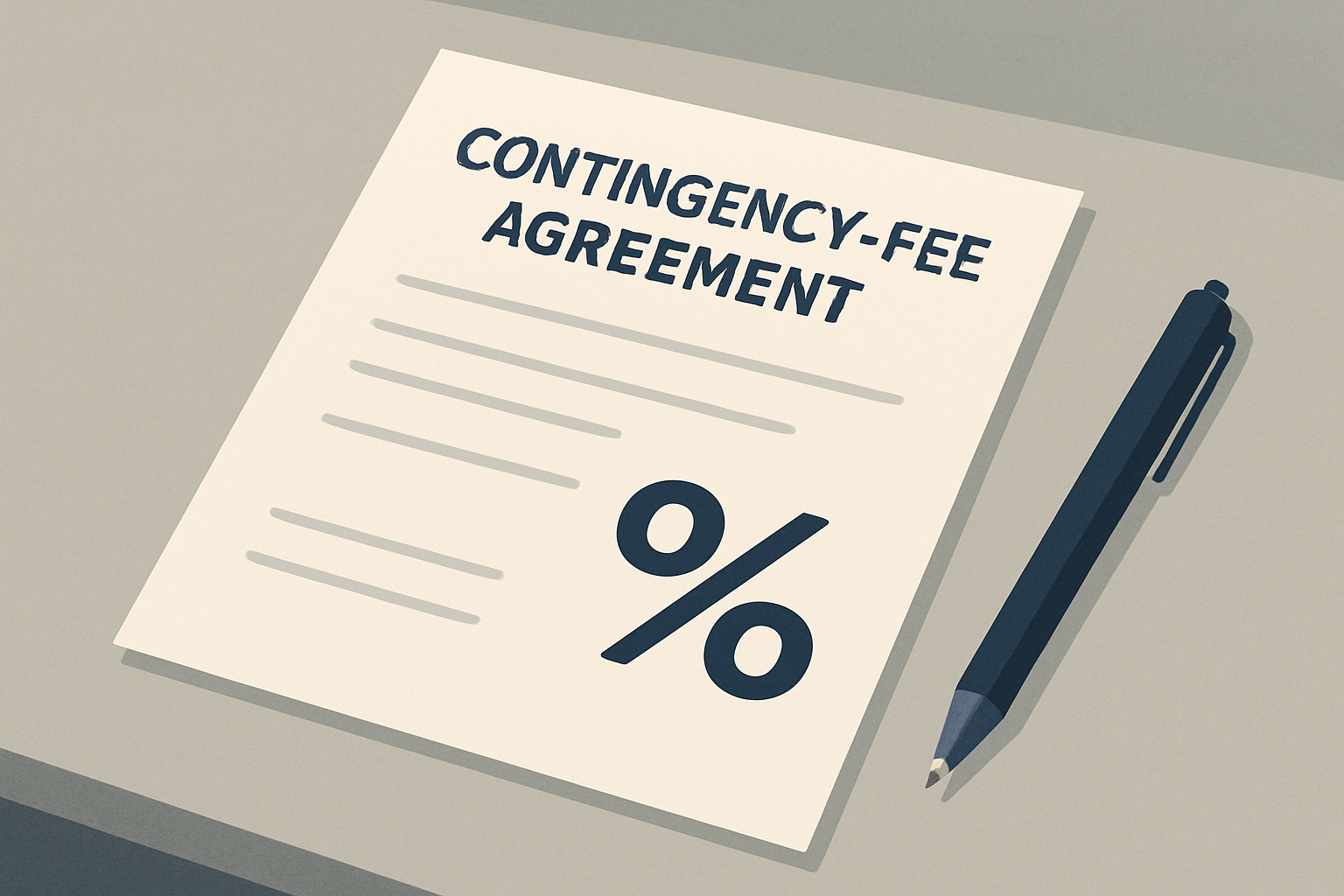
A contingency-fee agreement document with a percentage symbol and a pen on a desk

Most car accident lawyers cost nothing upfront. They work on a contingency fee — typically about 33% if your case settles before a lawsuit, rising to 40% if it goes to trial (Nolo, 2026). You only pay if they win.

New to this? Start with our complete guide: Car Accident Lawyer: When You Need One, Cost & How to Choose.

Courtroom gavel representing car accident lawyer fees

Key Takeaways

  • Most car accident lawyers charge nothing upfront — they use contingency fees.
  • The standard fee is about 33% if settled before trial, up to 40% if it goes to trial.
  • “Case costs” (filing fees, records) are separate from the lawyer’s percentage.
  • Some states cap fees; most lawyers offer a free first consultation.

What Is a Contingency Fee?

A contingency fee means the lawyer’s payment is “contingent” on winning. You pay nothing upfront, and the fee comes out of your settlement only if they recover money for you. If they lose, they collect no fee. This aligns their incentive with yours — they only get paid when you do.

How Much Is the Standard Percentage?

The most common figure is one-third (33%), though the range runs from about 20% to 40% (Mighty, 2026). The American Bar Association cites 33.3% as the industry norm, rising toward 40% for cases that require a lawsuit or trial.

Why the Percentage Changes (Sliding Scale)

Many firms use a stepped scale based on how far the case goes:

  • 25% — settled by negotiating with the adjuster, no lawsuit filed
  • 33% — a lawsuit is filed but the case settles before trial
  • 40% — the case goes to trial

The more work and risk involved, the higher the percentage.

Fees vs. Case Costs — Know the Difference

The lawyer’s fee is their percentage. Case costs are separate out-of-pocket expenses — court filing fees, expert witnesses, police reports, medical records. Most firms advance these and deduct them from your settlement at the end. But read the fine print: some agreements make you repay costs even if you lose, and costs can reach thousands.

A Sample Calculation

If your lawyer charges 33% and you win a $90,000 settlement, the fee is $30,000. After subtracting any case costs, you receive the rest. Always get the fee agreement in writing so you know exactly what comes out.

Most car accident lawyers offer a free consultation — there’s little downside to asking.

Are There Any Upfront or Hourly Fees?

With a contingency-fee arrangement — standard in car accident cases — there are typically no upfront or hourly charges. The lawyer is paid a percentage of your settlement only if they win. If they don’t recover anything, you generally owe no attorney fee, which is what makes legal help accessible after a crash.

Always confirm this in the written fee agreement. Ask specifically whether you owe anything if the case is lost, and whether case costs (separate from the fee) come out of your recovery or are absorbed by the firm.

Is Hiring a Lawyer Worth the Cost?

For minor, no-injury claims, the fee may not be justified — you can often handle those yourself. But for injury claims, studies and industry data consistently show represented claimants tend to recover more, frequently enough to net more even after the contingency fee is deducted.

The value comes from accurate claim valuation, skilled negotiation, and knowing what similar cases settle for. Because the initial consultation is usually free, you can get an experienced opinion on whether representation makes financial sense before committing.

How Does the Fee Compare to Handling It Yourself?

The contingency fee only pays off if the lawyer adds more value than they cost. For serious injury claims, the data generally favors representation — the higher settlements often more than offset the fee. For minor, no-injury claims, the math can flip, and self-handling keeps more in your pocket.

The honest answer depends on your case. A free consultation lets you compare a lawyer’s estimate of your claim’s value against what the insurer is offering, so you can decide whether the fee is worth it before committing.

What Questions Should You Ask About Fees?

Before signing, get the fee terms in writing and ask pointed questions: What percentage do you take? Does it change if the case goes to trial? Who pays case costs if we lose? Are costs deducted before or after your fee is calculated?

Clear answers prevent unpleasant surprises when the settlement arrives. A reputable lawyer will explain all of this plainly — evasiveness about fees is itself a warning sign.

Frequently Asked Questions

Do I pay a car accident lawyer if I lose?

Usually you pay no fee if you lose, since the fee is contingent on winning. But “case costs” can be different — some agreements require you to repay those even in a loss. Read your contingency agreement’s fine print carefully.

Can I negotiate the contingency fee?

Sometimes, especially if the case is straightforward and the lawyer does less work. There’s no guarantee, but it’s worth asking — for example, if the insurer settles quickly after a single demand letter.

Are lawyer fees capped by law?

In some states, yes. Florida uses a tiered cap (33.3% up to $1 million, less above that), and Michigan limits fees to one-third. Check your state’s rules, since caps vary widely.

Bottom line: contingency fees mean you usually pay nothing upfront and nothing if you lose — the lawyer takes a percentage only when you win. For injury claims, that structure makes experienced help accessible, and a free consultation lets you weigh the fee against your claim’s likely value before deciding.

Conclusion

A car accident lawyer typically costs about 33% of your recovery (up to 40% at trial), with no upfront payment and case costs billed separately. Because consultations are usually free and you pay nothing unless you win, there’s little risk in at least asking a lawyer about your situation.

Related Guides

Totaled Car: How Insurers Value It and How to Dispute a Low Offer

A damaged car beside a calculator and valuation documents, professional insurance scene

Your car is “totaled” when repair costs plus salvage value exceed a set percentage of its pre-accident value — often 70–75%, though it varies by state (Kelley Blue Book, 2026). The insurer then pays you the car’s Actual Cash Value (ACV), not what you paid or still owe.

Last updated: July 2026.

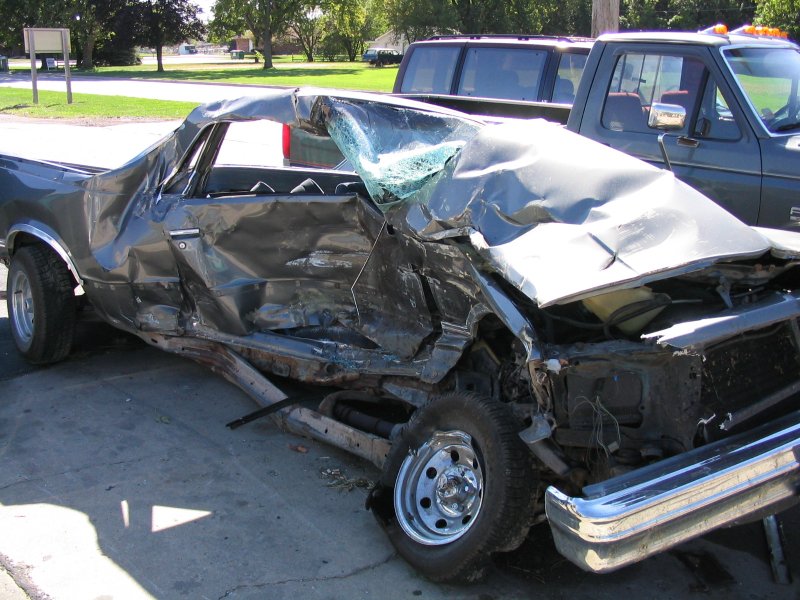
A badly wrecked car declared a total loss after an accident

Key Takeaways

  • A car is totaled when repairs exceed a state threshold (often 70–75%) of its value.
  • You’re paid Actual Cash Value (ACV) — the depreciated market value, not your loan balance.
  • The first offer is negotiable — request the total loss valuation report.
  • If you can’t agree, you can invoke your policy’s appraisal clause.

When Is a Car Considered a Total Loss?

A car is totaled when the cost to repair it, plus its salvage value, exceeds a set percentage of its pre-accident market value. Thresholds vary — Alabama uses 75%, while Texas requires repairs to reach 100% of the car’s value (Kelley Blue Book, 2026). States without fixed thresholds use a Total Loss Formula instead.

What Is Actual Cash Value (ACV)?

ACV is what your car was worth the moment before the crash — its replacement cost minus depreciation for age, mileage, and wear. Crucially, it is not your original purchase price or loan balance. The principle is indemnity: insurance restores you to your pre-loss position, not a profit. ACV differs from a diminished value claim, which recovers lost resale value when your car is repaired rather than totaled.

How Do Insurers Calculate Your Payout?

Most insurers use third-party valuation companies that analyze recent local sales of similar vehicles, then adjust for your car’s mileage, condition, trim, and features. Your final offer is that ACV minus your deductible. Some states also require the insurer to add sales tax and title transfer fees. This valuation happens after you file your insurance claim, so filing promptly with full documentation speeds up the offer.

How Do You Calculate the Actual Cash Value of Your Totaled Car?

You can estimate your totaled car’s actual cash value before the insurer even makes an offer, which gives you a number to negotiate against. The car total loss value is essentially your vehicle’s depreciated market price, so build your own figure from real data:

  1. Look up your exact make, model, year, trim, and mileage on Kelley Blue Book, Edmunds, and NADA.
  2. Pull 5–10 local listings for the same vehicle in similar condition to see the real market range.
  3. Take the average, then adjust up for new tires, recent maintenance, or premium features.
  4. Compare that figure to the insurer’s offer — a gap over 10% is worth disputing.

When someone asks “what is the actual cash value of my totaled car?”, this is the honest answer: it is what a private buyer would have paid the moment before the crash — not a book value in isolation, and not your loan balance. Documenting that number is your strongest tool against a lowball offer.

How Do You Dispute a Low Total Loss Offer?

Don’t accept the first offer blindly. To push back:

  • Request the total loss valuation report — insurers often won’t share it unless you ask
  • Gather your own evidence — KBB, Edmunds, and NADA values plus local comparable listings
  • Check their comparables for accuracy and present a documented counteroffer
  • Invoke the appraisal clause — each side picks an appraiser if you still disagree
  • File a complaint with your state’s Department of Insurance if the insurer breaks the rules

Insurer lowballing your totaled car? A free attorney review can tell you if the offer is fair.

How Can You Get More for Your Totaled Car?

If the insurer’s total-loss offer feels low, you can push back with evidence. Actual cash value is negotiable, and insurers often start below what your car is truly worth. The key is documenting your specific vehicle’s condition and comparable local prices.

  • Gather listings for the same make, model, year, and mileage in your area.
  • Document recent maintenance, new tires, or upgrades that add value.
  • Photograph the car’s pre-accident condition if you have images.
  • Get an independent appraisal if the gap is significant.
  • Ask the insurer to explain exactly how they calculated the value.

Present this as a calm, factual counteroffer. A well-supported dispute frequently moves the number up, especially when your comparables clearly exceed the insurer’s figure.

What If You Owe More Than the Car Is Worth?

If your loan balance exceeds the car’s actual cash value, the insurer’s payout goes to the lender first — and you may still owe the difference. This is where gap insurance matters: it covers that shortfall so you’re not paying for a car you no longer have.

Without gap coverage, a total loss on a financed car can leave you out of pocket. If you’re still making payments, contact your lender immediately after a total loss to understand exactly what you owe and how the insurance payment applies. If the at-fault driver was uninsured, recovering your ACV gets harder — see our guide on being hit by an uninsured driver.

Should You Keep or Sell a Totaled Car?

After a total loss, the insurer usually keeps the car and pays you its actual cash value. But you can often choose to retain it — the insurer deducts the salvage value from your payout, and you keep the vehicle with a salvage title. This can make sense if the damage is mostly cosmetic.

Weigh it carefully: a salvage-title car is worth less, harder to insure, and may need costly repairs to be roadworthy and legal. For many people, taking the full payout and moving on is the simpler, safer choice.

How Long Does a Total Loss Claim Take?

A straightforward total-loss claim often resolves in one to two weeks once the insurer declares the car a total loss and agrees on value. Disputes over the actual cash value, missing documents, or lender involvement can stretch it longer.

You can speed it up by supplying your title, loan details, and any value comparables promptly. Staying responsive and organized is the best way to move a total-loss payout along quickly.

Frequently Asked Questions

Does total loss pay off my car loan?

Not necessarily. You’re paid the car’s ACV, which may be less than you owe. If you have gap (Loan/Lease Payoff) coverage, it covers the difference up to your policy limits. Without it, you may still owe the lender.

Can I keep my totaled car?

Often yes, but your settlement is reduced. When you keep the vehicle, the insurer subtracts its salvage value from what they pay you. You’d then handle any repairs and re-titling yourself.

Is the insurer’s first total loss offer final?

No. The first offer is negotiable. Request the valuation report, verify their comparables, and present evidence of your car’s value. If you still can’t agree, your policy’s appraisal clause provides a formal dispute process.

How is the actual cash value of a totaled car determined?

Insurers use third-party valuation firms that compare recent local sales of similar vehicles, then adjust for your car’s mileage, trim, condition, and features. The result is your car’s depreciated market value — minus your deductible, plus sales tax in many states.

Bottom line: a total-loss offer is negotiable, and insurers often open low. Know your car’s actual cash value, back it with local comparables, and dispute a lowball with evidence. If you owe more than the payout, gap insurance is what stands between you and paying for a car you no longer own.

Conclusion

A total loss settlement is based on your car’s depreciated ACV — not what you paid or owe. Because the first offer is negotiable, request the valuation report, document comparable values, and invoke your appraisal clause if needed. When the gap is large, a free legal consultation can help — see our complete car accident lawyer guide.

Related Guides

What Happens If You Drive Without Insurance?

A car key beside a suspended license concept and a gavel symbolizing uninsured penalties

Driving without insurance is illegal in almost every state, and getting caught can mean fines from $50 to $1,500 for a first offense, license suspension, and an SR-22 filing (WalletHub, 2026). Cause an accident while uninsured, and you could be personally on the hook for thousands.

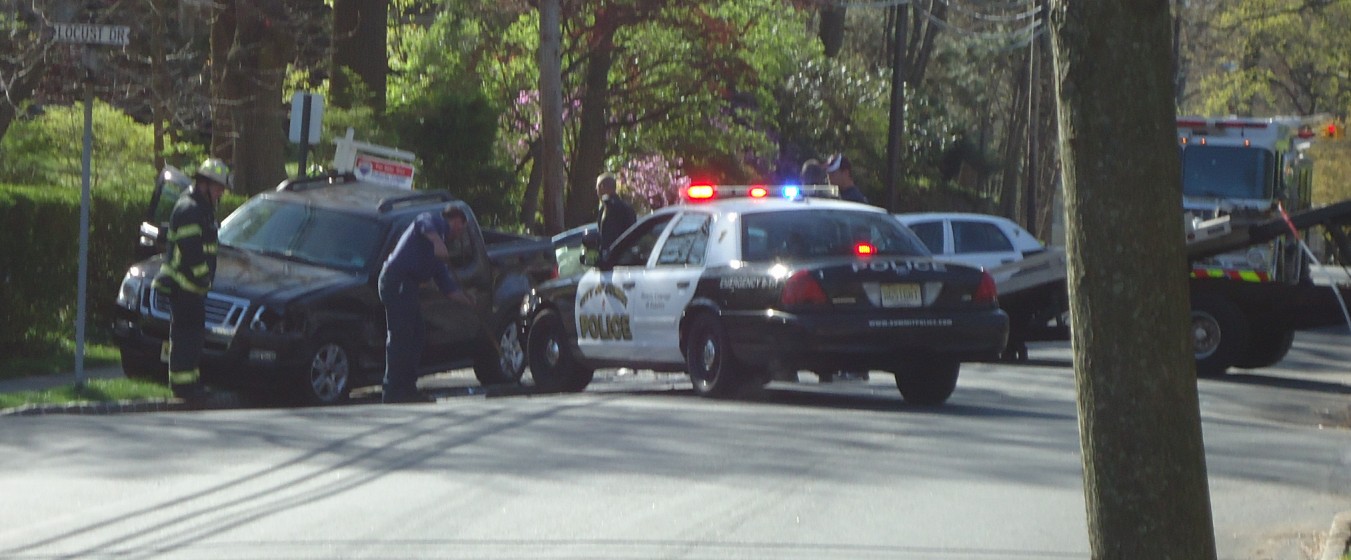
Police at a car accident scene involving an uninsured driver

Key Takeaways

  • First-offense fines range from $50 to $1,500, plus possible license suspension.
  • You may need an SR-22 filing, raising your premiums for 3 to 5 years.
  • Cause a crash while uninsured and you can be sued and pay out of pocket.
  • “No pay, no play” laws can limit what uninsured drivers recover, even when not at fault.

What Are the Penalties for Driving Without Insurance?

Penalties escalate fast. A first offense typically brings a fine of $50 to $1,500 and a 30-to-90-day license suspension; repeat offenses can cost $500 to $5,000 or more (MoneyGeek, 2026). Many states also require an SR-22 certificate to reinstate your license.

Can Your License Be Suspended or Car Impounded?

Yes to both. Expect 30 to 90 days of suspension for a first offense and longer for repeats. States like California and Michigan authorize immediate impoundment when you can’t show proof of insurance — and you’ll pay towing ($100–$300), daily storage ($20–$50), and release fees before getting your car back.

What Happens If You Cause an Accident While Uninsured?

This is the worst case. On top of the standard penalties, you become personally responsible for the other driver’s injuries and property damage — potentially tens or hundreds of thousands of dollars. The other driver’s insurer can sue you directly, and in serious cases this can lead to overwhelming debt.

What If You’re Uninsured but the Crash Wasn’t Your Fault?

You can still face penalties for driving uninsured. Worse, several states — including California, Michigan, and New Jersey — have “no pay, no play” laws that limit an uninsured driver’s ability to recover non-economic damages like pain and suffering, even when the other driver caused the crash. Exceptions sometimes apply, such as a drunk at-fault driver.

Were you hit by an uninsured driver? A free attorney review can explain how to recover.

How Can You Get Car Insurance After a Lapse?

A coverage lapse makes you a higher-risk driver in insurers’ eyes, which raises premiums, but you can still get insured. Shop around, since prices for high-risk drivers vary widely between companies. Some states require an SR-22 — a certificate your insurer files proving you carry the state minimum — after a lapse or violation.

The sooner you reinstate coverage, the faster your record improves. Continuous insurance for six months to a year usually starts bringing rates back down, so getting covered again quickly is both a legal fix and a financial one.

What Should You Do Immediately If You’re Caught Uninsured?

If you’re cited for driving without insurance, act fast to limit the damage. The steps you take in the following days affect penalties, reinstatement, and future rates:

  • Get insured right away to stop the violation from continuing.
  • Comply with any court dates or fines — ignoring them worsens penalties.
  • File an SR-22 if your state requires one.
  • Address any license suspension or registration hold promptly.
  • Keep proof of your new coverage in the car going forward.

Driving uninsured is a gamble that rarely pays off — the cost of a single at-fault crash while uninsured dwarfs years of premiums.

How Long Does an Insurance Lapse Affect You?

A lapse typically follows you for several years. Insurers view any gap in coverage as a risk marker, so premiums stay elevated for a while — often a few years — even after you reinstate. The good news is the impact fades: maintaining continuous coverage steadily rebuilds your standing.

The practical lesson is to never let coverage lapse in the first place if you can avoid it. If money is tight, dropping to a cheaper policy or higher deductible is almost always better than going uninsured, which risks fines, suspension, and catastrophic liability.

Does Insurance Follow the Car or the Driver?

Generally, car insurance follows the vehicle, not the driver — so if you lend your car to someone who crashes it, your policy is usually the one on the hook. This is why driving uninsured is risky even in someone else’s car, and why you should know a borrowed vehicle is insured before you drive it.

There are exceptions, and rules vary by state and policy, but the core lesson holds: never assume you’re covered in a car whose insurance status you don’t know.

Frequently Asked Questions

How much is the fine for driving without insurance?

First-offense fines typically range from $50 to $1,500 depending on the state. Repeat offenses cost $500 to $5,000 or more, plus court costs and reinstatement fees. Some states add jail time for repeat offenders.

What is an SR-22?

An SR-22 is a certificate your insurer files with the state to prove you carry the required coverage, often required after driving uninsured. It typically keeps your premiums higher for three to five years.

Can I sue an uninsured driver who hit me?

Yes, but collecting is hard if they have no assets. Your own uninsured motorist (UM) coverage is usually the more reliable path to compensation when an uninsured driver causes your crash.

Bottom line: driving without insurance risks fines, license suspension, an SR-22 requirement, and personal liability for an entire crash. Even a bare-bones policy is far cheaper than any of those outcomes, so getting — and keeping — continuous coverage is always the smarter financial choice.

Conclusion

Driving without insurance risks fines, suspension, impoundment, and — if you cause a crash — personal liability for everything. Even innocent uninsured drivers can lose the right to certain damages. The cheapest protection is almost always carrying at least your state’s minimum coverage.

Related Guides

Car Insurance Requirements by State: 2026 Minimums Explained

A US map with insurance coverage icons symbolizing state minimum requirements

Almost every state requires drivers to carry liability insurance, usually written as three numbers like 25/50/25 (NerdWallet, 2026). New Hampshire is the only state without a blanket requirement. Several states raised their minimums for 2026, so your old coverage may no longer be enough.

Signing a car insurance policy document at a desk

Key Takeaways

  • Minimum liability is written as three numbers: injury per person / per accident / property damage.
  • The most common minimum is 25/50/25, but limits vary widely by state.
  • California raised its minimum to 30/60/15 in 2026 — its first increase since 1967.
  • Minimum coverage often isn’t enough to cover a serious accident.

What Do the Three Numbers Mean?

State minimums are written as three numbers, for example 25/50/25. This means your insurance pays up to $25,000 per injured person, $50,000 total per accident, and $25,000 for property damage. The first two cover the other person’s injuries; the third covers their vehicle and property.

How Much Coverage Does Each State Require?

Requirements vary widely. The most common minimum is 25/50/25, but some states differ significantly (MoneyGeek, 2026). Alaska, Maine, and North Carolina sit higher at 50/100/25, while Florida uses a unique $10,000 PIP + $10,000 property damage structure with no required bodily injury coverage.

What Changed for 2026?

Seven states raised their minimums for 2025–2026 — more changes than in the prior decade combined (MoneyGeek, 2026). Key updates:

  • California: raised to 30/60/15 (first increase since 1967)
  • New Jersey: raised to 35/70/25 on Jan. 1, 2026
  • Massachusetts: raised to 25/50/30
  • Hawaii: raised to 40/80/20

Is the State Minimum Enough?

Often not. State minimums can be far lower than the real cost of a serious crash, and liability coverage doesn’t pay for damage to your own car. A common recommendation is to carry enough liability insurance to cover your net worth, so a lawsuit can’t reach your savings or home.

Hit by a driver with only minimum coverage? A free attorney review can explain your options.

How Much Extra Coverage Should You Consider?

State minimums are a legal floor, not a safe target. A single serious injury can generate medical bills well beyond a $25,000 or $50,000 minimum, and once the at-fault driver’s coverage runs out, the injured party can come after that driver’s personal assets. Carrying higher limits protects your finances, not just your compliance.

Experts often suggest liability limits of at least 100/300/100 — $100,000 per person, $300,000 per accident, and $100,000 in property damage. Adding uninsured/underinsured motorist coverage and higher limits usually costs far less than people expect relative to the protection gained.

What Optional Coverages Are Worth Adding?

Beyond the required liability, several optional coverages fill important gaps. Which ones make sense depends on your car’s value and your risk tolerance:

  • Collision: pays for your own car’s damage in a crash.
  • Comprehensive: covers theft, weather, and non-collision damage.
  • Uninsured/Underinsured Motorist: protects you against drivers with too little or no coverage.
  • Medical Payments / PIP: covers your own medical bills regardless of fault.
  • Gap insurance: covers the difference if you owe more than the car is worth.

Review your coverage annually, especially after buying a car, moving states, or a major life change — the right mix shifts over time.

How Do Minimums Differ for High-Risk or New Drivers?

The state minimum is the same regardless of your record, but high-risk drivers — those with tickets, at-fault crashes, or a coverage lapse — pay far more for that same coverage. New drivers face similar surcharges because they lack a track record. In both cases, some states or insurers require an SR-22 filing to prove minimum coverage is in place.

If you fall into a higher-risk group, shopping multiple insurers matters even more, since the price for identical minimum coverage can vary dramatically. Maintaining continuous coverage and a clean record is the fastest way to move back into standard rates over time.

How Often Should You Review Your Coverage?

At least once a year, and after any major change — buying a car, moving to a new state, adding a driver, or a shift in your finances. State requirements and your own needs both change over time, and a policy that fit two years ago may now leave dangerous gaps.

An annual review is also a chance to compare quotes. Loyalty rarely earns the best rate, so checking a few insurers each year keeps you both properly covered and fairly priced.

Frequently Asked Questions

Which state doesn’t require car insurance?

New Hampshire is the only state without a blanket insurance requirement, but drivers must still prove financial responsibility and remain personally liable for any damage they cause. Most drivers there still buy insurance to protect themselves.

What does 25/50/25 mean?

It’s the standard way to write coverage limits: $25,000 for injury to one person, $50,000 total per accident, and $25,000 for property damage. It’s the most common state minimum, though many experts recommend buying more.

Did car insurance minimums change in 2026?

Yes. Several states raised minimums for 2026, including New Jersey (35/70/25) and California (30/60/15). Check your renewal documents to confirm your policy still meets your state’s current requirement.

Bottom line: your state’s minimum keeps you legal, but it rarely keeps you safe from a serious crash’s costs. Treat the minimum as a starting point, add uninsured-motorist protection, and consider higher liability limits — the extra premium is small next to the assets you’re protecting.

Conclusion

Car insurance minimums protect other people, not your own car, and they vary widely by state. With several 2026 increases now in effect, confirm your coverage meets your state’s current rule — and consider buying more than the minimum to truly protect your finances.

Related Guides

Should You Accept the First Car Accident Settlement Offer?

A hand hesitating over a settlement check symbolizing whether to accept an offer

The insurer’s first settlement offer is almost always low — by design. It’s a business decision calibrated to close your case for the least money you’ll accept (Nolo, 2026). In most cases, you can — and should — evaluate it carefully before saying yes.

US dollar bill representing a car accident settlement offer

Key Takeaways

  • First offers are almost always below your claim’s real value.
  • Once you sign a release and settle, you can’t ask for more later.
  • Rejecting an offer won’t hurt your claim — it starts the negotiation.
  • Don’t settle before reaching maximum medical improvement.

Why Is the First Offer So Low?

Adjusters don’t work for you — their job is to settle for as little as possible to protect the insurer’s bottom line. The first offer is a starting point, not a fair valuation. It’s usually made early, before you know the full cost of your injuries, in the hope you’ll accept quickly and close the door on future recovery.

What’s the Risk of Settling Too Early?

Settlements are permanent. Before you get paid, you sign a “release” giving up your right to any further claim. If your injuries turn out worse than expected, you can’t reopen the case. That’s why you shouldn’t settle until your doctor confirms you’ve reached maximum medical improvement.

What Pressure Tactics Should You Watch For?

Adjusters may imply the offer is time-limited, or that consulting a lawyer will make it disappear. This is a pressure tactic, not a legal reality. While an offer can technically be withdrawn, it’s extremely unlikely. Don’t let artificial urgency rush you into a low settlement.

Can You Reject the Offer Without Risk?

Yes. Rejecting a low offer won’t hurt your claim — in fact, the insurer usually expects a counteroffer. Declining the first number simply begins negotiations. You can submit a counteroffer with supporting documentation, continue negotiating, or file a lawsuit if a fair deal can’t be reached.

When Might the First Offer Be Fair?

Occasionally. If liability is clear, injuries are minor, and all treatment is complete, a first offer may be close to fair. Even then, review the terms carefully and confirm that all current and future damages are covered before you accept and sign the release.

Got a settlement offer that feels low? A free attorney review can tell you if it’s fair before you sign.

How Should You Respond to a Low First Offer?

Don’t accept it, and don’t get angry — respond in writing with a reasoned counteroffer. Point to your documentation: medical bills, lost wages, and a fair pain-and-suffering figure. A calm, evidence-based reply signals that you know your claim’s value and won’t be pressured into an early lowball.

Ask the adjuster to justify their number too. Often they can’t support a low offer against solid documentation, which moves the negotiation toward a fairer figure.

How Do You Know What Your Claim Is Really Worth?

Start by adding up your economic damages — all medical bills, future treatment, lost wages, and property damage. Then account for non-economic damages like pain and suffering, which adjusters often estimate using a multiplier on your medical costs based on severity.

Your state’s fault rules can adjust the total if you share blame. For serious injuries, a free consultation with a contingency-fee attorney gives you an experienced read on value — and since they’re paid only if you win, there’s no upfront risk to getting that opinion.

What Are the Risks of Rejecting an Offer?

Rejecting a first offer is low-risk: it simply continues the negotiation, and insurers expect a counteroffer. The one thing to watch is your state’s statute of limitations — you must settle or file suit before it expires, so don’t let negotiations drag past that deadline.

The far bigger risk lies in accepting too soon. Once you sign a release, the claim is closed for good, even if new symptoms or costs appear later. When in doubt, a free attorney consultation can tell you whether an offer is fair before you decide.

Frequently Asked Questions

Will rejecting the first offer hurt my claim?

No. Rejecting a low offer won’t damage your claim. Insurers typically expect a counteroffer and view the first offer as the start of negotiations. You retain the right to negotiate for a fairer amount after declining.

Can the insurer take the offer back if I say no?

It’s technically possible but extremely unlikely. Adjusters sometimes imply the offer will vanish to pressure you, but this is rarely real. Don’t let that fear push you into accepting a settlement that undervalues your claim.

When should I accept a settlement offer?

Only after reaching maximum medical improvement and confirming the offer covers all current and future costs. Because settlements are final once you sign the release, never accept until you understand the full extent of your injuries.

Bottom line: the first offer is a starting point, not a fair conclusion. Rejecting it simply keeps the conversation going, while accepting too soon can close your claim forever. Value your case from your documented costs, counter with evidence, and get a free legal read before you sign anything serious.

Finally, keep every offer and counteroffer in writing, along with dates and the adjuster’s name. This running record protects you if the insurer later changes its story, and it makes the eventual fair settlement far easier to finalize without disputes over what was said.

Conclusion

The first offer is rarely the best offer. Because it’s designed to close your case cheaply — and because settling is permanent — evaluate it carefully, wait until you’ve reached maximum medical improvement, and don’t fear rejecting a lowball figure. For serious claims, a free legal consultation can help you respond.

Related Guides

How to Write a Car Accident Demand Letter (With Key Sections)

A formal demand letter document with a pen and car key on a professional desk

A demand letter is your formal settlement request to the at-fault driver’s insurer — it lays out the facts, your injuries, your losses, and a specific dollar demand (FindLaw, 2026). Done well, it signals you’re serious and ready to file a lawsuit if needed.

Handshake representing a car accident settlement reached after a demand letter

Key Takeaways

  • Send the demand letter only after reaching maximum medical improvement.
  • Include the facts, fault, injuries, itemized damages, and a specific demand.
  • Ask for slightly more than you expect, to leave room to negotiate.
  • Give a 30-day deadline and send it by certified mail.

When Should You Send a Demand Letter?

Send it only after you’ve reached maximum medical improvement — the point where your doctor confirms your recovery is stable (AllLaw/Nolo, 2026). Sending too early risks underestimating your total costs, and once you settle, you can’t reopen the claim.

What Should a Demand Letter Include?

A strong demand letter has a clear structure. Include each of these sections:

  • Claim details — the insurer’s file/claim number, date, and parties
  • Statement of facts — how the crash happened, backed by the police report
  • Statement of fault — why the other driver was negligent (cite any citation)
  • Injuries and treatment — detailed, using proper medical terms
  • Itemized damages — medical bills, lost wages, property damage
  • Pain and suffering — how the injuries affected your daily life
  • A specific demand — the dollar amount you’ll accept
  • A deadline — typically 30 days to respond

How Much Should You Demand?

Ask for more than you think the claim is worth — but don’t exaggerate wildly. A reasonable cushion gives you room to negotiate down to a fair figure when the adjuster counteroffers. Inflated, unsupported numbers hurt your credibility, so back every dollar with documentation.

What Documents Should You Attach?

Attach proof for every claim you make: medical bills and records, repair estimates, pay stubs showing lost income, the police report, and photos of the damage and injuries. Send the letter by certified mail so you have confirmation it was delivered.

Not sure what your demand should be? A free attorney review can help you value your claim.

What Common Mistakes Weaken a Demand Letter?

A demand letter is your case on paper, so avoidable errors can cost you leverage. The most frequent mistakes make a claim look unprepared or exaggerated, which invites a lowball response:

  • Demanding a figure with no supporting documentation.
  • Leaving out lost wages or future medical costs.
  • Being emotional or threatening instead of factual.
  • Understating your injuries or accepting blame in the wording.
  • Setting no response deadline, which lets the insurer stall.

Keep the tone professional and let the evidence do the work. A calm, itemized, well-documented letter signals that you understand your claim’s value and are ready to negotiate seriously.

What Happens After You Send the Demand Letter?

Once the insurer receives your demand, an adjuster reviews it and typically responds within a few weeks. You’ll usually get one of three replies: acceptance, a counteroffer, or a denial with reasons. Most claims land on a counteroffer, which opens negotiation.

Expect back-and-forth — your first demand is intentionally higher than your minimum, and their first offer is lower. The goal is to reach a fair middle. Stay patient, respond with evidence, and don’t accept a figure that ignores your full documented costs.

Should You Write the Demand Letter Yourself?

For a clear claim with modest injuries, many people write an effective demand letter themselves — the key is organization and complete documentation, not legal jargon. Stick to facts, itemize your damages, and attach the supporting records.

For serious injuries or disputed fault, having an attorney draft the letter can add weight and credibility, and their experience with case values often results in a stronger opening demand. Since most work on contingency, it costs nothing upfront to get that help.

Frequently Asked Questions

Do I need a lawyer to write a demand letter?

Not necessarily. For minor, vehicle-damage-only claims, many people write their own. For injury claims or disputed fault, a lawyer’s demand letter often carries more weight and helps value pain and suffering accurately. Most injury attorneys offer free consultations.

How long until the insurer responds?

It’s standard to give the insurer 30 days to respond. Many reply within 30 to 45 days, often with a counteroffer rather than acceptance. If they don’t respond, follow up with the adjuster or their supervisor to keep negotiations moving.

What happens after I send the demand letter?

The insurer will usually accept, request more information, deny, or (most commonly) counteroffer with a lower amount. The demand letter starts the negotiation — expect some back-and-forth before reaching a fair settlement figure.

Bottom line: a demand letter is your entire case distilled onto a page, so make it factual, itemized, and fully documented. Set a response deadline, keep the tone professional, and let the evidence justify your number. A strong letter frames the whole negotiation in your favor from the start.

How Long Should You Wait for a Response?

Give the insurer a reasonable but firm window — commonly two to three weeks — and state that deadline in the letter itself. If they don’t respond, follow up in writing and note the date. A documented follow-up shows good faith and builds a record if the dispute later escalates.

Persistent silence or repeated delays can be a sign the insurer is hoping you’ll give up. At that point, escalating to a supervisor, filing a complaint with your state insurance department, or consulting an attorney usually restarts the conversation quickly.

Conclusion

A well-structured demand letter can set the tone for your entire settlement. Wait until you’ve reached maximum medical improvement, document every loss, make a specific demand with room to negotiate, and set a clear deadline. For serious or disputed claims, a free legal consultation is worth considering.

Related Guides

What Is Comparative Fault in a Car Accident?

A balance scale weighing two cars symbolizing shared fault percentages

Comparative fault decides how much you can recover when you share blame for a crash. Your state uses one of four systems, and the differences are huge — in five U.S. jurisdictions, being just 1% at fault can bar you from recovering anything (Justia, 2026).

Courthouse representing how comparative fault rules decide car accident claims

Key Takeaways

  • Comparative fault reduces your payout by your share of blame.
  • The U.S. uses four systems: pure comparative, 50% bar, 51% bar, and contributory.
  • In Alabama, Maryland, North Carolina, Virginia, and D.C., 1% fault bars recovery.
  • The gap between 50% and 51% at fault can mean the difference between a payout and zero.

What Does Comparative Fault Mean?

Comparative fault (or comparative negligence) is the legal rule that divides blame between drivers and reduces your compensation by your share. If you’re 30% at fault and your damages are $100,000, you’d typically recover $70,000. The exact rules depend on your state.

What Are the Four Fault Systems?

U.S. states use one of four negligence systems (FindLaw, 2026):

  • Pure comparative: you recover even if 99% at fault, minus your share (e.g., California, New York)
  • Modified — 50% bar: no recovery if you’re 50% or more at fault (e.g., Georgia, Colorado)
  • Modified — 51% bar: no recovery if you’re more than 50% at fault — the most common rule (e.g., Texas, Illinois)
  • Contributory negligence: 1% fault bars recovery entirely (Alabama, Maryland, North Carolina, Virginia, D.C.)

How Does the Math Work?

In every comparative system, your recovery drops by your fault percentage. In Texas, if you’re 40% responsible, you can recover 60% of your damages. The systems only diverge at the threshold: in a 50%-bar state, being exactly 50% at fault means zero; in a 51%-bar state, 50% still pays. One percentage point can erase your entire claim.

Why Florida’s 2023 Change Matters

Florida shows how these rules shift. In March 2023, House Bill 837 replaced Florida’s pure comparative system with a modified 51% bar — now, a driver more than 50% at fault recovers nothing. This is why you should always confirm your state’s current rule rather than rely on older guides.

Who Decides Your Fault Percentage?

Insurers make the first determination when reviewing the crash. Because so much money rides on the percentage, they often try to shift more blame onto you to pay less. If the parties can’t agree, a judge or jury decides based on the evidence. Strong documentation of the other driver’s fault is your best protection.

Is the insurer blaming you to cut your payout? A free attorney review can challenge the fault split.

How Can You Protect Yourself Under Comparative Fault?

Since your fault percentage directly cuts your payout, protecting it starts at the scene. Never admit fault, even casually, and gather evidence that supports your version — photos, witness contacts, and a dashcam clip if you have one. Every point of fault shifted onto you can cost real money.

When the insurer proposes a fault split, treat it as a starting position, not a verdict. If you disagree, submit contradicting evidence and ask for a review. In higher-value cases, an attorney can be worth far more than their fee by arguing your fault percentage down.

Why Does Your State’s Fault Rule Matter So Much?

The same crash can produce wildly different outcomes depending on your state’s rule. Under pure comparative negligence, you can recover even if you’re 99% at fault (minus your share). Under modified comparative negligence, you recover only if you’re below 50% or 51% at fault. And in a few strict contributory-negligence states, being even 1% at fault bars recovery entirely.

Knowing which rule applies where you live tells you how hard to fight over the fault percentage — and how much is genuinely at stake in that negotiation.

How Do You Prove You Were Less at Fault?

Evidence wins fault disputes. The strongest proof includes the police report, scene and damage photos, independent witness statements, and any dashcam footage. Traffic laws matter too — showing the other driver violated a rule (running a light, illegal turn) shifts fault toward them.

Present this evidence clearly when you dispute a fault split, and ask the insurer to justify its allocation. Because each percentage point can move thousands of dollars, a well-documented challenge is almost always worth the effort.

Frequently Asked Questions

Which states use contributory negligence?

Only five jurisdictions use the strict contributory negligence rule: Alabama, Maryland, North Carolina, Virginia, and Washington, D.C. In these places, being even 1% at fault can bar you from recovering any compensation, making clear fault evidence essential.

What’s the difference between the 50% and 51% bar?

In a 50% bar state, you recover nothing if you’re 50% or more at fault. In a 51% bar state, you can be exactly 50% at fault and still recover. That single percentage point is the difference between a reduced payout and zero.

Can I recover if I was partly at fault?

In most states, yes — your award is just reduced by your share of blame. The exception is the five contributory-negligence jurisdictions, where any fault can bar recovery. Check your state’s rule, since it determines whether partial fault costs you some money or all of it.

Bottom line: comparative fault means the percentage assigned to you is money, plain and simple. Learn your state’s rule, protect yourself at the scene, and never accept an unfair fault split without challenging it with evidence. In higher-value cases, the fault percentage is usually the fight worth having.

Conclusion

Comparative fault can quietly decide whether you recover full damages, partial, or nothing at all. Because the rules vary so much — and change over time, as Florida shows — confirm your state’s current system and document the other driver’s fault carefully. When fault is disputed, a free legal consultation can protect your recovery.

Related Guides

Whiplash After a Car Accident: Symptoms, Timeline & Settlements

A doctor examining a patient's neck in a clinic, professional medical setting, no distress

Whiplash symptoms often don’t appear until 24 to 72 hours after a crash, masked by adrenaline in the moment (Morgan & Morgan, 2025). That delay is dangerous — many people tell an insurer they feel “fine” before the pain sets in, which can hurt their claim.

Medical check-up for whiplash symptoms after a car accident

Key Takeaways

  • Whiplash symptoms can be delayed 24–72 hours after the crash.
  • See a doctor immediately, even if you feel fine — it protects your health and claim.
  • Whiplash can occur in low-speed crashes; severity isn’t tied to impact speed.
  • Mild whiplash often settles for $10,000–$25,000; severe cases can exceed $100,000.

What Is Whiplash and How Does It Happen?

Whiplash is a soft-tissue neck injury caused when the head snaps suddenly backward and forward. It’s most common in rear-end collisions. Crucially, it can happen even in low-speed crashes — the force doesn’t have to be severe to strain the neck’s muscles, ligaments, and nerves.

What Are the Symptoms of Whiplash?

Common symptoms include neck pain and stiffness, headaches at the base of the skull, shoulder pain, and reduced range of motion. Some people also feel dizziness or tingling in the arms. Delayed symptoms — memory issues, fatigue, and trouble concentrating — can appear days later.

Seek emergency care immediately for red flags like numbness, severe headaches, vision changes, or difficulty moving your limbs.

Why Should You See a Doctor Right Away?

See a doctor immediately, even if you feel fine. Early medical records link your injury directly to the crash, which is critical for your claim. Insurers often argue that any delay in treatment means the injury isn’t serious — prompt care removes that argument.

How Long Does Whiplash Take to Heal?

Most mild cases heal within a few days to a few weeks. More severe whiplash can last months or become a chronic pain condition lasting years. Following your treatment plan and attending every appointment matters — gaps in care can both slow recovery and weaken your claim.

How Much Is a Whiplash Settlement Worth?

Values vary widely by severity and documentation. Mild cases often settle for $10,000–$25,000, while severe cases can exceed $100,000. Because whiplash doesn’t show on X-rays, insurers often label it “soft tissue” and offer low. Thorough medical records are your best leverage.

Was your whiplash claim undervalued? A free attorney review can tell you what it’s really worth.

How Do You Prove a Whiplash Claim?

Whiplash is a soft-tissue injury that doesn’t always show on standard imaging, so insurers scrutinize these claims closely. The strongest proof is a clear, consistent medical record: prompt diagnosis, a documented treatment plan, and steady follow-up. Gaps in care are the first thing an adjuster uses to argue the injury wasn’t serious.

Keep a symptom journal noting pain levels, stiffness, headaches, and how the injury limits work and daily tasks. Combined with your doctor’s notes, this record connects the injury directly to the crash and supports the value of your claim.

What Mistakes Lower a Whiplash Settlement?

Even valid whiplash claims lose value through avoidable mistakes. The most damaging ones are easy to sidestep once you know them:

  • Delaying treatment, which lets insurers question whether the crash caused the injury.
  • Missing appointments or stopping care too early.
  • Posting active photos on social media that contradict your reported pain.
  • Accepting a quick offer before you know your recovery timeline.
  • Failing to document lost wages and out-of-pocket costs.

Because whiplash recovery varies from weeks to months, settling before you reach maximum medical improvement is the single most common way people leave money on the table.

Can You Get a Settlement for Whiplash Without a Lawyer?

Yes, for a straightforward whiplash claim with clear fault and full recovery, many people negotiate directly with the insurer. The key is solid documentation and patience — know your medical costs, lost wages, and a reasonable pain-and-suffering figure before you make a demand.

That said, if symptoms linger, fault is disputed, or the insurer lowballs you, a lawyer’s experience often recovers more than their fee costs. Because most work on contingency, a free consultation carries no risk and helps you gauge whether your offer is fair.

How Long Should You Wait Before Settling Whiplash?

Wait until you reach maximum medical improvement — the point where your doctor confirms your condition has stabilized. For whiplash this can take weeks to several months. Settling earlier risks accepting a figure that ignores lingering pain or the need for further treatment, and once you sign a release, you can’t reopen the claim for the same injury.

Frequently Asked Questions

Can whiplash appear days after an accident?

Yes. Whiplash symptoms are frequently delayed 24 to 72 hours, and sometimes longer. Adrenaline masks pain right after the crash. This is exactly why you should see a doctor immediately, even if you feel fine at the scene.

Can you get whiplash in a low-speed crash?

Yes. Whiplash severity isn’t tied to crash speed. Even a low-speed rear-end collision can jerk the neck hard enough to cause injury. Don’t dismiss neck pain just because the impact felt minor.

Why do insurers undervalue whiplash claims?

Because whiplash doesn’t appear on standard X-rays, insurers classify it as a minor soft-tissue injury and apply low settlement formulas. In reality it can cause months of treatment and chronic pain. Strong documentation counters these low offers.

Bottom line: whiplash is a real, compensable injury, but its value rises and falls on documentation. Prompt care, consistent follow-up, and patience until you fully recover are what separate a fair settlement from a lowball offer. Treat your medical record as the foundation of the entire claim.

Conclusion

Whiplash is easy to underestimate — by victims and insurers alike. Because symptoms can surface days later, the safest move is immediate medical care and detailed records. If your injury lingers or your offer seems low, a free legal consultation is worth considering.

Related Guides

Delayed Injuries After a Car Accident: What to Watch For

A person holding their shoulder consulting a doctor days after an incident, clean clinic

Not all car accident injuries show up right away. Adrenaline can mask serious damage for hours or even days, and some symptoms surface 24 to 72 hours after the crash (Morgan & Morgan, 2025). Knowing what to watch for can protect both your health and your claim.

Car accident scene where delayed injuries may appear hours or days later

Key Takeaways

  • Injuries like whiplash, concussions, and internal bleeding can be delayed.
  • Symptoms may appear 24–72 hours later — or longer.
  • See a doctor immediately after any crash, even if you feel fine.
  • Delayed care gives insurers a reason to dispute that the crash caused your injury.

Why Do Some Injuries Take Time to Appear?

After a crash, your body floods with adrenaline and endorphins that mask pain. Once those wear off — often hours later — the real symptoms emerge. Inflammation from soft-tissue damage also builds over time, so an injury that felt minor can worsen significantly within a day or two.

What Delayed Symptoms Should You Watch For?

Several serious injuries are known for delayed onset. Watch closely in the days after a crash for any of these warning signs:

  • Neck or shoulder pain — a sign of whiplash
  • Headaches — can indicate a concussion or neck injury
  • Abdominal pain or swelling — a possible sign of internal bleeding (seek care immediately)
  • Numbness or tingling — may point to nerve or spinal damage
  • Changes in mood, memory, or concentration — possible signs of a brain injury

Which Delayed Symptoms Are Emergencies?

Some symptoms require emergency care right away. Abdominal pain or swelling can signal internal bleeding, while severe headaches, confusion, slurred speech, or loss of consciousness can indicate a brain injury. Never wait these out — go to an emergency room immediately.

How Do Delayed Injuries Affect Your Claim?

Delayed treatment is a common reason insurers reduce or deny claims. They argue that if you waited to see a doctor, the injury must not be serious — or wasn’t caused by the crash. Getting prompt medical care, and keeping a symptom journal, removes that argument and ties your injury to the accident.

Developed symptoms days after your crash? A free attorney review can protect your right to compensation.

How Soon Should You See a Doctor After a Crash?

As soon as possible — ideally within 24 to 72 hours, even if you feel fine. Adrenaline and shock can mask pain for hours or days, and conditions like concussions, internal bleeding, and soft-tissue damage often reveal themselves late. A prompt medical visit protects both your health and your claim.

An early exam creates a medical record that ties any later symptoms to the accident. Without it, an insurer can argue a delayed injury came from something unrelated, which is one of the most common reasons these claims get reduced or denied.

How Do You Protect a Claim With Delayed Injuries?

Delayed injuries are legitimate, but they require careful documentation because insurers treat late-reported symptoms with suspicion. Take these steps to keep your claim strong:

  • Get evaluated promptly and describe every symptom, even minor ones.
  • Follow the full treatment plan and attend every follow-up.
  • Keep a dated journal of symptoms as they develop.
  • Save all medical records, bills, and referral notes.
  • Avoid signing any settlement until your condition is fully understood.

Remember that your state’s statute of limitations still applies, but insurers also expect prompt notice — report the crash quickly and update your insurer as new symptoms appear.

Are Delayed Injuries Harder to Claim?

They can be, simply because a time gap between the crash and the symptoms gives insurers room to argue the injury came from something else. But delayed injuries are medically well recognized, and a prompt initial exam plus consistent follow-up care overcomes most of that skepticism.

The takeaway is not to panic if symptoms appear days later — it’s common. Instead, see a doctor immediately when they do, describe the crash, and keep every record. A clear medical trail is what turns a delayed-injury claim into a payable one.

What Is the Deadline to Report a Delayed Injury?

Two clocks apply. Your insurer expects prompt notice — often within days — so report the crash right away and update them as symptoms emerge. Separately, your state’s statute of limitations sets the years-long window to file a lawsuit. Reporting early protects coverage; the statute is only a final backstop, so never rely on it as your deadline for telling the insurer about new symptoms.

Frequently Asked Questions

How long after a car accident can injuries appear?

Many delayed injuries surface within 24 to 72 hours, though some take longer. Whiplash, concussions, and soft-tissue damage are especially prone to delayed onset. Watch your symptoms closely for at least a few days after any crash.

Should I see a doctor if I feel fine after a crash?

Yes. Feeling fine doesn’t mean you’re uninjured — adrenaline masks pain. A prompt medical check creates a record linking any later-discovered injury to the accident, which is essential if you need to file a claim.

Can I still file a claim if symptoms appeared later?

Yes, but it’s harder if you delayed treatment. The key is medical documentation connecting the injury to the crash. See a doctor as soon as symptoms appear and keep all records. An attorney can help if the insurer disputes the link.

Bottom line: never dismiss how you feel in the days after a crash. Delayed injuries are common and legitimate, and the people who protect their claims are simply the ones who see a doctor early, describe every symptom, and keep a clear paper trail from the first visit onward.

Conclusion

The most dangerous car accident injuries are sometimes the ones you don’t feel at first. Watch for delayed symptoms in the days after a crash, seek care immediately for any red flags, and document everything. Early action protects both your recovery and your right to compensation.

Related Guides

No-Fault vs At-Fault States: How Car Accident Claims Differ

A US map concept with two cars and a scale of justice symbolizing fault systems

Whether you live in a no-fault or at-fault state decides who pays your medical bills after a crash. About a dozen states use a no-fault system, where your own insurer pays first regardless of blame (TorHoerman Law, 2026). The rest are at-fault states, where the driver who caused the crash pays.

Last updated: July 2026.

Documents representing how car accident fault laws differ across US states

Key Takeaways

  • In no-fault states, your own insurer (PIP) pays first, regardless of blame.
  • In at-fault states, the driver who caused the crash is financially responsible.
  • No-fault states include Florida, Michigan, and New York, among others.
  • Your state’s system shapes how, and against whom, you file your claim.

What Is a No-Fault State?

In a no-fault state, your own insurance pays your medical bills and certain losses after a crash, no matter who caused it. This is handled through Personal Injury Protection (PIP) coverage. The trade-off: your right to sue the other driver is limited unless your injuries meet a serious-injury threshold.

What Is an At-Fault State?

In an at-fault (or “tort”) state, the driver responsible for the crash — and their insurer — pays for the damages. Most U.S. states use this system. You file a claim against the at-fault driver’s policy, and proving who caused the crash becomes central to your recovery.

How Do Comparative Fault Rules Affect Your Payout?

At-fault states further divide by how shared blame is handled. These rules can dramatically change what you recover:

  • Pure comparative negligence: You can recover even if mostly at fault, minus your share (e.g., California).
  • Modified comparative (50%/51% bar): You can’t recover if you’re 50% or 51%+ at fault. Most common rule.
  • Contributory negligence: Being even 1% at fault bars recovery entirely (Alabama, Maryland, North Carolina, Virginia, and Washington D.C.).

Why Does Your State’s System Matter?

Your state’s rules determine who you file against, how much fault matters, and whether you can sue at all. In a strict contributory-negligence state, a small share of blame can wipe out your claim. Knowing your state’s system before you negotiate is essential to protecting your recovery.

Unsure how your state’s fault rules affect your claim? A local attorney can explain it for free.

Which States Are No-Fault?

Twelve states (plus Puerto Rico) use some form of no-fault car insurance, requiring drivers to carry Personal Injury Protection (PIP) that pays their own medical costs regardless of who caused the crash. Here is the full list of no-fault car insurance states:

  • Florida
  • Michigan
  • New York
  • New Jersey
  • Pennsylvania
  • Massachusetts
  • Minnesota
  • North Dakota
  • Kansas
  • Kentucky
  • Hawaii
  • Utah

Three of these — New Jersey, Pennsylvania, and Kentucky — are “choice” no-fault states, letting drivers pick a traditional tort option instead. Every other US state (and Washington D.C.) is an at-fault, or tort, state where the driver who caused the crash pays. Your state’s minimum insurance requirements also flow from this system.

In no-fault states, you generally can only sue the other driver if your injuries meet a “serious injury” threshold or exceed a monetary limit. This is what “no-fault” means in practice: your own PIP pays first, and lawsuits are limited — not eliminated.

How Do You Handle a Claim in Each System?

Your approach changes with the system. In a no-fault state, you typically file with your own insurer first for medical costs, no matter who was to blame. In an at-fault state, you can pursue the other driver’s insurer directly for your injuries and property damage.

Comparative fault adds another layer: if you share blame, your recovery is reduced by your percentage of fault — and in a few strict states, being even slightly at fault can bar recovery entirely. Knowing your state’s exact rules before you negotiate is essential to protecting your payout.

Can You Switch Between Systems if You Cross State Lines?

Your coverage generally follows your policy, but the rules that apply to a crash usually depend on where the accident happened. If you live in an at-fault state and crash in a no-fault state (or vice versa), it can create complications about which rules govern your claim.

Most standard auto policies include out-of-state coverage that adjusts to meet the minimum requirements of the state you’re driving in. Still, if you’re in a serious crash away from home, it’s worth confirming with your insurer — or an attorney — exactly which state’s rules apply to your case.

Does No-Fault Mean You Can’t Sue at All?

No. No-fault limits when you can sue, but it doesn’t eliminate the right entirely. If your injuries meet your state’s “serious injury” threshold or your costs exceed a set dollar amount, you can step outside the no-fault system and pursue the at-fault driver directly for pain and suffering and other damages beyond what PIP covers.

Frequently Asked Questions

Which states are no-fault states?

About a dozen states use a no-fault system, including Florida, Michigan, New York, New Jersey, and Pennsylvania, among others. Each has its own PIP rules and thresholds for when you can step outside the system and sue.

Can I sue in a no-fault state?

Sometimes. No-fault states limit lawsuits, but most allow you to sue the at-fault driver if your injuries are serious enough to meet the state’s threshold — for example, permanent injury or medical costs above a set amount.

What happens if I’m partly at fault?

It depends on your state. In pure comparative states your award is just reduced by your share. In contributory-negligence states like North Carolina, being even 1% at fault can bar recovery entirely. Clear evidence of the other driver’s fault is vital.

What does no-fault state mean?

A no-fault state means your own insurer pays your medical bills through Personal Injury Protection (PIP) after a crash, regardless of who was to blame. In exchange, your right to sue the other driver is limited unless your injuries meet the state’s serious-injury threshold.

Bottom line: your state’s system shapes almost every decision you’ll make — who you file with, whether you can sue, and how much fault costs you. Before you negotiate, confirm whether you’re in a no-fault or at-fault state and what its comparative-fault rule is.

Conclusion

The no-fault vs at-fault distinction shapes your entire claim — who pays, whether you can sue, and how shared blame is treated. Before accepting any offer or admitting any fault, find out which system your state uses. When the rules are strict, professional guidance can make a real difference.

Related Guides