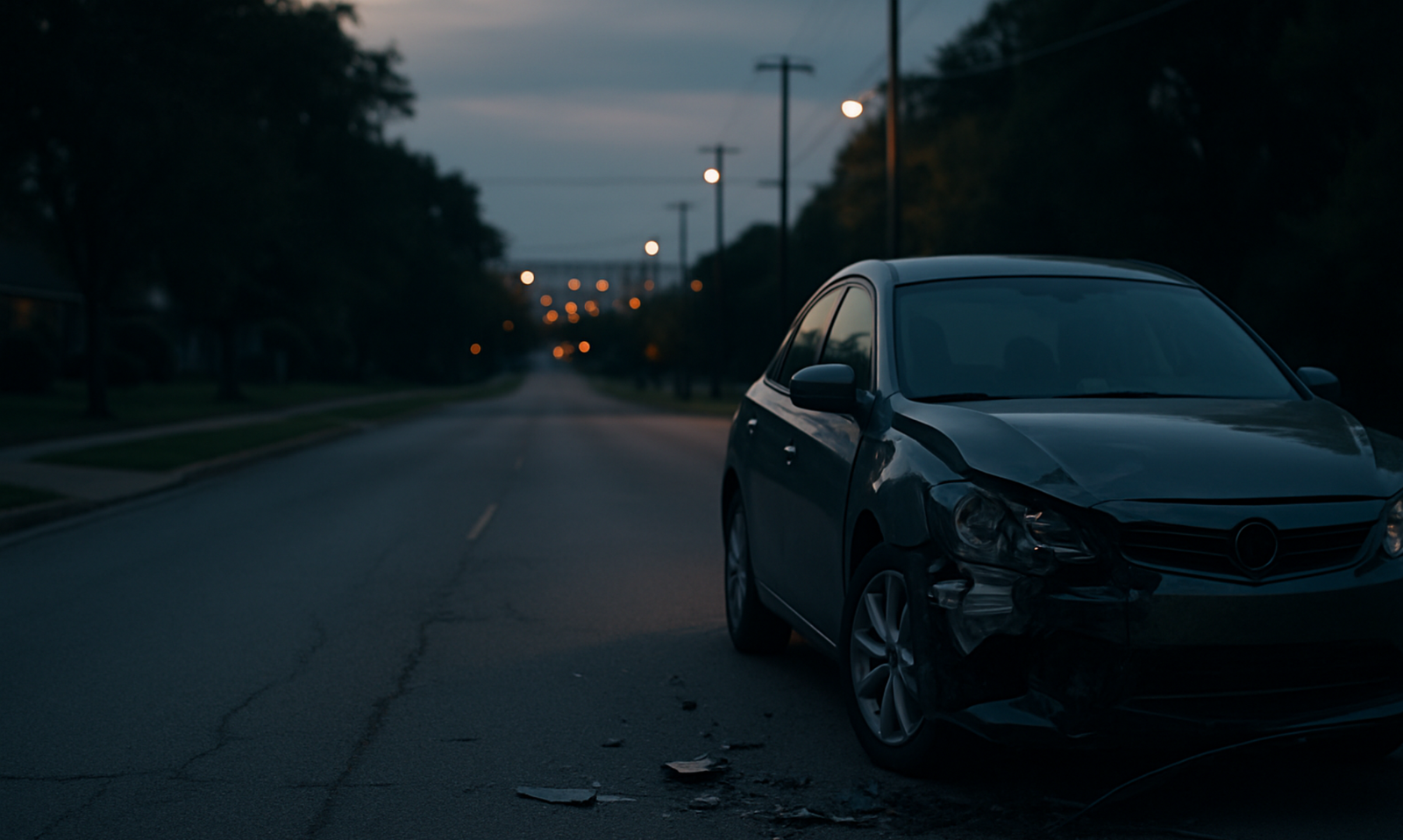

Even when a crash clearly wasn’t your fault, you may still need a lawyer — especially if you were injured or the other insurer disputes liability. For a minor, no-injury accident with a fair offer, you can often handle it yourself. But once injuries or pushback appear, a lawyer usually protects and increases your recovery.
New to this? Start with our complete guide: Car Accident Lawyer: When You Need One, Cost & How to Choose.
Key Takeaways
- Not being at fault doesn’t guarantee a fair payout — the other insurer still tries to pay less.
- Skip the lawyer for a minor, no-injury crash with a fair offer.
- Hire one if you’re injured, liability is disputed, or the offer is low.
- Consultations are free and lawyers work on contingency — no fee unless you win.
Why Would You Need a Lawyer if It Wasn’t Your Fault?
It seems counterintuitive, but the at-fault driver’s insurer isn’t on your side. Their job is to pay as little as possible, so they may dispute how the crash happened, downplay your injuries, or make a low first offer. Being blameless doesn’t stop them from trying to reduce what they owe you.
A lawyer counters these tactics. They document your injuries properly, value the full claim including future costs, and negotiate from experience — which is why even a clear-fault case can benefit from representation when real money is at stake.
When Can You Handle It Yourself?
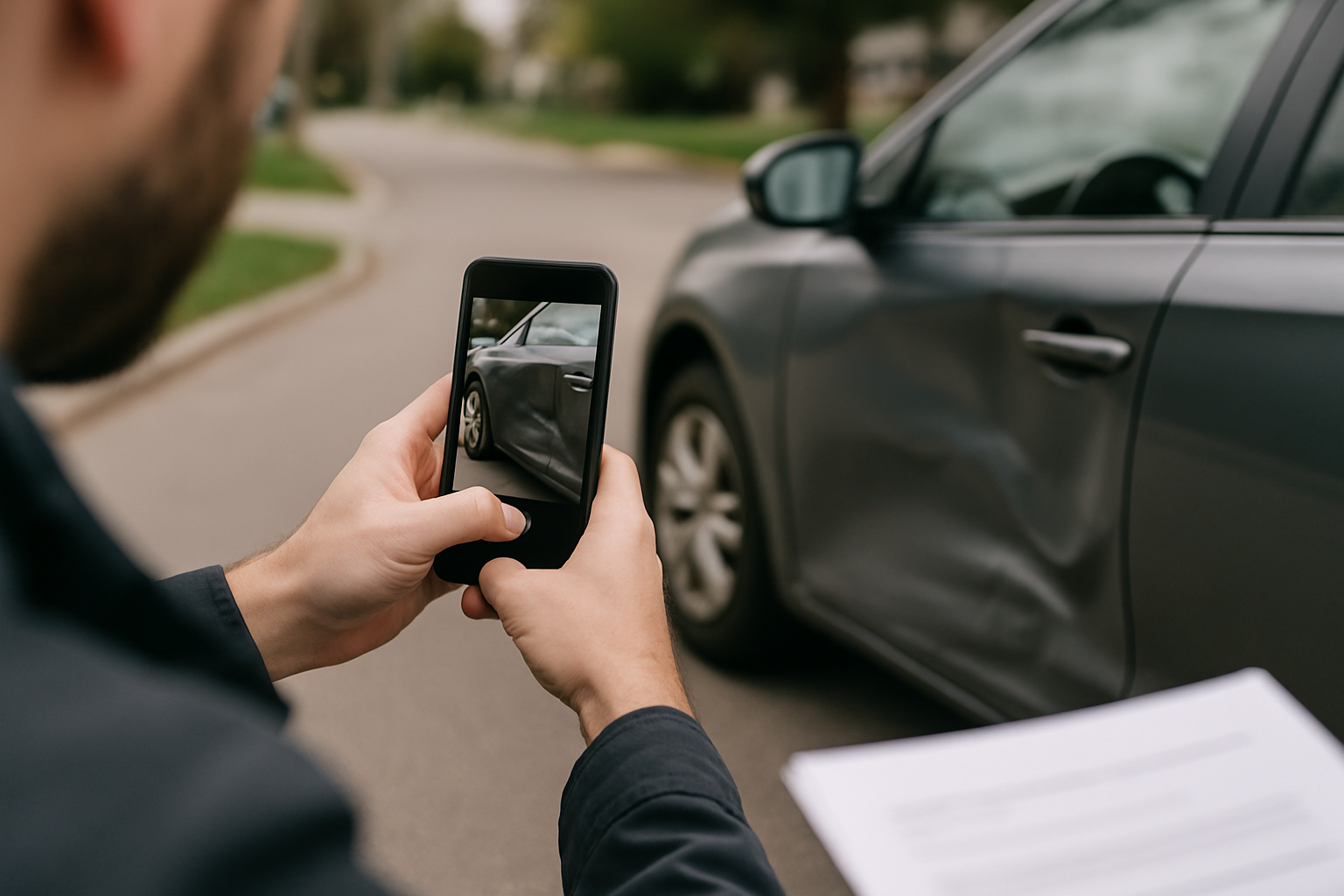
If the accident caused no injuries, fault is obvious, and the insurer’s offer covers your repair and costs, handling it yourself is reasonable. Document everything — photos, the police report, and repair estimates — then negotiate directly and accept a fair figure.
This works best for straightforward property-damage claims. The moment injuries appear or the insurer disputes liability, the calculation shifts toward getting legal advice.
When Should You Definitely Hire a Lawyer?
Certain signs mean representation is worth it, even in a not-at-fault crash. Any one of these can dramatically change your claim’s value or the difficulty of collecting:
- You suffered injuries, especially serious or lasting ones.
- The other insurer disputes or denies their driver’s fault.
- The settlement offer clearly doesn’t cover your costs.
- Multiple vehicles or parties are involved.
- The at-fault driver was uninsured or underinsured.
- You’re being pressured to sign a release quickly.
If any apply, a free consultation carries no risk and often reveals your claim is worth more than the insurer suggests.
Can the Other Driver’s Insurer Still Blame You?
Yes — and this is a key reason to be careful. In comparative-fault states, the other insurer may try to pin part of the blame on you to cut their payout, since every percentage of fault assigned to you reduces what you recover. Even a blameless driver can face this tactic.
A lawyer pushes back with evidence — the police report, photos, and witness statements — to keep fault where it belongs. For more on how blame is split, see our guide on comparative fault.
Does Hiring a Lawyer Cost You Anything Upfront?
No. Car accident lawyers almost always work on contingency, taking a percentage of your settlement only if they win, with no upfront or hourly fees. If they recover nothing, you generally owe no attorney fee, which makes getting advice low-risk.
Because the initial consultation is free too, you can learn what your not-at-fault claim is really worth before deciding. For a full breakdown, see our guide on what a car accident lawyer costs.
Bottom line: a not-at-fault crash doesn’t guarantee a fair payout. Handle a minor, no-injury claim yourself, but bring in a lawyer if you’re injured, fault is disputed, or the offer falls short. With free consultations and contingency fees, the cost of at least asking is low.
What Should You Do After a Not-at-Fault Crash?
Your actions right after the crash protect your claim, even when you’re blameless. Get medical care promptly if you feel any symptoms, since adrenaline can mask injuries for hours or days. Document the scene thoroughly and avoid admitting any fault, even casually.
Then notify your own insurer promptly — most policies require quick notice regardless of fault. Keep everything organized: photos, the police report number, medical records, and expenses. A clean record makes the other insurer far less able to dispute your claim or shift blame.
Can a Lawyer Help if the Other Driver Is Uninsured?
Yes, and this is a situation where legal help often matters most. If the at-fault driver has no insurance, you may need to turn to your own uninsured motorist (UM) coverage — and dealing with your own insurer on a UM claim can be surprisingly adversarial.
A lawyer helps you navigate the UM claim, prove your damages, and push for a fair payout up to your policy limit. For serious injuries that exceed those limits, they can also advise on pursuing the at-fault driver directly.
Frequently Asked Questions
Do I need a lawyer if the accident wasn’t my fault?
Not always — for a minor, no-injury crash with a fair offer, you can handle it yourself. But if you’re injured, liability is disputed, or the offer is low, a lawyer usually protects and increases your recovery. Consultations are free.
Will the other driver’s insurance treat me fairly?
Not necessarily. The at-fault driver’s insurer aims to pay as little as possible, so they may dispute fault, downplay injuries, or make a low offer — even when you’re blameless. Careful documentation, or a lawyer, helps counter this.
Can I be blamed even if the crash wasn’t my fault?
In comparative-fault states, the other insurer may try to assign you part of the blame to reduce their payout. Every percentage of fault cuts your recovery, so it’s worth pushing back with evidence or legal help.
How much does a lawyer cost for a not-at-fault accident?
Usually nothing upfront. Car accident lawyers work on contingency, taking a percentage only if they win and nothing if they lose. The consultation is free, so you can learn your claim’s value at no risk.