Your car is “totaled” when repair costs plus salvage value exceed a set percentage of its pre-accident value — often 70–75%, though it varies by state (Kelley Blue Book, 2026). The insurer then pays you the car’s Actual Cash Value (ACV), not what you paid or still owe.
Last updated: July 2026.
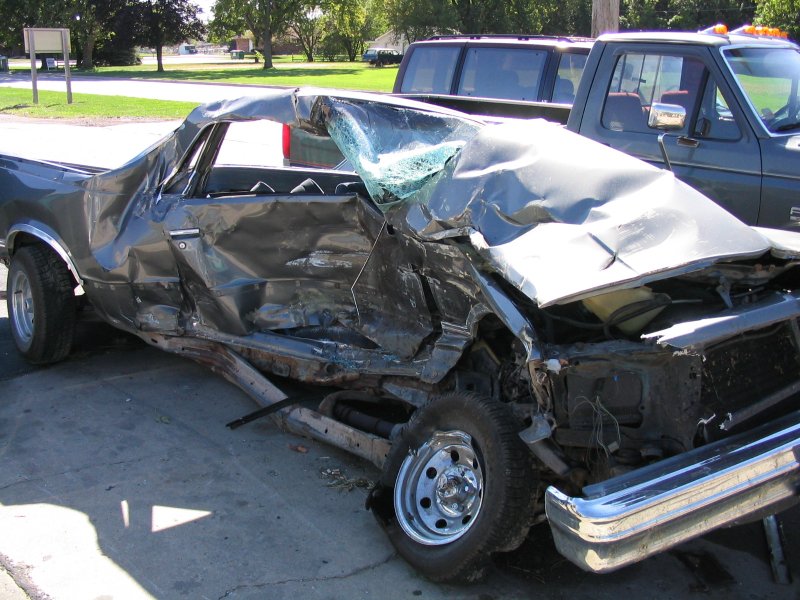
Key Takeaways
- A car is totaled when repairs exceed a state threshold (often 70–75%) of its value.
- You’re paid Actual Cash Value (ACV) — the depreciated market value, not your loan balance.
- The first offer is negotiable — request the total loss valuation report.
- If you can’t agree, you can invoke your policy’s appraisal clause.
When Is a Car Considered a Total Loss?
A car is totaled when the cost to repair it, plus its salvage value, exceeds a set percentage of its pre-accident market value. Thresholds vary — Alabama uses 75%, while Texas requires repairs to reach 100% of the car’s value (Kelley Blue Book, 2026). States without fixed thresholds use a Total Loss Formula instead.
What Is Actual Cash Value (ACV)?
ACV is what your car was worth the moment before the crash — its replacement cost minus depreciation for age, mileage, and wear. Crucially, it is not your original purchase price or loan balance. The principle is indemnity: insurance restores you to your pre-loss position, not a profit. ACV differs from a diminished value claim, which recovers lost resale value when your car is repaired rather than totaled.
How Do Insurers Calculate Your Payout?
Most insurers use third-party valuation companies that analyze recent local sales of similar vehicles, then adjust for your car’s mileage, condition, trim, and features. Your final offer is that ACV minus your deductible. Some states also require the insurer to add sales tax and title transfer fees. This valuation happens after you file your insurance claim, so filing promptly with full documentation speeds up the offer.
How Do You Calculate the Actual Cash Value of Your Totaled Car?
You can estimate your totaled car’s actual cash value before the insurer even makes an offer, which gives you a number to negotiate against. The car total loss value is essentially your vehicle’s depreciated market price, so build your own figure from real data:
- Look up your exact make, model, year, trim, and mileage on Kelley Blue Book, Edmunds, and NADA.
- Pull 5–10 local listings for the same vehicle in similar condition to see the real market range.
- Take the average, then adjust up for new tires, recent maintenance, or premium features.
- Compare that figure to the insurer’s offer — a gap over 10% is worth disputing.
When someone asks “what is the actual cash value of my totaled car?”, this is the honest answer: it is what a private buyer would have paid the moment before the crash — not a book value in isolation, and not your loan balance. Documenting that number is your strongest tool against a lowball offer.
How Do You Dispute a Low Total Loss Offer?
Don’t accept the first offer blindly. To push back:
- Request the total loss valuation report — insurers often won’t share it unless you ask
- Gather your own evidence — KBB, Edmunds, and NADA values plus local comparable listings
- Check their comparables for accuracy and present a documented counteroffer
- Invoke the appraisal clause — each side picks an appraiser if you still disagree
- File a complaint with your state’s Department of Insurance if the insurer breaks the rules
Insurer lowballing your totaled car? A free attorney review can tell you if the offer is fair.
How Can You Get More for Your Totaled Car?
If the insurer’s total-loss offer feels low, you can push back with evidence. Actual cash value is negotiable, and insurers often start below what your car is truly worth. The key is documenting your specific vehicle’s condition and comparable local prices.
- Gather listings for the same make, model, year, and mileage in your area.
- Document recent maintenance, new tires, or upgrades that add value.
- Photograph the car’s pre-accident condition if you have images.
- Get an independent appraisal if the gap is significant.
- Ask the insurer to explain exactly how they calculated the value.
Present this as a calm, factual counteroffer. A well-supported dispute frequently moves the number up, especially when your comparables clearly exceed the insurer’s figure.
What If You Owe More Than the Car Is Worth?
If your loan balance exceeds the car’s actual cash value, the insurer’s payout goes to the lender first — and you may still owe the difference. This is where gap insurance matters: it covers that shortfall so you’re not paying for a car you no longer have.
Without gap coverage, a total loss on a financed car can leave you out of pocket. If you’re still making payments, contact your lender immediately after a total loss to understand exactly what you owe and how the insurance payment applies. If the at-fault driver was uninsured, recovering your ACV gets harder — see our guide on being hit by an uninsured driver.
Should You Keep or Sell a Totaled Car?
After a total loss, the insurer usually keeps the car and pays you its actual cash value. But you can often choose to retain it — the insurer deducts the salvage value from your payout, and you keep the vehicle with a salvage title. This can make sense if the damage is mostly cosmetic.
Weigh it carefully: a salvage-title car is worth less, harder to insure, and may need costly repairs to be roadworthy and legal. For many people, taking the full payout and moving on is the simpler, safer choice.
How Long Does a Total Loss Claim Take?
A straightforward total-loss claim often resolves in one to two weeks once the insurer declares the car a total loss and agrees on value. Disputes over the actual cash value, missing documents, or lender involvement can stretch it longer.
You can speed it up by supplying your title, loan details, and any value comparables promptly. Staying responsive and organized is the best way to move a total-loss payout along quickly.
Frequently Asked Questions
Does total loss pay off my car loan?
Not necessarily. You’re paid the car’s ACV, which may be less than you owe. If you have gap (Loan/Lease Payoff) coverage, it covers the difference up to your policy limits. Without it, you may still owe the lender.
Can I keep my totaled car?
Often yes, but your settlement is reduced. When you keep the vehicle, the insurer subtracts its salvage value from what they pay you. You’d then handle any repairs and re-titling yourself.
Is the insurer’s first total loss offer final?
No. The first offer is negotiable. Request the valuation report, verify their comparables, and present evidence of your car’s value. If you still can’t agree, your policy’s appraisal clause provides a formal dispute process.
How is the actual cash value of a totaled car determined?
Insurers use third-party valuation firms that compare recent local sales of similar vehicles, then adjust for your car’s mileage, trim, condition, and features. The result is your car’s depreciated market value — minus your deductible, plus sales tax in many states.
Bottom line: a total-loss offer is negotiable, and insurers often open low. Know your car’s actual cash value, back it with local comparables, and dispute a lowball with evidence. If you owe more than the payout, gap insurance is what stands between you and paying for a car you no longer own.
Conclusion
A total loss settlement is based on your car’s depreciated ACV — not what you paid or owe. Because the first offer is negotiable, request the valuation report, document comparable values, and invoke your appraisal clause if needed. When the gap is large, a free legal consultation can help — see our complete car accident lawyer guide.
Disclaimer: This article is for general informational purposes only and is not legal or insurance advice. Thresholds and rules vary by state and insurer. Confirm with your insurer or state’s Department of Insurance.