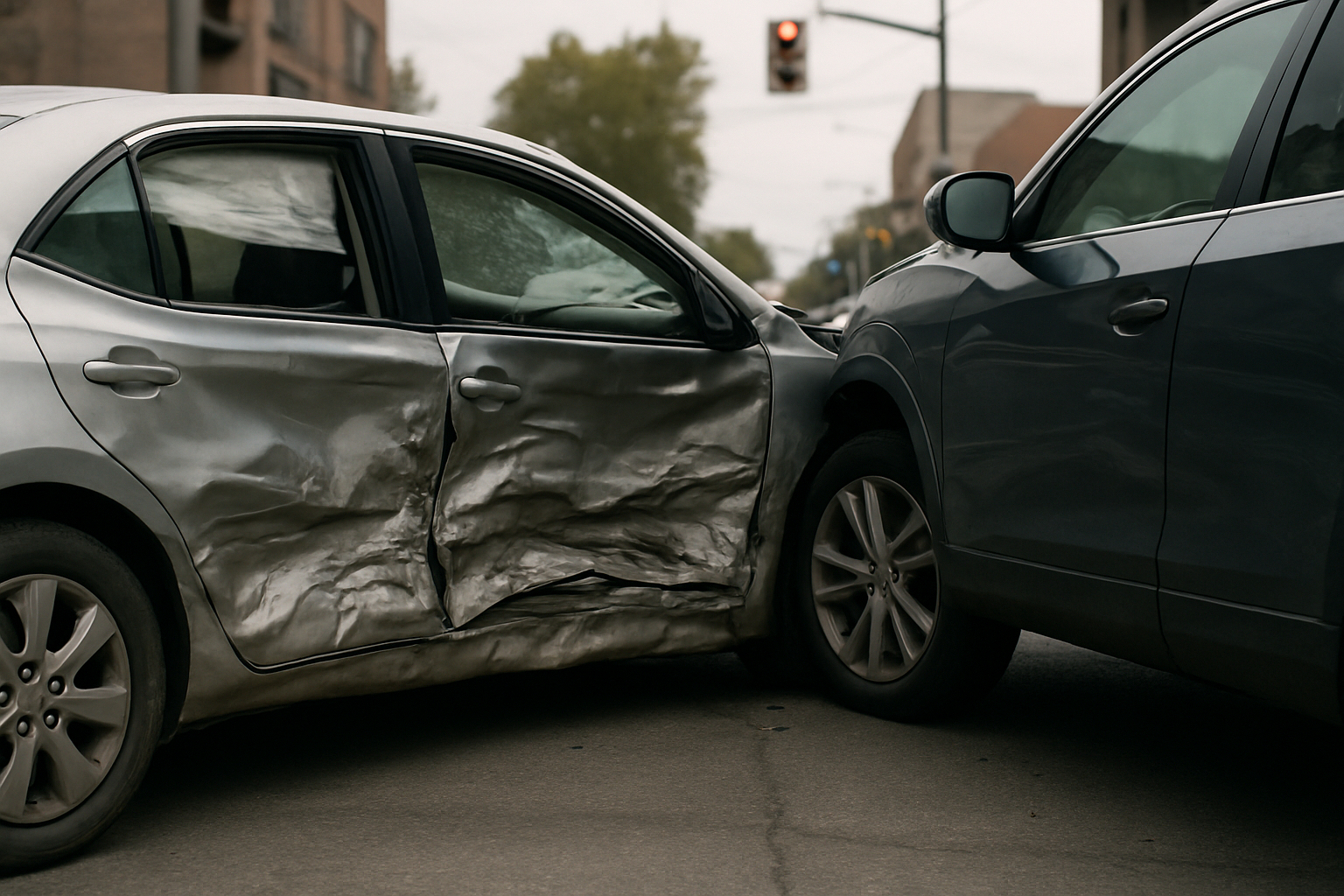

PTSD Car Accident Settlement: Compensation for Emotional Trauma

Person coping with emotional trauma after a car accident

A PTSD car accident settlement compensates you for the psychological trauma a crash can cause — and it can range from about $10,000 for mild, short-term distress to over $100,000 for diagnosed, lasting PTSD. Because emotional injuries are invisible, they’re harder to prove and easy for insurers to dispute. A formal diagnosis and treatment records are what make these claims succeed.

Key Takeaways

  • Emotional trauma like PTSD is a real, compensable injury after a crash.
  • Settlements range from about $10,000 to $100,000+ depending on severity.
  • A formal PTSD diagnosis from a mental-health professional is essential.
  • Insurers dispute emotional claims because the injury is invisible.
  • PTSD damages are often part of a larger physical-injury claim.

Can You Get a Settlement for Emotional Trauma?

Yes. Emotional and psychological injuries — including post-traumatic stress disorder (PTSD), anxiety, and depression — are real, compensable harms after a car accident. They fall under ‘pain and suffering’ or ‘emotional distress’ damages, and a serious crash can cause lasting trauma even without major physical injury.

Most often, PTSD damages are part of a larger claim alongside physical injuries. For how non-economic damages work, see our guides on injury settlements and the average settlement.

Therapy session for PTSD after a car accident

How Much Is a PTSD Settlement Worth?

There’s no fixed figure — it depends on severity, diagnosis, and how the trauma affects your life. Here’s a rough guide to how emotional-distress settlements tend to range:

SeverityTypical settlement range
Mild, short-term distress$10,000 – $25,000
Moderate anxiety / diagnosed PTSD$25,000 – $75,000
Severe, lasting PTSD with treatment$75,000 – $150,000
Disabling PTSD affecting work & life$150,000+
General estimates only; emotional-distress values vary widely by diagnosis, evidence, and state.

These figures usually add to a physical-injury claim rather than stand alone, and they depend heavily on how well the condition is documented.

How Do You Prove PTSD After a Car Accident?

Because the injury is invisible, proof is the whole battle. Insurers dispute emotional claims aggressively, so a lawyer builds the case with:

  1. A formal diagnosis — from a psychologist or psychiatrist.
  2. Treatment records — therapy, counseling, and any medication.
  3. A symptom journal — documenting flashbacks, anxiety, and sleep problems.
  4. Testimony from family — describing how you’ve changed since the crash.
  5. Expert testimony — a mental-health professional explaining the impact.

Prompt treatment matters — like a traumatic brain injury, a documented, consistent record is what proves an invisible injury to an insurer.

Why Do Insurers Dispute PTSD Claims?

Simple: PTSD doesn’t show on any scan. Insurers argue it’s exaggerated, pre-existing, or unrelated to the crash, and they may pressure you to settle before the emotional impact is fully documented.

A lawyer counters this with a formal diagnosis, consistent treatment, and expert testimony, and makes sure you don’t settle too early — see the first settlement offer. Most work on contingency — see what percentage a lawyer takes.

When Should You Call a Lawyer About Emotional Trauma?

Whenever a crash causes lasting psychological effects. Contact a lawyer if:

  • You have flashbacks, anxiety, or fear of driving after a crash.
  • You’ve been diagnosed with PTSD, anxiety, or depression.
  • The trauma is affecting your work, sleep, or relationships.
  • The insurer is dismissing or ignoring your emotional injuries.

Acting early builds the treatment record these claims need — see how long a settlement takes and how to find the right lawyer.

Bottom line: emotional trauma like PTSD is a real, compensable injury, worth from about $10,000 to well over $100,000 depending on severity. Because it’s invisible, insurers dispute it hard — so get a formal diagnosis, document your treatment, and don’t settle before the impact is clear.

Can You Claim PTSD Without a Physical Injury?

Sometimes, but it’s harder. Most PTSD claims succeed as part of a larger physical-injury case, because the physical injury anchors the crash’s severity. A ‘standalone’ emotional claim — PTSD with no physical injury — is possible in many states but faces more scrutiny.

  • With a physical injury — PTSD damages add to the claim and are easier to prove.
  • Standalone emotional claim — allowed in many states, but needs strong proof.
  • Witnessing a traumatic event — some states allow claims for severe trauma even without impact.

Rules vary by state, and some require the emotional distress to be ‘serious’ and medically documented. A lawyer knows how your state treats standalone emotional claims and builds the diagnosis and treatment record needed to overcome the insurer’s inevitable challenge.

One practical point: your own words and social media can make or break a PTSD claim. Insurers monitor for anything that contradicts your reported trauma — photos of you seeming happy, posts about driving, or activities that suggest you’re fine. Even innocent posts can be twisted to argue your emotional injury isn’t serious.

A lawyer advises you on protecting the claim, keeps your treatment record consistent, and frames the evidence so the insurer can’t dismiss your trauma. Because emotional injuries are so easy to attack, that guidance often makes the difference between a fair settlement and a denied claim.

Frequently Asked Questions

Can you get a settlement for PTSD after a car accident?

Yes. PTSD and other emotional injuries are compensable as ‘pain and suffering’ or ‘emotional distress’ damages. Settlements range from about $10,000 for mild distress to $100,000+ for diagnosed, lasting PTSD. A formal diagnosis and treatment records are essential to proving it.

How much is a PTSD car accident settlement worth?

It ranges from about $10,000 for mild, short-term distress to $75,000–$150,000 for severe, lasting PTSD with treatment. Disabling PTSD can be worth more. These damages usually add to a physical-injury claim and depend heavily on diagnosis and documentation.

How do you prove PTSD after a car accident?

With a formal diagnosis from a psychologist or psychiatrist, treatment and therapy records, a symptom journal, testimony from family about how you’ve changed, and expert testimony. Because the injury is invisible, consistent documentation over time is what proves it to an insurer.

Why do insurers dispute emotional distress claims?

Because PTSD and emotional trauma don’t show on any scan, insurers argue they’re exaggerated, pre-existing, or unrelated to the crash. A lawyer counters this with a formal diagnosis, consistent treatment, and expert testimony, and ensures you don’t settle before the impact is documented.


Related Guides

Knee Injury Car Accident Settlement: How Much Is It Worth?

Doctor examining a knee injury after a car accident

A knee injury car accident settlement usually ranges from about $10,000 for a minor sprain to over $150,000 for a torn ACL, meniscus tear, or knee that needs surgery. The value depends on severity, whether surgery is required, and how much lasting mobility you lose. Ligament and cartilage tears often need an MRI to prove, so insurers frequently dispute them.

Key Takeaways

  • Knee injury settlements range from about $10,000 to $150,000+.
  • ACL, MCL, and meniscus tears push values much higher.
  • Surgery and lasting instability raise the value significantly.
  • Ligament tears may need an MRI — not just an X-ray — to prove.
  • Lost mobility and inability to work are major factors.

What Is the Average Knee Injury Settlement?

It depends on the injury. A bruise or minor sprain settles far lower than a torn ligament or meniscus requiring surgery. Here’s a rough guide to how knee injury settlements tend to range:

Injury typeTypical settlement range
Minor sprain / contusion$10,000 – $25,000
Meniscus or ligament tear (no surgery)$25,000 – $75,000
Torn ACL / meniscus with surgery$75,000 – $150,000
Knee replacement / multiple surgeries$150,000 – $350,000+
Permanent instability / disability$300,000+
General estimates only; each case depends on severity, treatment, and lasting effects.

These are broad ranges, not promises. See our guide on the average car accident settlement for context.

Knee injury rehabilitation therapy

Why Are Knee Injuries Often Disputed?

Like other soft-tissue injuries, ligament and cartilage tears in the knee — ACL, MCL, meniscus — may not fully show on a standard X-ray. Insurers use this to argue the injury is minor or pre-existing, especially if there’s any prior wear in the joint.

A lawyer counters this with an MRI, orthopedic records, and the ‘eggshell’ rule — the at-fault driver is responsible for aggravating a pre-existing condition. The same principle protects back injury claims.

What Factors Affect a Knee Injury Settlement?

Several things shape the value:

  • Whether surgery is needed — ACL reconstruction or meniscus repair raises the value.
  • Lasting instability — a knee that gives out or limits mobility is worth more.
  • Lost income — especially for jobs requiring standing, lifting, or walking.
  • Future care — knees often develop arthritis, meaning future costs.
  • Clear liability — strong fault strengthens the claim.

How Do You Maximize a Knee Injury Settlement?

Protecting the value comes down to documentation and timing:

  1. See a doctor promptly and get an MRI if a tear is suspected.
  2. Follow the full treatment plan, including surgery and physical therapy.
  3. Document how the injury affects walking, work, and daily life.
  4. Account for future costs — knee injuries can lead to arthritis.
  5. Consult a lawyer before settling anything beyond a minor sprain.

Don’t rush — see why you shouldn’t accept the first offer and how long a settlement takes. Most injury lawyers work on contingency — see what percentage a lawyer takes.

Bottom line: a knee injury settlement ranges from about $10,000 to well over $150,000, driven by surgery, lasting instability, and future care like arthritis. Because insurers dispute ligament tears, get an MRI, document everything, and don’t settle before your prognosis is clear.

How Is Pain and Suffering Valued for a Knee Injury?

A knee injury settlement includes ‘pain and suffering’ beyond the medical bills and lost income. Insurers commonly use a ‘multiplier’ — economic damages times a factor of roughly 1.5 to 5, based on how serious and lasting the injury is.

  • Minor sprain that heals — a lower multiplier, around 1.5–2.
  • Surgery and long rehab — a higher multiplier, 3–4.
  • Permanent instability or arthritis — the top of the range.

Because a knee injury affects walking, standing, and stairs — the basics of daily life — a lasting one supports a solid pain-and-suffering figure. A lawyer captures how the injury limits mobility and independence to argue for a higher multiplier, especially where future arthritis is likely.

Timing is critical with knee injuries because they often worsen or reveal complications over time. A meniscus tear may not be fully diagnosed until an MRI weeks later, and knee injuries frequently lead to arthritis years down the line. Settling too early can leave you without the funds for a future surgery or long-term care.

A lawyer keeps the claim open until your medical picture stabilizes, while meeting your state’s statute of limitations, so the settlement accounts for future costs like arthritis or a possible knee replacement — not just the immediate injury the insurer wants to pay for.

A pre-existing condition argument is especially common in knee claims, since knees wear naturally over time and many people have some prior damage. Insurers use this to argue your pain predates the crash. But under the eggshell rule, the at-fault driver is still responsible for aggravating a pre-existing knee condition. A before-and-after comparison of your mobility, backed by imaging, is what proves the crash made it worse and protects the claim’s full value.

Frequently Asked Questions

What is the average knee injury settlement from a car accident?

It ranges from about $10,000 for a minor sprain to $75,000–$150,000 for a torn ACL or meniscus requiring surgery. A knee replacement or permanent instability can reach $300,000 or more. The value depends on surgery, lasting mobility loss, and future care.

How much is a torn ACL worth in a settlement?

A torn ACL requiring surgery often settles in the $75,000–$150,000 range, while one without surgery may be $25,000–$75,000. The value depends on lasting instability, lost income, whether arthritis is likely, and the clarity of liability.

Why do insurers dispute knee injury claims?

Because ligament and cartilage tears (ACL, MCL, meniscus) may not show on a standard X-ray, insurers argue they’re minor or pre-existing. A lawyer counters this with an MRI, orthopedic records, and the eggshell rule, which holds the driver responsible for aggravating a prior condition.

Do I need a lawyer for a knee injury claim?

For anything beyond a minor sprain, usually yes. Insurers dispute ligament tears, and a lawyer documents the injury with imaging, accounts for future surgery and arthritis, and negotiates from strength. Consultations are free and most work on contingency.

Related Guides

Shoulder Injury Car Accident Settlement: What It’s Worth

Doctor examining a shoulder injury after a car accident

A shoulder injury car accident settlement typically ranges from about $10,000 for a minor sprain to over $150,000 for a torn rotator cuff or a shoulder that needs surgery. The value depends on severity, whether surgery is required, and how much lasting mobility you lose. Because rotator cuff tears may not fully show on an X-ray, insurers often dispute them — so documentation is key.

Key Takeaways

  • Shoulder injury settlements range from about $10,000 to $150,000+.
  • Rotator cuff tears and surgery push values much higher.
  • Insurers dispute soft-tissue shoulder injuries that don’t show on X-rays.
  • Lost mobility and inability to work raise the value significantly.
  • An MRI, not just an X-ray, is often needed to prove the injury.

What Is the Average Shoulder Injury Settlement?

It depends on the type of shoulder injury. A minor sprain that heals with rest settles far lower than a torn rotator cuff or labrum requiring surgery. Here’s a rough guide to how shoulder injury settlements tend to range:

Injury typeTypical settlement range
Minor sprain / strain (soft tissue)$10,000 – $25,000
Rotator cuff tear (no surgery)$25,000 – $75,000
Torn labrum or rotator cuff with surgery$75,000 – $150,000
Shoulder replacement / severe damage$150,000 – $300,000+
Permanent loss of use / disability$300,000+
General estimates only; each case depends on severity, treatment, and lasting effects.

These ranges are guidance, not guarantees. For the wider picture, see our guide on the average car accident settlement.

Shoulder injury recovery with a sling

Why Are Shoulder Injuries Often Disputed?

Here’s the catch: many serious shoulder injuries — like rotator cuff or labral tears — are soft-tissue damage that doesn’t appear on a standard X-ray. Insurers use this to argue the injury is minor, pre-existing, or exaggerated, especially after a lower-speed crash.

A lawyer counters this with an MRI, orthopedic specialist records, and consistent treatment. The same X-ray-invisible problem affects neck injuries and delayed injuries, so prompt imaging matters.

What Factors Affect a Shoulder Injury Settlement?

Several things shape the final value:

  • Whether surgery is required — surgical repairs sharply raise the value.
  • Lasting mobility loss — a permanently limited shoulder is worth far more.
  • Lost income — especially for physical jobs you can no longer do.
  • Dominant arm — an injury to your dominant shoulder affects daily life more.
  • Clear liability — strong fault by the other driver strengthens the claim.

How Do You Maximize a Shoulder Injury Settlement?

How you handle the claim affects the outcome. To protect the value:

  1. See a doctor promptly and get an MRI if a tear is suspected.
  2. Follow the full treatment plan, including physical therapy, without gaps.
  3. Document how the injury limits work and daily activities.
  4. Don’t settle before you know if surgery will be needed.
  5. Consult a lawyer for anything beyond a minor sprain.

Rushing to settle is the biggest mistake — see why you shouldn’t accept the first offer and how long a settlement takes. Most injury lawyers work on contingency — see what percentage a lawyer takes.

Bottom line: a shoulder injury settlement ranges from about $10,000 to well over $150,000, driven by surgery, lasting mobility loss, and lost income. Because insurers dispute these soft-tissue injuries, get an MRI, document everything, and don’t settle before your prognosis is clear.

How Is Pain and Suffering Valued for a Shoulder Injury?

A shoulder injury settlement includes ‘pain and suffering’ on top of medical bills and lost wages. Insurers often use a ‘multiplier’ — economic damages times a factor, usually 1.5 to 5, based on severity. A shoulder that limits your daily movement scores well here because the disruption is constant.

  • Minor sprain, full recovery — a lower multiplier, around 1.5–2.
  • Surgery with long rehab — a higher multiplier, 3–4.
  • Permanent loss of motion — the top of the range.

Because the shoulder is central to nearly every daily task — dressing, driving, lifting, working — a lasting shoulder injury supports a strong pain-and-suffering figure. A lawyer documents that constant disruption to push the non-economic portion up rather than letting the insurer minimize it.

Timing matters with a shoulder injury because the full picture takes time to emerge. A rotator cuff tear may start as manageable pain and only later prove to need surgery, and shoulders are prone to re-injury and stiffness (frozen shoulder) during recovery. Settling before you know the outcome can leave you paying for a surgery you didn’t anticipate.

A lawyer keeps the claim open until your prognosis is clear, while meeting your state’s filing deadline, so the settlement reflects the true, final cost — including any surgery, extended therapy, and lasting loss of motion — rather than an early guess the insurer would prefer.

A pre-existing condition argument is common in shoulder claims, since prior wear or old injuries in the shoulder are frequent, especially with age or manual work. Insurers seize on this to claim the damage existed before the crash. But the eggshell rule protects you: the at-fault driver is responsible for aggravating a pre-existing shoulder condition, even if a healthy shoulder wouldn’t have torn. Medical evidence showing the crash worsened your shoulder is what defeats this tactic.

Frequently Asked Questions

What is the average shoulder injury settlement from a car accident?

It ranges from about $10,000 for a minor sprain to $75,000–$150,000 for a torn rotator cuff or labrum requiring surgery. Severe damage or a shoulder replacement can reach $300,000 or more. The value depends on surgery, lasting mobility loss, and lost income.

How much is a torn rotator cuff worth in a settlement?

A rotator cuff tear without surgery often settles in the $25,000–$75,000 range, while one requiring surgery can reach $75,000–$150,000. The exact value depends on the severity, whether it’s your dominant arm, lost income, and any permanent loss of motion.

Why do insurers dispute shoulder injury claims?

Because serious shoulder injuries like rotator cuff or labral tears are soft-tissue damage that often doesn’t show on a standard X-ray. Insurers argue they’re minor or pre-existing. A lawyer counters this with an MRI, orthopedic records, and consistent treatment.

Do I need a lawyer for a shoulder injury claim?

For anything beyond a minor sprain, usually yes. Insurers aggressively dispute shoulder injuries, and a lawyer documents the injury with imaging, values future surgery and lost mobility, and negotiates from strength. Consultations are free and most work on contingency.

Related Guides

Broken Bone Car Accident Settlement: What to Expect

Broken arm in a cast after a car accident

A broken bone car accident settlement typically ranges from about $15,000 for a simple fracture to well over $100,000 for a severe break requiring surgery, hardware, or leaving permanent impairment. Because a fracture is visible on an X-ray, liability for the injury itself is rarely disputed — but insurers still fight over the full cost of recovery. Documenting the complete impact is what protects the claim.

Key Takeaways

  • Broken bone settlements range from about $15,000 to $100,000+.
  • A fracture shows on an X-ray, so the injury itself is rarely disputed.
  • Surgery, hardware (plates/screws), and permanent impairment raise the value.
  • Lost income and future care are major parts of a fracture claim.
  • Insurers still fight over the full cost, so documentation matters.

What Is the Average Broken Bone Settlement?

Fracture settlements vary with the bone, the severity, and whether surgery is needed. A clean break that heals in a cast settles far lower than a shattered bone needing surgical hardware. Here’s a rough guide:

Fracture typeTypical settlement range
Simple fracture (heals in a cast)$15,000 – $50,000
Fracture with moderate complications$50,000 – $100,000
Fracture requiring surgery / hardware$75,000 – $200,000
Multiple or severe fractures$150,000 – $400,000+
Fracture with permanent impairment$300,000+
General estimates only; each case depends on the bone, treatment, and lasting effects.

These are broad ranges — your claim depends on the specifics. See our guide on the average car accident settlement for the wider picture.

Doctor reviewing a fracture X-ray

What Factors Affect a Broken Bone Settlement?

Even though the fracture itself is clear, several factors shape the final value:

  • Which bone and how severe — a weight-bearing or complex fracture is worth more.
  • Surgery and hardware — plates, screws, or rods add significant value.
  • Recovery time and lost income — long healing means more missed work.
  • Permanent effects — limited mobility, arthritis, or visible scarring.
  • Pain and suffering — fractures are painful and disruptive to daily life.

Do Insurers Dispute Broken Bone Claims?

Less than soft-tissue injuries — because the fracture is undeniable on an X-ray. What insurers do dispute is the full cost: they may argue you recovered faster than you did, that future care isn’t needed, or that pain and suffering should be minimal.

That’s where documentation and a lawyer matter. Proving the complete impact — future surgeries, hardware removal, lasting limitations — is what secures full value. Don’t settle before recovery is clear; see the first settlement offer.

How Do You Maximize a Fracture Settlement?

Protecting the full value comes down to documenting everything and not settling too soon:

  1. Follow the full treatment plan, including physical therapy and follow-ups.
  2. Keep records of surgeries, hardware, and any planned future procedures.
  3. Document lost income and how the injury limits your daily activities.
  4. Wait until your prognosis is clear before settling — hardware may need later removal.
  5. Consult a lawyer for anything beyond a simple, fully-healed fracture.

Because fractures can involve future costs, don’t rush — see how long a settlement takes and how to file your claim. Most injury lawyers work on contingency — see what percentage a lawyer takes.

Bottom line: a broken bone settlement ranges from about $15,000 to well over $100,000, driven by severity, surgery, and lasting effects. The fracture itself is rarely disputed, but insurers fight the full cost — so document everything and don’t settle before recovery is clear.

How Is Pain and Suffering Calculated for a Fracture?

A broken bone settlement includes ‘pain and suffering’ on top of medical bills and lost income — and fractures score well here, because they’re undeniably painful and disruptive. Insurers often use a ‘multiplier’: economic damages times a factor, usually 1.5 to 5, based on severity.

  • Simple fracture, full recovery — a lower multiplier, around 2.
  • Surgery and long recovery — a higher multiplier, 3–4.
  • Permanent impairment or visible scarring — the top of the range.

Because a fracture’s pain, immobility, and recovery are easy to document, these claims often support a solid pain-and-suffering figure. A lawyer strengthens it further by capturing the full disruption — missed activities, sleep loss, and any lasting limitation — so the non-economic portion reflects the real toll.

While the fracture itself is rarely disputed, the statute of limitations still matters. Every state sets a deadline — often two to three years — to file a claim, and complex fractures can take a long time to fully resolve. Hardware sometimes needs later removal, and complications like arthritis can develop months down the line.

That’s why settling too early is risky: once you sign a release, you can’t reopen the claim for a complication that appears later. A lawyer keeps the claim open until your prognosis is clear and all future costs are known, while meeting the filing deadline — so the settlement covers the full recovery, not just the visible break.

Frequently Asked Questions

What is the average broken bone settlement from a car accident?

It ranges from about $15,000 for a simple fracture that heals in a cast to $75,000–$200,000 when surgery and hardware are involved. Multiple or severe fractures, or those leaving permanent impairment, can reach $300,000 or more. The value depends on the bone, treatment, and lasting effects.

Do insurers dispute broken bone claims?

Less than soft-tissue injuries, because a fracture is clearly visible on an X-ray. But insurers still dispute the full cost — arguing you recovered quickly, that future care isn’t needed, or that pain and suffering should be low. Documentation and a lawyer counter this.

How much is a fracture requiring surgery worth?

A fracture needing surgery and hardware (plates, screws, or rods) often settles in the $75,000–$200,000 range, and higher for multiple or severe breaks. Surgery, recovery time, lost income, and any permanent impairment all push the value up.

Should I get a lawyer for a broken bone claim?

For a simple fracture that fully heals, you may handle it yourself. But for surgery, hardware, long recovery, or permanent effects, a lawyer typically recovers more than the fee costs by documenting future care and countering the insurer. Consultations are free and most work on contingency.

Related Guides

Neck Injury Car Accident Settlement: How Much Is It Worth?

Neck injury with a cervical collar after a car accident

A neck injury car accident settlement usually ranges from about $10,000 for whiplash to over $100,000 for a herniated cervical disc or nerve damage — because value hinges on severity, treatment, and lasting symptoms. Whiplash is the most common neck injury and the most disputed, since it rarely shows on an X-ray. Documenting the injury properly is what protects your claim.

Key Takeaways

  • Neck injury settlements range from about $10,000 to $100,000+.
  • Whiplash is the most common — and the most disputed — neck injury.
  • Cervical disc injuries and nerve damage push values much higher.
  • Insurers argue whiplash is minor because it doesn’t show on an X-ray.
  • Prompt treatment and imaging are key to a strong claim.

What Is the Average Neck Injury Settlement?

It depends heavily on the type of neck injury. Whiplash and soft-tissue strains settle lower; cervical disc injuries and nerve damage settle much higher. Here’s a rough guide to how neck injury settlements tend to range:

Injury typeTypical settlement range
Whiplash / soft-tissue strain$10,000 – $30,000
Moderate injury with lasting symptoms$30,000 – $75,000
Cervical herniated disc (no surgery)$50,000 – $150,000
Neck injury requiring surgery$150,000 – $400,000+
Permanent nerve damage / disability$400,000+
General estimates only; each case depends on its facts, treatment, and state.

These ranges are guidance, not guarantees — your claim depends on the specifics. See our guide on the average car accident settlement for context.

Neck injury rehabilitation therapy

Why Is Whiplash So Often Disputed?

Whiplash is the classic ‘invisible’ injury. Because it’s soft-tissue damage that doesn’t appear on a standard X-ray, insurers routinely claim it’s minor, exaggerated, or unrelated to the crash — especially after a low-speed impact.

But whiplash is a real, compensable injury that can cause lasting pain and reduced mobility. A lawyer counters the insurer with prompt medical records and imaging — see our full guide on whiplash after a car accident.

What Factors Affect a Neck Injury Settlement?

The same forces that shape any injury claim apply, plus a few specific to the neck:

  • Diagnosis — a documented disc or nerve injury is worth far more than an unverified strain.
  • Treatment — surgery, injections, or long-term therapy raise the value.
  • Lasting symptoms — chronic pain or limited range of motion adds value.
  • Lost income — missed work and reduced earning capacity.
  • Liability — clear fault by the other driver strengthens the claim.

How Do You Maximize a Neck Injury Settlement?

How you handle the claim directly affects the outcome. To protect its value:

  1. See a doctor immediately — whiplash symptoms often appear a day or two later.
  2. Get imaging if disc or nerve involvement is suspected.
  3. Follow the full treatment plan with no gaps the insurer can exploit.
  4. Document how the injury limits work and daily life.
  5. Don’t accept a quick offer before your prognosis is clear.

Rushing to settle is the biggest mistake — see why you shouldn’t accept the first offer and how long a settlement takes. Most injury lawyers work on contingency — see what percentage a lawyer takes.

Bottom line: a neck injury settlement ranges from about $10,000 for whiplash to well over $100,000 for a disc injury, driven by severity and treatment. Because insurers dispute these claims hard, document everything and don’t settle a serious injury without advice.

How Is Pain and Suffering Valued for a Neck Injury?

A neck injury settlement includes more than medical bills and lost wages — it covers ‘pain and suffering,’ the non-economic impact. Insurers often use a ‘multiplier’ approach: economic damages multiplied by a factor, typically 1.5 to 5, based on how serious and lasting the injury is.

  • Whiplash that resolves — a lower multiplier, around 1.5–2.
  • Chronic pain or limited motion — a higher multiplier, 3–4.
  • Permanent nerve damage — the top of the range.

This is exactly why documenting lasting symptoms matters so much. A neck injury that keeps you from turning your head, sleeping, or working supports a higher multiplier — and a lawyer builds that record to push the pain-and-suffering portion up rather than letting the insurer minimize it.

A pre-existing condition argument is especially common in neck injury claims, since prior wear in the cervical spine is normal with age. Insurers use it to argue your symptoms existed before the crash. But the ‘eggshell’ rule means the at-fault driver is still responsible for aggravating a pre-existing condition — you take the victim as you find them.

Winning this point comes down to medical evidence showing the crash made things worse: new symptoms, reduced range of motion, or imaging changes. A lawyer builds that before-and-after picture and rebuts the insurer’s attempt to blame your prior health, protecting the value of the claim.

Finally, remember that time is a factor: your state’s statute of limitations sets a deadline to file, often two to three years, and a neck injury’s full impact can take months to become clear. A lawyer preserves your evidence and meets the deadline while waiting for medical clarity, so the settlement reflects the injury’s true, lasting value rather than an early guess.

Frequently Asked Questions

What is the average neck injury settlement from a car accident?

It ranges widely — roughly $10,000–$30,000 for whiplash, $50,000–$150,000 for a cervical herniated disc without surgery, and $150,000–$400,000+ when surgery is required. The value depends on severity, treatment, lasting symptoms, and lost income.

How much is whiplash worth in a settlement?

Whiplash typically settles between about $10,000 and $30,000, depending on how long symptoms last and how well it’s documented. Insurers often dispute it because it doesn’t show on an X-ray, so prompt medical records and consistent treatment are key to a fair amount.

Why do insurers dispute neck injury claims?

Because the most common neck injury — whiplash — is soft-tissue damage that doesn’t appear on a standard X-ray, insurers argue it’s minor, exaggerated, or pre-existing. A lawyer counters this with prompt medical records, imaging, and specialist opinions tying the injury to the crash.

Do I need a lawyer for a neck injury claim?

For whiplash that resolves quickly, maybe not. But for lasting symptoms, a disc injury, or a disputed claim, a lawyer usually recovers more than the fee costs — they document the injury and counter lowball tactics. Consultations are free and most work on contingency.

Related Guides

Back Injury Car Accident Settlement: What It’s Worth

Doctor examining a back injury after a car accident

A back injury car accident settlement typically ranges from a few thousand dollars for minor strains to well over $100,000 for herniated discs or surgery — because the value depends entirely on severity, treatment, and lasting impact. Insurers routinely lowball soft-tissue back claims since they don’t always show on a scan. Knowing what drives the value, and documenting it, is how you protect your claim.

Key Takeaways

  • Back injury settlements range widely — from a few thousand to $100,000+.
  • Severity, treatment, and lasting impact drive the value most.
  • Insurers lowball soft-tissue back injuries because they don’t show on X-rays.
  • Herniated discs and surgery push values much higher.
  • Documentation and a lawyer are what push back against a lowball offer.

What Is the Average Back Injury Settlement?

There’s no single number — it depends on the injury. A minor muscle strain that heals in weeks settles far lower than a herniated disc requiring surgery and long-term care. As a rough guide, here’s how back injury settlements tend to break down:

Injury typeTypical settlement range
Minor strain / sprain (soft tissue)$2,500 – $15,000
Moderate injury with ongoing therapy$15,000 – $50,000
Herniated or bulging disc (no surgery)$40,000 – $100,000
Disc injury requiring surgery$100,000 – $350,000+
Permanent damage / disability$350,000+
General estimates only; every case depends on its specific facts, treatment, and state.

These are broad ranges, not promises — your specific claim depends on the facts. For the wider picture, see our guide on the average car accident settlement.

Reviewing a back injury settlement claim

What Factors Affect a Back Injury Settlement?

Several things move the value up or down. Understanding them helps you see why offers vary so much:

  • Severity and diagnosis — a documented disc injury is worth far more than an unverified strain.
  • Medical treatment — surgery, injections, and ongoing therapy raise the value.
  • Lost income — time off work and reduced earning capacity.
  • Permanent impact — lasting pain or disability adds significant value.
  • Clear liability — the stronger the other driver’s fault, the stronger your claim.

Why Do Insurers Lowball Back Injury Claims?

Because many back injuries are soft-tissue and don’t show clearly on an X-ray, insurers argue they’re minor, pre-existing, or exaggerated. They may point to a low-speed impact or a gap in your treatment to justify a low offer.

A lawyer counters this with imaging (MRI), consistent medical records, and specialist opinions. Prompt, gap-free treatment is critical — the same principle applies to whiplash and other delayed injuries.

How Can You Maximize a Back Injury Settlement?

The value isn’t fixed — how you handle the claim matters. To protect and maximize it:

  1. See a doctor promptly and follow the full treatment plan without gaps.
  2. Get proper imaging (MRI) to document disc or nerve involvement.
  3. Keep every bill, record, and note on how the injury limits daily life.
  4. Don’t accept the first offer — see why in our guide on the first settlement offer.
  5. Consult a lawyer before settling a serious back injury.

Don’t rush — see why you shouldn’t accept the first offer and how long a settlement takes. Most injury lawyers work on contingency — see what percentage a lawyer takes.

Bottom line: a back injury settlement can range from a few thousand dollars to well over $100,000, driven by severity, treatment, and lasting impact. Insurers lowball these claims, so document everything and get a lawyer before settling a serious injury.

How Is Pain and Suffering Calculated for a Back Injury?

Beyond medical bills and lost wages, a back injury settlement includes ‘pain and suffering’ — the non-economic harm the injury causes. Insurers often use a ‘multiplier’ method: they take your economic damages (bills + lost income) and multiply by a number, usually between 1.5 and 5, based on severity.

  • Minor injury, full recovery — a low multiplier, around 1.5–2.
  • Serious injury with lasting effects — a higher multiplier, 3–5.
  • Permanent disability — the top of the range or beyond.

So a back injury with 0,000 in economic damages and a moderate multiplier of 3 might value pain and suffering at 0,000, on top of the economic total. A lawyer argues for a higher multiplier by documenting how the injury affects your sleep, work, and daily life — the details that justify a larger number.

One factor that quietly shapes a back injury settlement is the pre-existing condition argument. Many people have some prior wear in their spine, and insurers seize on this to claim your pain existed before the crash. But the law is on your side here: under the ‘eggshell’ rule, an at-fault driver is responsible for aggravating a pre-existing condition, even if a healthy person wouldn’t have been hurt as badly.

The key is medical evidence showing the crash worsened your condition — a comparison of your function before and after. A lawyer knows how to document this and rebut the pre-existing-condition tactic, which is one of the most common ways insurers try to shrink an otherwise strong back injury claim.

Frequently Asked Questions

What is the average back injury settlement from a car accident?

It varies widely by severity — roughly $2,500–$15,000 for a minor strain, $40,000–$100,000 for a herniated disc without surgery, and $100,000–$350,000+ when surgery is needed. Permanent damage can push it higher. Every case depends on treatment, lost income, and lasting impact.

Why do insurers lowball back injury claims?

Because many back injuries are soft-tissue and don’t show clearly on an X-ray, insurers argue they’re minor, pre-existing, or exaggerated. They may cite a low-speed impact or a treatment gap. A lawyer counters this with MRI imaging, consistent records, and specialist opinions.

How much is a herniated disc worth in a settlement?

A herniated or bulging disc without surgery often settles in the $40,000–$100,000 range, while a disc injury requiring surgery can reach $100,000–$350,000 or more. The exact value depends on the treatment, lost income, permanence, and clarity of liability.

Should I get a lawyer for a back injury claim?

For anything beyond a minor strain, usually yes. Insurers aggressively lowball back injuries, and a lawyer documents the injury with imaging and specialists, values future care, and negotiates from strength. Consultations are free and most work on contingency, so there’s no upfront cost.

Related Guides

Traumatic Brain Injury Lawyer: How to Prove and Recover

Doctor reviewing brain scans for a traumatic brain injury

A traumatic brain injury (TBI) lawyer helps victims of a crash recover compensation for an injury that’s often invisible but life-changing. Because a TBI may not show on a standard scan and its effects — memory loss, mood changes, cognitive problems — unfold over time, these claims are hard to prove and easy for insurers to dispute. Most TBI lawyers offer a free consultation and work on contingency.

Key Takeaways

  • A TBI can be serious even when it doesn’t show on a standard scan.
  • Symptoms like memory loss and mood changes can appear or worsen over time.
  • Insurers dispute TBIs because the injury is often ‘invisible.’
  • Proving a TBI takes specialists, testing, and documentation over time.
  • Most TBI lawyers work on contingency — no fee unless you win.

What Is a Traumatic Brain Injury?

A traumatic brain injury happens when a blow or jolt to the head disrupts brain function. In a crash, it can come from hitting the window or wheel — or even from the brain moving inside the skull without any direct impact. Concussions are the mildest form, but effects can range up to permanent cognitive damage.

Crucially, a ‘mild’ TBI can still cause lasting problems. Like other delayed injuries, symptoms often surface hours or days later, which is why prompt medical care matters.

Person experiencing headache symptoms after a brain injury

Why Are TBI Claims Hard to Prove?

Here’s the core challenge: a TBI is often invisible. Unlike a broken bone, many brain injuries don’t appear on a standard CT scan, and the symptoms — headaches, memory loss, difficulty concentrating, mood swings — are things an insurer can dismiss as unrelated or exaggerated.

That’s exactly why insurers dispute these claims so aggressively. A lawyer counters this with the right evidence: specialist evaluations, advanced imaging, neuropsychological testing, and testimony from family about how the person has changed.

What Compensation Can a TBI Victim Recover?

Because a serious TBI can affect a person’s ability to work, think, and live independently, claims can be substantial. Compensation may include:

  • Medical care — treatment, rehabilitation, and cognitive therapy.
  • Lost income and earning capacity — if the injury affects your ability to work.
  • Long-term or in-home care — for severe cases.
  • Pain, suffering, and loss of quality of life.

How Do You Prove a Traumatic Brain Injury?

Because the injury is invisible, building proof is the whole battle. A lawyer assembles a case using multiple types of evidence:

  1. Medical records — from the ER through specialist follow-ups.
  2. Advanced imaging — MRI or specialized scans that can show subtle damage.
  3. Neuropsychological testing — measuring memory, attention, and cognition.
  4. Testimony from family and coworkers — documenting changes in behavior and ability.
  5. Expert witnesses — neurologists who explain the injury to a jury.

Prompt, consistent medical care is critical — it ties the injury to the crash. See how to start the process in our guide on filing a car accident claim.

When Should You Call a TBI Lawyer?

As soon as a brain injury is suspected. Evidence and early documentation are decisive, and insurers move fast. Contact a lawyer if:

  • You or a loved one hit their head or was jolted in a crash.
  • You notice headaches, memory problems, confusion, or mood changes.
  • The insurer is downplaying or disputing the injury.
  • Symptoms are affecting work or daily life.

Acting early preserves evidence and protects your claim’s value — see how long a settlement takes. Most TBI lawyers work on contingency — see what percentage a lawyer takes.

Bottom line: a traumatic brain injury is often invisible but life-changing, and insurers dispute it hard. A TBI lawyer proves the injury with specialists and testing, then fights for the full value — usually at no cost unless they win.

What Are the Long-Term Effects of a TBI?

A traumatic brain injury can affect far more than memory, and the long-term effects are central to valuing the claim. Depending on severity, they can include:

  • Cognitive changes — problems with memory, attention, and processing speed.
  • Emotional and behavioral changes — depression, anxiety, irritability, mood swings.
  • Physical symptoms — chronic headaches, dizziness, fatigue, or seizures.
  • Difficulty working — trouble returning to a previous job or career.

Because these effects unfold over months or years and touch every part of life, a lawyer documents them over time with specialists and family testimony. This ongoing record is what proves the true, lasting impact to an insurer that would rather treat the injury as a short-term concussion.

Timing matters just as much with a brain injury. Because TBI symptoms often emerge or worsen over weeks and months, settling too early — before the full extent is known — can leave a victim under-compensated for problems that only surface later. A signed release is final, so once you accept, you cannot reopen the claim for symptoms that appear afterward.

A TBI lawyer guards against this by waiting for the medical picture to stabilize before settling, while preserving evidence and meeting the filing deadline. That patience ensures the settlement reflects the injury’s true long-term impact rather than an insurer’s early, convenient lowball offer.

Frequently Asked Questions

What does a traumatic brain injury lawyer do?

A TBI lawyer builds proof for an injury that’s often invisible. They gather medical records, advanced imaging, neuropsychological testing, and testimony about how the person has changed, then counter insurers who dispute the injury. They value the full impact and negotiate or litigate. Most work on contingency.

Why are traumatic brain injury claims hard to prove?

Because a TBI often doesn’t show on a standard CT scan, and its symptoms — headaches, memory loss, mood changes — can be dismissed as unrelated. Insurers exploit this to dispute claims. A lawyer proves the injury with specialist evaluations, advanced imaging, and testimony over time.

Can you have a brain injury without losing consciousness?

Yes. You don’t have to lose consciousness to have a traumatic brain injury. A jolt that moves the brain inside the skull can cause a concussion or worse, and symptoms may appear hours or days later. That’s why prompt medical evaluation after any head impact is important.

How much is a traumatic brain injury claim worth?

It depends on severity, but serious TBI claims can be substantial because the injury can affect your ability to work, think, and live independently. Compensation covers medical care, lost earning capacity, long-term care, and quality of life. Proving the injury fully is what protects the claim’s value.

Related Guides

Spinal Cord Injury Lawyer: How to Recover Lifelong Costs

Spinal cord injury rehabilitation

A spinal cord injury lawyer helps victims of a serious crash recover compensation for one of the most life-altering injuries there is. Because a spinal cord injury can mean lifelong medical care, lost income, and paralysis, these claims are high-value — often reaching into the millions. Insurers fight hard to limit them, so most spinal cord injury lawyers offer a free consultation and work on contingency.

Key Takeaways

  • Spinal cord injuries are catastrophic and can mean lifelong care.
  • Claims are high-value — covering future medical costs and lost earning capacity.
  • A life-care plan documenting decades of costs is central to the claim.
  • Insurers fight these claims hard because the sums are so large.
  • Most spinal cord injury lawyers work on contingency — no fee unless you win.

Why Do Spinal Cord Injury Claims Matter So Much?

A spinal cord injury can change a person’s life permanently — partial or complete paralysis, loss of function, and a lifetime of medical needs. Because the consequences are so severe and so lasting, the compensation must cover not just today’s bills but decades of future care.

That’s why these are among the highest-value personal injury claims. For the broader picture of when you need representation, see our complete car accident lawyer guide.

Spinal cord injury victim consulting a lawyer

What Compensation Can You Recover?

Because a spinal cord injury affects every part of life, a claim can be substantial. It may include:

  • Lifelong medical care — surgery, rehabilitation, and ongoing treatment.
  • Assistive equipment and home modifications — wheelchairs, ramps, accessible vehicles.
  • Lost income and earning capacity — if you can’t return to your job.
  • In-home care — nursing or personal assistance for daily living.
  • Pain, suffering, and loss of enjoyment of life.

What Is a Life-Care Plan and Why Does It Matter?

This is the heart of a spinal cord injury claim. A life-care plan is a detailed, expert-prepared document that projects every cost the injury will create over the victim’s lifetime — surgeries, therapy, equipment replacement, medication, and care.

Without it, an insurer will lowball the future costs, because those numbers are huge and hard to prove. A lawyer works with medical and economic experts to build a life-care plan that forces the true, full value of the claim onto the table.

Why Do Insurers Fight Spinal Cord Injury Claims?

Simple: the sums are enormous. A serious spinal cord injury claim can reach into the millions, so insurers have a strong incentive to minimize it — disputing the severity, arguing about future costs, or blaming pre-existing conditions.

A lawyer counters each tactic with medical evidence and expert testimony. These claims often follow the most severe crashes — see our guides on head-on collisions and truck accidents, which frequently cause this level of injury.

How Do You Choose a Spinal Cord Injury Lawyer?

Experience with catastrophic injury cases matters enormously here, because the stakes and the complexity are so high. Look for:

  1. A track record with catastrophic or spinal cord injury cases specifically.
  2. Access to medical and life-care-planning experts.
  3. The resources to fight a large insurer through litigation if needed.
  4. A free consultation and contingency fee — no fee unless you win.
  5. Clear communication and genuine attention to your situation.

Our general checklist on how to find the best car accident lawyer applies, and most work on contingency — see what percentage a lawyer takes.

Bottom line: a spinal cord injury is life-altering, and the claim must cover a lifetime of costs. A spinal cord injury lawyer builds the life-care plan and fights the insurer for the full value — usually at no cost unless they win.

What Are the Levels of Spinal Cord Injury?

The severity and location of the injury shape both the medical outcome and the claim’s value. In general:

  • Complete injury — total loss of function below the injury site; the most severe.
  • Incomplete injury — some function or sensation remains; outcomes vary widely.
  • Paraplegia — affecting the lower body, from injuries to the mid-to-lower spine.
  • Tetraplegia (quadriplegia) — affecting all four limbs, from injuries higher on the spine.

The higher on the spine the injury occurs, generally the more extensive the impact and the higher the lifetime cost. A lawyer works with medical experts to document exactly how the specific injury affects the victim, because that detail drives the life-care plan and the ultimate value of the claim.

One critical factor in spinal cord injury cases is timing. Every state sets a statute of limitations — often two to three years — and building a catastrophic-injury case takes time, since the full medical picture and long-term prognosis must be established before the claim’s true value is clear. Settling too early, before the life-care plan is complete, can leave a victim without the funds they will need for decades.

A spinal cord injury lawyer manages this carefully: preserving evidence and meeting deadlines while waiting for medical clarity, so the final claim reflects the real, lifelong cost. That patience, backed by expert documentation, is what separates a fair settlement from one that runs out years before the care does.

Frequently Asked Questions

What does a spinal cord injury lawyer do?

A spinal cord injury lawyer builds a claim that covers the injury’s lifelong costs. They work with medical and economic experts to create a life-care plan projecting decades of expenses, prove the other party’s fault, and fight insurers who try to minimize these high-value claims. Most work on contingency.

How much is a spinal cord injury claim worth?

It varies with severity, but serious spinal cord injury claims are among the highest-value personal injury cases — often reaching into the millions — because they must cover lifelong medical care, lost earning capacity, home modifications, and in-home care. A life-care plan documents the true amount.

What is a life-care plan?

A life-care plan is an expert-prepared document projecting every cost a catastrophic injury will create over the victim’s lifetime — surgeries, therapy, equipment, medication, and care. It’s central to a spinal cord injury claim because it forces the insurer to face the full future cost, not just current bills.

Do I need a lawyer for a spinal cord injury?

Almost always. These claims are high-value and complex, and insurers fight hard to limit them. A spinal cord injury lawyer builds the life-care plan, counters lowball tactics with expert evidence, and has the resources to litigate. Consultations are free and most work on contingency.

Related Guides

T-Bone Accident Lawyer: Who Is at Fault and How to Claim

Side-impact T-bone collision at an intersection

A T-bone accident lawyer helps victims of side-impact crashes recover compensation — and fault usually comes down to who had the right of way at the intersection. These crashes cause serious injuries because the side of a car offers little protection. Most T-bone accident lawyers offer a free consultation and work on contingency, so there’s no upfront cost.

Key Takeaways

  • T-bone (side-impact) crashes usually happen at intersections.
  • Fault turns on who had the right of way — a red light or failure to yield.
  • Side impacts cause severe injuries; the car’s side offers little protection.
  • Evidence like traffic-camera footage and witnesses is often decisive.
  • Most T-bone accident lawyers work on contingency — no fee unless you win.

Who Is at Fault in a T-Bone Accident?

Fault in a T-bone crash almost always comes down to right of way. Whoever failed to yield — by running a red light, rolling a stop sign, or turning across traffic — is usually at fault. The challenge is proving which driver had the green light or right of way.

That’s why evidence is decisive here. Traffic-camera footage, witness statements, and the police report often settle the dispute. See our guide on how fault is determined.

Intersection traffic camera that captures T-bone crashes

Why Are Side-Impact Injuries So Serious?

A T-bone hits the side of the vehicle, where there’s only a door between the occupant and the other car — far less crumple zone than the front or rear. That means side impacts often cause severe injuries, even at moderate speeds:

  • Broken ribs and internal injuries — from direct side force.
  • Head and brain injuries — from being thrown sideways.
  • Pelvic and hip fractures — common in side impacts.
  • Spinal injuries — from the sudden lateral motion.

How Do You Prove Fault in a T-Bone Crash?

Because both drivers often claim they had the green light, proving who actually had the right of way is the heart of the case. A lawyer gathers the evidence that decides it:

  1. Traffic-camera or red-light-camera footage — the clearest proof.
  2. Witness statements — neutral third parties who saw the signals.
  3. The police report — including the officer’s assessment.
  4. Vehicle damage patterns — which can show the angle and timing of impact.

Shared fault is possible too — see our guide on comparative fault and how it affects your recovery.

What Does a T-Bone Accident Lawyer Do?

A lawyer moves fast to secure intersection footage before it’s overwritten, gathers witness accounts, proves who had the right of way, and values your side-impact injuries fully. They counter the other driver’s claim that they had the green light.

Most work on contingency, taking a percentage only if they win — see what percentage a lawyer takes. Consultations are typically free.

When Should You Call a T-Bone Accident Lawyer?

Quickly — intersection camera footage can be overwritten within days. Contact a lawyer if:

  • You were injured in a side-impact crash at an intersection.
  • Both drivers claim they had the green light.
  • The insurer is disputing fault or blaming you.
  • You suffered serious injuries like fractures or head trauma.

Fast action preserves the footage that wins these cases and protects your deadline — see how long a settlement takes.

Bottom line: a T-bone crash usually comes down to who had the right of way, and the side impact causes serious injuries. Proving fault takes evidence like intersection footage — which fades fast. A T-bone accident lawyer secures it and proves your case, usually at no cost unless they win.

Can Fault Be Shared in a T-Bone Accident?

Yes — T-bone crashes aren’t always one driver’s fault. Even if another driver ran the light, you could be assigned partial fault for speeding or being distracted, which reduces your recovery under comparative negligence rules. This is exactly what insurers try to exploit.

  • Pure comparative states — your award is reduced by your share of fault.
  • Modified comparative states — you recover only if you’re under 50–51% at fault.
  • Contributory-negligence states — even 1% fault can bar recovery entirely.

Because a small shift in the assigned fault percentage can cost you thousands, it’s worth documenting the crash thoroughly and letting a lawyer challenge any unfair share of blame. In an intersection crash where both drivers claim the green, that fault percentage is often the whole battle.

Timing is critical in T-bone cases because the best evidence disappears fastest. Traffic-camera and red-light-camera footage is frequently overwritten within days to weeks, and nearby business surveillance cameras recycle even faster. Once that footage is gone, an intersection crash can come down to one driver’s word against the other’s.

That’s why calling a lawyer quickly matters so much here. A T-bone accident lawyer can send preservation requests to the city and nearby businesses within days, locking down the footage that proves who ran the light — before it’s erased. That single step often decides the entire case.

Frequently Asked Questions

Who is at fault in a T-bone accident?

Usually the driver who failed to yield the right of way — by running a red light, rolling a stop sign, or turning across traffic. The challenge is proving which driver had the green light, which is why camera footage, witnesses, and the police report are decisive.

How do you prove fault in a T-bone crash?

With evidence of who had the right of way: traffic-camera or red-light-camera footage, witness statements, the police report, and vehicle damage patterns showing the angle of impact. A lawyer moves fast to secure intersection footage before it’s overwritten.

Why are T-bone accident injuries so serious?

Because the impact hits the side of the car, where only a door separates the occupant from the other vehicle — far less crumple zone than the front or rear. This causes severe injuries like broken ribs, internal damage, head trauma, and pelvic fractures, even at moderate speeds.

Do I need a lawyer for a T-bone accident?

Often yes, because fault is frequently disputed — both drivers may claim the green light — and injuries tend to be serious. A T-bone accident lawyer secures intersection footage, proves right of way, and values your injuries. Consultations are free and most work on contingency.

Related Guides

Head-On Collision Lawyer: How to Recover After a Serious Crash

Two cars after a head-on collision on a highway

A head-on collision lawyer helps victims of these catastrophic crashes recover compensation — and the stakes are high, because head-on impacts combine the speed of both vehicles and cause the most severe injuries. Fault often turns on which driver crossed the center line. Most head-on collision lawyers offer a free consultation and work on contingency, so there’s no upfront cost.

Key Takeaways

  • Head-on crashes are among the deadliest, causing catastrophic injuries.
  • Fault usually turns on which driver crossed the center line or drove wrong-way.
  • Claims are high-value — and insurers fight hard to limit them.
  • Multiple parties (a road defect, another driver) can sometimes share blame.
  • Most head-on collision lawyers work on contingency — no fee unless you win.

What Causes Head-On Collisions?

Head-on crashes usually happen when a driver ends up in oncoming traffic. The cause points directly to fault, so identifying it matters. Common causes include:

  • Distracted or drowsy driving — drifting across the center line.
  • Impaired driving — drunk or drugged drivers going the wrong way.
  • Unsafe passing — overtaking into oncoming traffic.
  • Wrong-way entry — entering a highway ramp the wrong way.

Whoever left their lane is usually at fault, but a road defect or another driver can share blame. See our guide on how fault is determined.

Investigating a head-on collision to prove fault

Why Are Head-On Collision Claims High-Value?

Because a head-on impact combines the speed of both vehicles, the forces are enormous and injuries are typically catastrophic — traumatic brain injuries, spinal damage, multiple fractures, or worse. That makes these claims high-value, covering extensive medical care and long-term costs.

Insurers know the stakes and fight hard to limit payouts. For fatal crashes, families may have a separate claim — a lawyer can explain how these connect to overall settlement values.

What Compensation Can You Recover?

Given the severity, a head-on collision claim can be substantial. It may include:

  • Medical bills — emergency care, surgery, and long-term rehabilitation.
  • Lost income — and lost future earning capacity if you can’t return to work.
  • Pain and suffering — the severe physical and emotional harm.
  • Future care costs — ongoing treatment for permanent injuries.

What Does a Head-On Collision Lawyer Do?

A lawyer investigates who crossed the center line, gathers evidence (skid marks, witness accounts, vehicle data), proves fault, and values the full extent of catastrophic injuries including lifelong care. They deal with insurers built to minimize these large claims.

Most work on contingency, taking a percentage only if they win — see what percentage a lawyer takes. Consultations are typically free.

When Should You Call a Head-On Collision Lawyer?

As soon as possible. These claims are high-value and complex, and evidence must be preserved. Contact a lawyer if:

  • You or a loved one suffered serious injuries in a head-on crash.
  • There’s a dispute over who crossed the center line.
  • The insurer contacts you quickly with an offer.
  • The at-fault driver was impaired, wrong-way, or uninsured.

Fast action preserves evidence and protects your deadline — see how long a settlement takes. If the driver was uninsured, see hit by an uninsured driver.

Bottom line: a head-on crash is among the most serious, with catastrophic injuries and high-value claims. Fault usually turns on who crossed the center line, and insurers fight hard to limit payouts. A head-on collision lawyer proves fault and values lifelong costs, usually at no cost unless they win.

What If a Loved One Died in a Head-On Crash?

Head-on collisions are among the most likely to be fatal, and when a family loses someone, they may have a separate wrongful death claim. This lets surviving family recover for their loss — funeral costs, lost income the person would have provided, and the loss of companionship.

It’s a civil claim, entirely separate from any criminal case against the at-fault driver, and it’s the family’s to pursue. A lawyer handles it with compassion so the family can focus on grieving. Even if the at-fault driver faces no charges, the family can still bring the civil claim — and most lawyers handle these on contingency, with no upfront cost.

A key early step in a head-on case is preserving the vehicles themselves. The cars hold crucial evidence — the airbag control module (the ‘black box’) records speed and braking, and the damage patterns show the angle of impact. Once a vehicle is repaired or scrapped, that evidence is gone for good.

A head-on collision lawyer sends an early legal hold to preserve the vehicles and their data, then works with accident-reconstruction experts to prove exactly who crossed the center line. In a high-value catastrophic-injury case, that technical proof is often what secures a full settlement rather than a disputed, reduced one.

The sooner an experienced head-on collision lawyer is involved, the more of this critical evidence can be preserved and the stronger your case becomes. Because these crashes cause such severe, life-altering injuries, having the full picture documented from the start is what separates a fair settlement from a lowball offer, and it costs nothing upfront to get that help.

Frequently Asked Questions

Who is at fault in a head-on collision?

Usually the driver who crossed the center line or drove the wrong way, since staying in your lane is a basic duty. Causes like distraction, impairment, or unsafe passing point to fault. Occasionally a road defect or another driver shares blame, which a lawyer investigates.

Why are head-on collision claims worth more?

Because a head-on impact combines both vehicles’ speed, the forces are enormous and injuries are typically catastrophic — brain, spinal, or multiple-fracture injuries. That makes claims high-value, covering extensive and long-term medical care, so insurers fight hard to limit them.

Do I need a lawyer for a head-on collision?

Almost always. These are high-value, complex claims with severe injuries, and insurers work hard to minimize them. A head-on collision lawyer proves fault, values lifelong care costs, and negotiates from strength. Consultations are free and most work on contingency.

What compensation can I get after a head-on crash?

You may recover medical bills, lost income and future earning capacity, pain and suffering, and long-term care costs. Because injuries are often catastrophic, these claims can be substantial. A lawyer documents the full extent so the insurer can’t undervalue it.

Related Guides