
A PTSD car accident settlement compensates you for the psychological trauma a crash can cause — and it can range from about $10,000 for mild, short-term distress to over $100,000 for diagnosed, lasting PTSD. Because emotional injuries are invisible, they’re harder to prove and easy for insurers to dispute. A formal diagnosis and treatment records are what make these claims succeed.
Key Takeaways
- Emotional trauma like PTSD is a real, compensable injury after a crash.
- Settlements range from about $10,000 to $100,000+ depending on severity.
- A formal PTSD diagnosis from a mental-health professional is essential.
- Insurers dispute emotional claims because the injury is invisible.
- PTSD damages are often part of a larger physical-injury claim.
Can You Get a Settlement for Emotional Trauma?
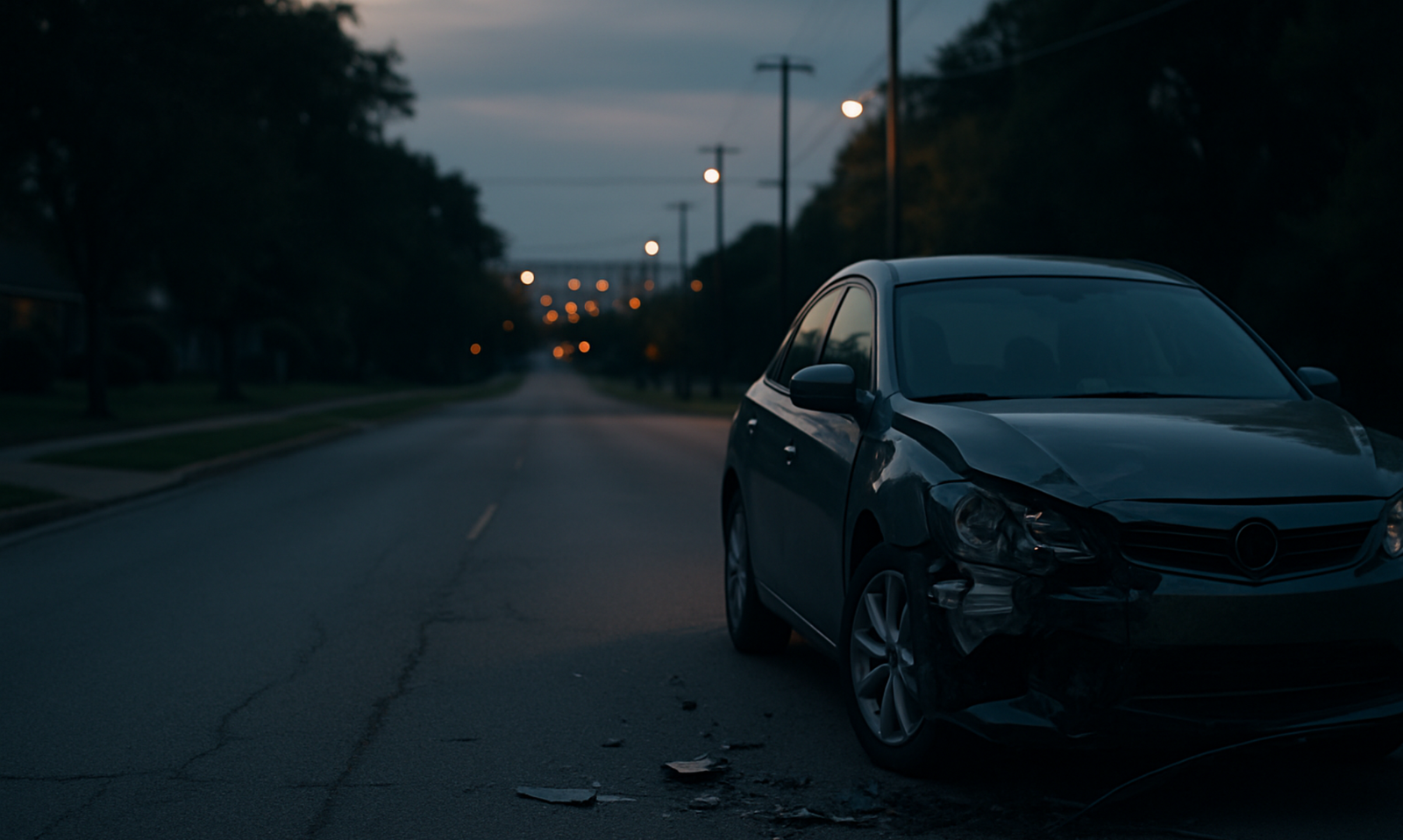
Yes. Emotional and psychological injuries — including post-traumatic stress disorder (PTSD), anxiety, and depression — are real, compensable harms after a car accident. They fall under ‘pain and suffering’ or ‘emotional distress’ damages, and a serious crash can cause lasting trauma even without major physical injury.
Most often, PTSD damages are part of a larger claim alongside physical injuries. For how non-economic damages work, see our guides on injury settlements and the average settlement.

How Much Is a PTSD Settlement Worth?
There’s no fixed figure — it depends on severity, diagnosis, and how the trauma affects your life. Here’s a rough guide to how emotional-distress settlements tend to range:
| Severity | Typical settlement range |
| Mild, short-term distress | $10,000 – $25,000 |
| Moderate anxiety / diagnosed PTSD | $25,000 – $75,000 |
| Severe, lasting PTSD with treatment | $75,000 – $150,000 |
| Disabling PTSD affecting work & life | $150,000+ |
These figures usually add to a physical-injury claim rather than stand alone, and they depend heavily on how well the condition is documented.
How Do You Prove PTSD After a Car Accident?
Because the injury is invisible, proof is the whole battle. Insurers dispute emotional claims aggressively, so a lawyer builds the case with:
- A formal diagnosis — from a psychologist or psychiatrist.
- Treatment records — therapy, counseling, and any medication.
- A symptom journal — documenting flashbacks, anxiety, and sleep problems.
- Testimony from family — describing how you’ve changed since the crash.
- Expert testimony — a mental-health professional explaining the impact.
Prompt treatment matters — like a traumatic brain injury, a documented, consistent record is what proves an invisible injury to an insurer.
Why Do Insurers Dispute PTSD Claims?
Simple: PTSD doesn’t show on any scan. Insurers argue it’s exaggerated, pre-existing, or unrelated to the crash, and they may pressure you to settle before the emotional impact is fully documented.
A lawyer counters this with a formal diagnosis, consistent treatment, and expert testimony, and makes sure you don’t settle too early — see the first settlement offer. Most work on contingency — see what percentage a lawyer takes.
When Should You Call a Lawyer About Emotional Trauma?
Whenever a crash causes lasting psychological effects. Contact a lawyer if:
- You have flashbacks, anxiety, or fear of driving after a crash.
- You’ve been diagnosed with PTSD, anxiety, or depression.
- The trauma is affecting your work, sleep, or relationships.
- The insurer is dismissing or ignoring your emotional injuries.
Acting early builds the treatment record these claims need — see how long a settlement takes and how to find the right lawyer.
Bottom line: emotional trauma like PTSD is a real, compensable injury, worth from about $10,000 to well over $100,000 depending on severity. Because it’s invisible, insurers dispute it hard — so get a formal diagnosis, document your treatment, and don’t settle before the impact is clear.
Can You Claim PTSD Without a Physical Injury?
Sometimes, but it’s harder. Most PTSD claims succeed as part of a larger physical-injury case, because the physical injury anchors the crash’s severity. A ‘standalone’ emotional claim — PTSD with no physical injury — is possible in many states but faces more scrutiny.
- With a physical injury — PTSD damages add to the claim and are easier to prove.
- Standalone emotional claim — allowed in many states, but needs strong proof.
- Witnessing a traumatic event — some states allow claims for severe trauma even without impact.
Rules vary by state, and some require the emotional distress to be ‘serious’ and medically documented. A lawyer knows how your state treats standalone emotional claims and builds the diagnosis and treatment record needed to overcome the insurer’s inevitable challenge.
One practical point: your own words and social media can make or break a PTSD claim. Insurers monitor for anything that contradicts your reported trauma — photos of you seeming happy, posts about driving, or activities that suggest you’re fine. Even innocent posts can be twisted to argue your emotional injury isn’t serious.
A lawyer advises you on protecting the claim, keeps your treatment record consistent, and frames the evidence so the insurer can’t dismiss your trauma. Because emotional injuries are so easy to attack, that guidance often makes the difference between a fair settlement and a denied claim.
Frequently Asked Questions
Can you get a settlement for PTSD after a car accident?
Yes. PTSD and other emotional injuries are compensable as ‘pain and suffering’ or ‘emotional distress’ damages. Settlements range from about $10,000 for mild distress to $100,000+ for diagnosed, lasting PTSD. A formal diagnosis and treatment records are essential to proving it.
How much is a PTSD car accident settlement worth?
It ranges from about $10,000 for mild, short-term distress to $75,000–$150,000 for severe, lasting PTSD with treatment. Disabling PTSD can be worth more. These damages usually add to a physical-injury claim and depend heavily on diagnosis and documentation.
How do you prove PTSD after a car accident?
With a formal diagnosis from a psychologist or psychiatrist, treatment and therapy records, a symptom journal, testimony from family about how you’ve changed, and expert testimony. Because the injury is invisible, consistent documentation over time is what proves it to an insurer.
Why do insurers dispute emotional distress claims?
Because PTSD and emotional trauma don’t show on any scan, insurers argue they’re exaggerated, pre-existing, or unrelated to the crash. A lawyer counters this with a formal diagnosis, consistent treatment, and expert testimony, and ensures you don’t settle before the impact is documented.