An Uber accident lawyer helps you navigate a uniquely messy claim — because Uber and Lyft carry up to $1 million in coverage while the crash is active, but insurers frequently point fingers at each other. Whether you were a passenger, another driver, or a pedestrian, a lawyer cuts through the finger-pointing and the arbitration clauses to get you paid.
Key Takeaways
- Uber/Lyft carry up to $1 million in liability coverage while a ride is active.
- Coverage depends on the driver’s ‘period’ — passengers get the highest tier.
- Insurers often point fingers — personal policy vs rideshare policy.
- Rideshare drivers are contractors, making it hard to sue Uber/Lyft directly.
- Screenshot your trip immediately — it’s key proof of ride status.
How Much Insurance Does Uber or Lyft Carry?
It depends on what the driver was doing at the moment of the crash. From the moment the driver accepts your ride until you exit the vehicle (‘Period 3’), Uber and Lyft provide up to $1 million in third-party liability coverage. As a passenger, you’re covered by this highest tier if the rideshare driver is at fault.
If another driver hit your Uber, you’d file against that driver like any crash — but Uber’s uninsured/underinsured coverage can also apply if their coverage is inadequate. For that scenario, see our guide on being hit by an uninsured driver.
Who Pays After an Uber or Lyft Crash?
It hinges on fault and the driver’s status. If your rideshare driver caused the crash while carrying you, the rideshare company’s $1 million policy is the primary source. If another motorist caused it, you pursue that driver — with Uber’s UM/UIM coverage as backup.
The frustration is that insurers pass the blame: the driver’s personal insurer says Uber should pay, while Uber may point back at the personal policy. This finger-pointing is a major reason to have a lawyer push back against delays and denials.
Can You Sue Uber or Lyft Directly?
This is where it gets legally tricky. Because rideshare drivers are classified as independent contractors, not employees, it’s difficult to hold Uber or Lyft directly responsible for a driver’s negligence — the usual ‘respondeat superior’ rule that applies to employers generally doesn’t apply to contractors.
There’s also an arbitration hurdle: if your claim is denied, Uber and Lyft often argue you agreed to resolve disputes through arbitration when you accepted their terms. A lawyer knows how to work around these obstacles.
What About Rental or Company Vehicles in Rideshare?
Coverage gets more complicated with Uber/Lyft rental vehicles or when other parties share blame. Rental coverage differs from regular insurance — high deductibles and gaps are common — so ‘full coverage’ doesn’t always mean full protection.
Other parties can also share liability: a defective vehicle part could make the manufacturer responsible, or a negligent recent repair could implicate a maintenance company. A lawyer identifies every possible source of compensation.
What Should You Do After an Uber or Lyft Accident?
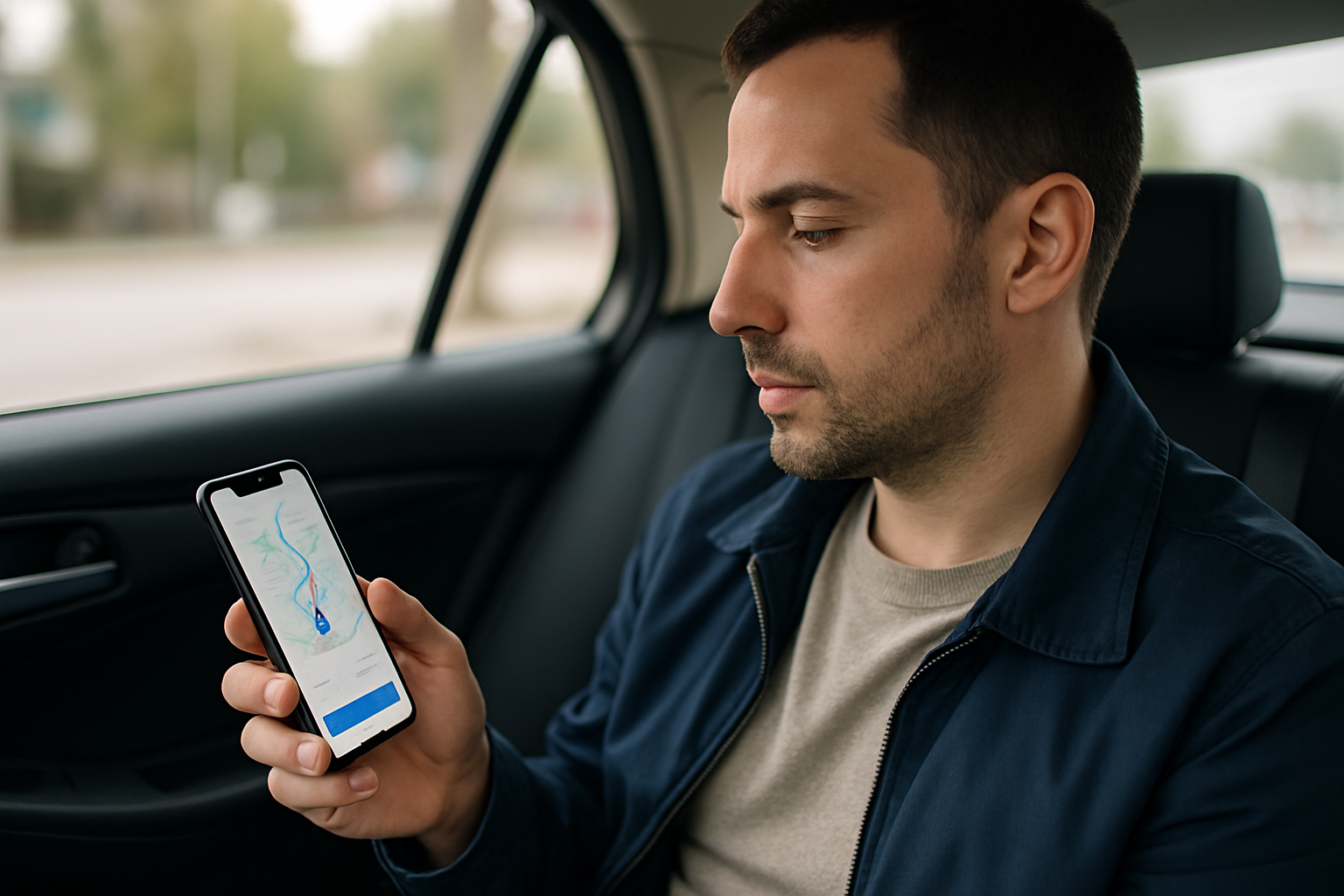
Protect your claim immediately. The single most important step is to open your Uber or Lyft app and screenshot the trip page — it proves your ride status, the driver’s info, and the time, which determines coverage. Then take the usual steps:
- Screenshot the trip details in the app right away.
- Get a police report and photograph the scene.
- Seek medical attention, even if you feel fine.
- Exchange information with all drivers involved.
- Avoid giving recorded statements before getting advice.
Bottom line: Uber and Lyft carry up to $1 million in coverage while a ride is active, but insurers point fingers and the contractor rules and arbitration clauses make claims tricky. Screenshot your trip, protect your evidence, and an Uber accident lawyer can cut through the confusion to get you paid.
What Coverage Applies in Each Rideshare Period?
Uber and Lyft coverage changes with the driver’s status, which is why proving the ‘period’ matters. When the app is off, only the driver’s personal insurance applies. When the app is on but no ride is accepted (Period 1), limited liability coverage applies. Once a ride is accepted or a passenger is aboard (Periods 2–3), the full up-to-$1 million policy is active.
This is exactly why screenshotting your trip matters so much — it proves which period was active, which determines how much coverage you can claim. A lawyer uses that proof to secure the highest applicable tier.
Do You Need a Lawyer for a Minor Uber Accident?
For a truly minor crash with no injuries, you may be able to handle it yourself. But rideshare claims get complicated fast — the finger-pointing between insurers, the contractor rules, and the arbitration clauses all favor the companies. If you were injured or the insurers are stalling, a free consultation with an Uber accident lawyer is low-risk, since most work on contingency and only get paid if you win.
Frequently Asked Questions
How much insurance does Uber carry for accidents?
Up to $1 million in third-party liability while a ride is active (‘Period 3’ — from accepting the ride until the passenger exits). Passengers injured when the rideshare driver is at fault are covered by this highest tier.
Who pays if you’re in an Uber accident?
It depends on fault. If your rideshare driver caused it, Uber/Lyft’s $1 million policy is primary. If another driver caused it, you pursue that driver, with Uber’s uninsured/underinsured coverage as backup. Insurers often point fingers, which a lawyer counters.
Can you sue Uber or Lyft directly?
It’s difficult. Rideshare drivers are independent contractors, so the usual employer-liability rule doesn’t apply, and Uber/Lyft often require disputes to go through arbitration. A lawyer knows how to work around these hurdles.
What should you do after an Uber accident?
Screenshot the trip in the app immediately — it proves ride status and time, which determine coverage. Then get a police report, photograph the scene, seek medical care, exchange information, and avoid recorded statements before getting legal advice.