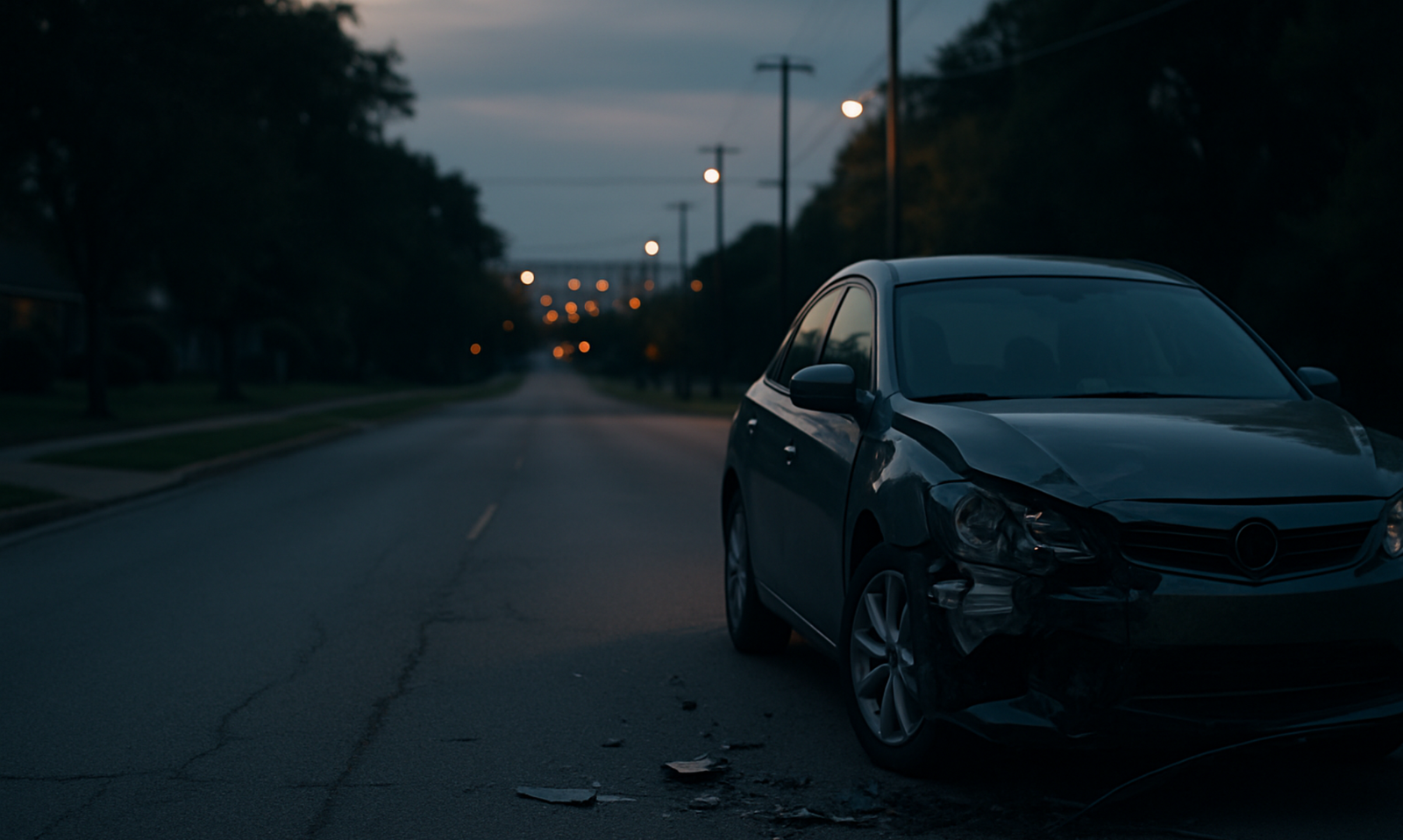

When the at-fault driver’s insurance won’t pay, you have several routes: get the denial in writing, file through your own collision coverage, escalate with a complaint to your state insurance department, or consult an attorney. A denial isn’t the end — many are reversible once you understand the reason and push back with documentation.
Key Takeaways
- Get the denial reason in writing — many denials come down to fixable gaps.
- You can file through your own collision coverage; your insurer recovers via subrogation.
- Your deductible is usually refunded once the other driver is proven at fault.
- File a complaint with your state insurance department if the denial seems unreasonable.
- For injuries or bad-faith denials, a free attorney consultation is worth it.
Why Would the Other Insurance Refuse to Pay?
Insurers deny or delay claims for a handful of common reasons, and knowing which one applies is the first step to fixing it. They may dispute who was at fault, question the extent of your damages, or claim their policyholder isn’t liable. Sometimes it’s simply missing documentation.
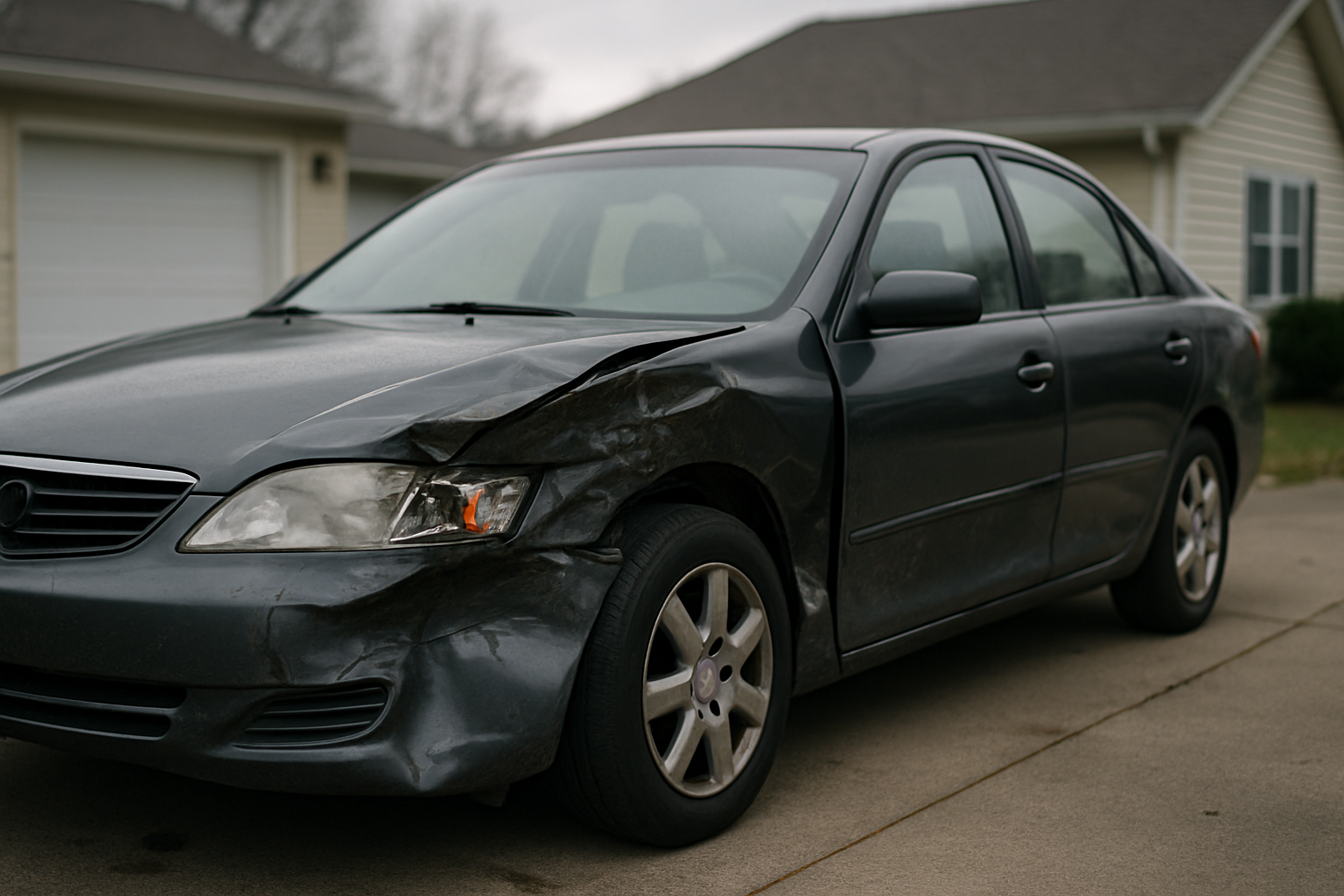
Always request the denial in writing with the specific reason stated. A vague phone refusal is much harder to challenge than a documented reason you can address directly with evidence.
Can You File Through Your Own Insurance Instead?
Yes — and it’s often the fastest fix. Even when the crash wasn’t your fault, you can file a claim through your own collision coverage. Your insurer pays for your repair, then pursues reimbursement from the at-fault driver’s insurer through a process called subrogation.
You’ll usually pay your deductible upfront, but it should be refunded once fault is established and your insurer recovers from the other side. This gets your car fixed without waiting on a stubborn third-party insurer.
How Do You Escalate a Denied Claim?
If you believe the denial is wrong, escalate methodically. Each step adds pressure and builds a record that you acted in good faith:
- Request the denial and its reason in writing.
- Respond with evidence — the police report, photos, and witness statements.
- Ask to escalate to a claims supervisor.
- File a complaint with your state’s Department of Insurance if the denial is unreasonable.
- Consult a personal injury attorney, especially if you were injured.
Your state insurance department can investigate insurers acting in bad faith, and that oversight alone often prompts a reversal.
When Can You Sue the At-Fault Driver Directly?
For property damage below your state’s small claims limit — typically $5,000 to $10,000 — you can sue the at-fault driver directly in small claims court, usually without a lawyer. This is a practical option when the damage is modest and the insurer won’t cooperate.
For injury claims or larger amounts, a personal injury attorney is the better route. Since most offer free consultations and work on contingency, there’s little downside to getting your case evaluated.
Should You Get a Lawyer if the Insurance Won’t Pay?
If you were injured or the insurer is denying a clearly valid claim, yes. A lawyer can cut through a bad-faith denial, prove liability, and value your claim properly — and represented claimants often recover substantially more, frequently enough to net more even after the contingency fee.
For a minor property-damage dispute with no injuries, small claims court or an insurance-department complaint may be enough. The free consultation helps you decide which path fits.
Bottom line: a refusal to pay isn’t final. Get the reason in writing, use your own collision coverage to get moving, escalate with evidence, and complain to your state insurance department if needed. For injuries or a bad-faith denial, a free attorney consultation is your strongest move.
How Long Can an Insurer Take to Decide?
Most states set deadlines for insurers to acknowledge and decide a claim — often a few weeks to acknowledge and 30 to 45 days to accept or deny after receiving proof. Unreasonable delays beyond those windows can themselves be a form of bad faith.
If your claim is stuck with no decision and no explanation, put your follow-up in writing and cite the timeline. A documented record of delay strengthens any later complaint to your state insurance department.
What Evidence Overturns a Denial Fastest?
Denials based on disputed fault or thin documentation are the most reversible. The strongest evidence to submit is objective and third-party:
The police report and any citation, clear scene and damage photos, independent witness statements, and dashcam footage if you have it. Send these in writing with a short cover note asking the insurer to reconsider, and keep copies of everything you submit.
Frequently Asked Questions
What can you do if the other driver’s insurance won’t pay?
Get the denial in writing, then file through your own collision coverage (your insurer recovers via subrogation), respond with evidence, escalate to a supervisor, or file a complaint with your state insurance department. For injuries or bad-faith denials, consult an attorney.
Can you use your own insurance if the accident wasn’t your fault?
Yes — file through your own collision coverage. Your insurer pays your repair and then pursues the at-fault insurer via subrogation. You pay your deductible upfront, but it’s usually refunded once fault is established.
What if the insurance company is acting in bad faith?
File a complaint with your state’s Department of Insurance, which can investigate insurers that unreasonably deny valid claims. Keep all correspondence in writing. For significant claims, a personal injury attorney can pursue a bad-faith case.
Can you sue the at-fault driver if their insurance won’t pay?
For property damage under your state’s small claims limit (often $5,000–$10,000), yes — usually without a lawyer. For injuries or larger amounts, consult a personal injury attorney, who typically offers a free consultation and works on contingency.