How Is Fault Determined in a Car Accident?

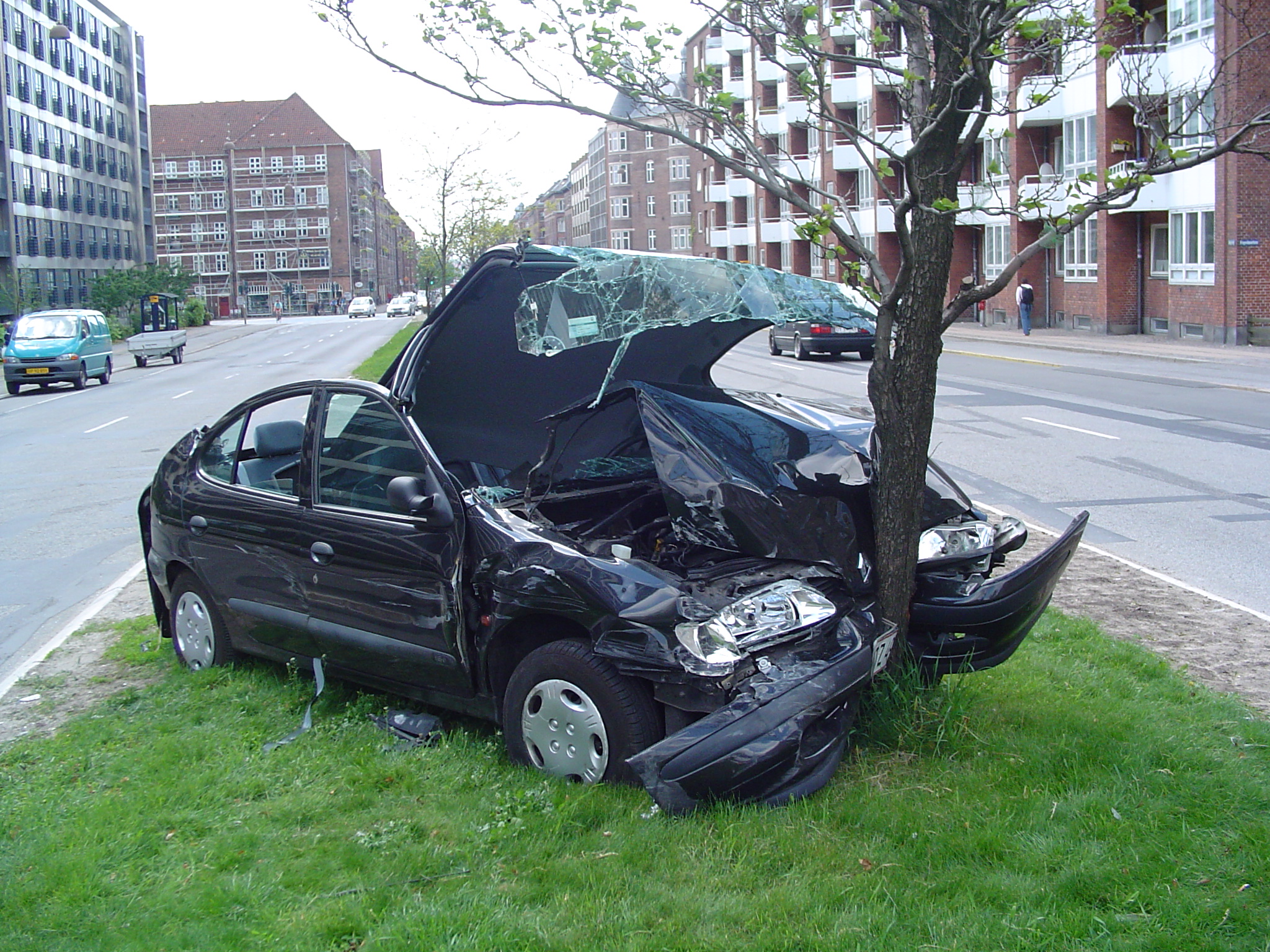
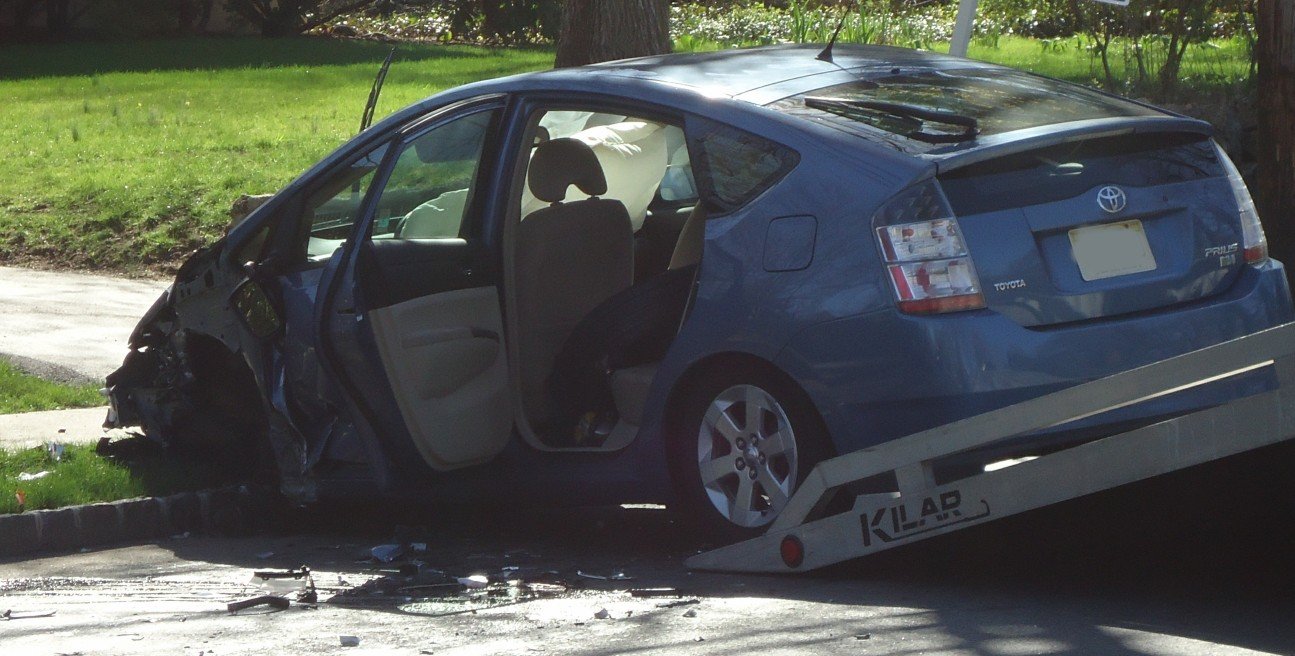
Crash scene with deployed airbags used to help determine fault

Fault determines who pays after a crash, and it’s decided by evidence — not by who apologizes at the scene. Insurers and, if needed, courts weigh police reports, photos, witness statements, and traffic laws to assign responsibility. In some states, being even 1% at fault can bar your recovery entirely.

Key Takeaways

  • Fault is decided by evidence, not on-the-spot apologies.
  • Police reports, photos, and witness statements carry the most weight.
  • Shared-fault rules vary by state and can reduce or block your recovery.
  • Never admit fault at the scene — let the evidence speak.

Who Decides Who Is at Fault?

In most cases, insurance adjusters make the first fault determination by reviewing the evidence. If the parties dispute it and the case goes to court, a judge or jury decides. Either way, the decision rests on documented facts — which is why what you collect at the scene matters so much.

What Evidence Is Used to Determine Fault?

Several types of evidence carry the most weight when assigning fault:

  • Police report — a neutral account, often including the officer’s assessment
  • Photos and video — vehicle damage, skid marks, traffic signals, dashcam footage
  • Witness statements — neutral third parties who saw the crash
  • Traffic laws — which driver violated a rule (e.g., ran a red light)
  • Vehicle damage patterns — which can show how the collision occurred

How Does Shared Fault Affect Your Claim?

Many crashes involve shared blame, and your state’s rules decide what that means. In pure comparative states, a 20% fault finding cuts a $100,000 award to $80,000. In strict contributory-negligence states like North Carolina, being even 1% at fault can bar recovery entirely.

Why You Should Never Admit Fault

A casual “I’m sorry” at the scene can be treated as an admission of fault, even if the other driver was mostly responsible. Stick to the facts with police and insurers, avoid speculation, and let the evidence determine fault. This single habit can protect thousands of dollars in your claim.

Being blamed for a crash that wasn’t your fault? A free attorney review can help you fight back.

Frequently Asked Questions

Does the police report decide who is at fault?

Not entirely. A police report carries significant weight and often includes the officer’s opinion, but insurers and courts make the final call using all available evidence. A report can be challenged with photos, witnesses, and other proof.

What if both drivers are partly at fault?

Your recovery depends on your state’s shared-fault rule. Most states reduce your award by your percentage of blame. A few strict states bar recovery if you’re even slightly at fault, so clear evidence of the other driver’s responsibility is critical.

Can fault be changed after the insurer decides?

Yes. An insurer’s fault determination isn’t final. You can dispute it with additional evidence, and if negotiation fails, the matter can go to court. An attorney can help gather proof and challenge an unfair fault decision.

Conclusion

Fault is the foundation of every car accident claim, and it’s built on evidence. Document the scene thoroughly, never admit blame, and understand your state’s shared-fault rules. When fault is disputed — especially in strict states — a free legal consultation can protect your right to recover.

Related Guides

Hit by an Uninsured Driver: What to Do and How to Get Paid

Two vehicles in a collision after being hit by an uninsured driver

If an uninsured driver — or a hit-and-run driver — causes your crash, your own Uninsured Motorist (UM) coverage usually becomes your main path to compensation (Progressive, 2026). In most states, a driver who flees is treated as “uninsured,” so the same coverage applies.

Key Takeaways

  • Your Uninsured Motorist (UM) coverage is usually your main recovery source.
  • Hit-and-runs are typically treated as “uninsured” claims.
  • UM claim deadlines can be short — sometimes as few as 30 days.
  • Suing an uninsured driver rarely pays, since they often have no assets.

What Should You Do at the Scene?

Call 911 and get a police report — it’s especially important with uninsured drivers and hit-and-runs (State Farm, 2026). Document everything with photos, and for a hit-and-run, note any plate, make, or model details. Don’t chase a fleeing driver — your safety comes first.

What Is Uninsured Motorist (UM) Coverage?

UM coverage steps in when the at-fault driver has no insurance — your own insurer essentially “stands in the shoes” of the at-fault driver. It usually has two parts:

  • Uninsured Motorist Bodily Injury (UMBI): covers your injuries
  • Uninsured Motorist Property Damage (UMPD): covers damage to your car (in some states)

UM coverage can even apply if you’re hit as a pedestrian or in someone else’s car.

How Do You File a UM Claim?

Report the claim to your own insurer as soon as possible and ask whether UM coverage applies. Watch the deadline closely — some insurers allow as few as 30 days for UM claims (Nolo, 2026). An adjuster will investigate, so keep your police report, photos, and medical records ready.

What Other Coverage Can Help?

If you don’t have UM coverage, or want to supplement it, these may help:

  • Collision coverage — repairs your car regardless of fault (after your deductible)
  • MedPay or PIP — covers medical bills regardless of fault
  • Health insurance — a fallback for medical costs (not lost wages)

Can You Sue an Uninsured Driver?

You can, but manage expectations. Even if you win a judgment, drivers who can’t afford insurance often have no assets to collect from — so enforcing it can be a losing battle. For most people, a UM claim through their own policy is the realistic path to compensation.

UM claim denied or delayed? A free attorney review can help you push your own insurer.

Frequently Asked Questions

Does my insurance cover a hit-and-run?

Usually yes, through Uninsured Motorist coverage, since a fleeing driver is typically treated as “uninsured.” Collision coverage can also repair your car. Report the hit-and-run to police quickly — often within 24 to 72 hours — to protect your claim.

How long do I have to file an uninsured motorist claim?

Deadlines can be short — some insurers allow as few as 30 days for UM and underinsured claims. File as soon as you learn the other driver has no or insufficient insurance. Check your policy and report promptly to avoid losing coverage.

What if I don’t have uninsured motorist coverage?

You may still use collision coverage for vehicle damage and MedPay or PIP for medical bills, both of which apply regardless of fault. Health insurance can help with medical costs. Suing the driver directly is an option but often doesn’t pay.

Conclusion

Being hit by an uninsured or hit-and-run driver is stressful, but you usually have options. Call the police, document everything, and file promptly under your own UM coverage — mindful of short deadlines. Because rules vary by state, a free legal consultation can help with serious or disputed claims.

Related Guides

How Long Does a Car Accident Settlement Take?

Clock representing how long a car accident settlement takes

Insurers typically respond to a demand letter within 30 to 45 days, but a complete settlement usually takes at least two months — and often longer (Nolo, 2026). The timeline depends on injury severity, fault disputes, and which insurer you’re dealing with.

Key Takeaways

  • Insurers usually respond to a demand letter within 30–45 days.
  • A full settlement typically takes at least two months, sometimes much longer.
  • Counteroffers are the most common first response — the opening offer is usually low.
  • Send your demand letter only after reaching maximum medical improvement.

How Long Until the Insurer Responds to a Demand Letter?

Most insurers respond to a demand letter within 30 to 45 days, and many people set 30 days as a reasonable deadline (Nolo, 2026). Some respond faster; smaller insurers can take months. The response starts negotiations — it rarely ends them.

What Are the Possible Responses?

After reviewing your demand letter, the insurer will usually do one of four things:

  • Accept your demand and pay the amount (least common)
  • Request more information — medical records, bills, or documentation
  • Deny liability and refuse to pay
  • Counteroffer with a lower amount (most common)

Counteroffers are normal. The first offer is a starting point, usually below what your claim is worth.

What Affects the Overall Timeline?

There’s no fixed timeframe, but several factors push it longer:

  • Case complexity — severe injuries or disputed fault take longer
  • Demand size — higher demands get more scrutiny
  • The insurer — some are efficient, others stall to minimize payouts
  • Information requests — respond promptly to avoid delays

When Should You Send the Demand Letter?

Send it only after reaching maximum medical improvement — the point where your doctor confirms your recovery is stable. Settling before then risks underestimating your costs, and once you accept, the settlement is final. Confirm the full extent of your injuries first.

What If the Insurer Stalls or Won’t Respond?

Follow up with the adjuster or their supervisor to check your claim’s status. If they keep stalling, filing — or threatening to file — a lawsuit can restart negotiations, since insurers prefer to avoid the cost and unpredictability of court. Keep an eye on your state’s statute of limitations throughout.

Is your settlement dragging on? A free attorney review can tell you whether the insurer is stalling.

Frequently Asked Questions

How long does an insurer have to respond to a demand letter?

There’s no universal legal deadline, but insurers typically respond within 30 to 45 days. Many people set a 30-day deadline in the letter itself. If there’s no response, follow up with the adjuster or their supervisor to keep the claim moving.

Why is the first settlement offer so low?

The first offer is a negotiating starting point, not a final number. Counteroffers are the most common response to a demand letter. Expect back-and-forth before reaching a fair amount, and don’t accept the opening figure without understanding your full costs.

Can I speed up my settlement?

Partly. Responding quickly to information requests and submitting complete documentation helps. But you shouldn’t settle before reaching maximum medical improvement, since that risks undervaluing your claim. A complete, well-documented demand often settles faster.

Conclusion

Expect an initial response within about 30 to 45 days, but plan for the full settlement to take at least two months — longer for complex or high-value cases. Document thoroughly, don’t settle too early, and follow up if the insurer stalls. When delays drag on, a free legal consultation can help.

Related Guides

How Long Do You Have to File a Car Accident Claim? (2026 Guide)

Calendar and paperwork representing the deadline to file a car accident claim

Most U.S. states give you just 2 to 3 years to file a car accident claim, and the clock starts ticking the day of the crash (ConsumerShield, 2026). Miss that deadline, called the statute of limitations, and a court will almost certainly throw out your case — no matter how strong it is.

Key Takeaways

  • Most states allow 2–3 years to file a personal injury claim after a crash.
  • The deadline starts on the date of the accident, not when you finish treatment.
  • Claims against a government vehicle can have deadlines as short as 6 months.
  • Missing the deadline almost always means losing your right to compensation.

What Is the Statute of Limitations for a Car Accident?

The statute of limitations is a strict legal deadline for filing a lawsuit. For car accidents, most states set it at 2 to 3 years from the crash date. A few allow up to 5 years or more, while claims involving government vehicles can require action within months.

The purpose is to keep evidence fresh and resolve disputes while memories and records still exist. Once the window closes, your legal right to sue usually disappears.

When Does the Clock Start Ticking?

In most cases, the deadline starts on the exact date of the accident. So if your state allows three years and your crash happened on May 20, 2026, you generally have until May 20, 2029 to file. Waiting until the last minute is risky — building a strong case takes time.

What Exceptions Can Change the Deadline?

Several exceptions can extend or shorten the standard deadline. Knowing whether one applies to you can be the difference between a valid claim and a dismissed one.

  • Minors: If the injured person is under 18, the clock often does not start until they turn 18.
  • Government vehicles: Crashes involving a city bus or government car may require a formal notice within 6 months.
  • Delayed discovery: If an injury is discovered later, some states extend the deadline.
  • Property damage vs injury: Many states set different deadlines for each (for example, California allows 2 years for injury but 3 for property damage).

What Happens If You Miss the Deadline?

If you file after the statute of limitations expires, the court will almost always dismiss your case. The at-fault driver’s insurer knows this too, so they have little reason to negotiate once your window closes. Acting early protects your leverage and your right to recover.

Not sure how much time you have left? A local attorney can confirm your state’s deadline for free.

Frequently Asked Questions

Is the deadline the same in every state?

No. Most states fall in the 2-to-3-year range, but some differ. For example, several states allow longer for property damage than for injury. Always confirm the exact deadline for the state where the accident happened.

Does the deadline apply to insurance claims too?

The statute of limitations applies to lawsuits. Insurance companies often set their own, much shorter, reporting deadlines — sometimes just days. Report your crash to your insurer promptly, separate from the legal filing deadline.

Can the deadline ever be extended?

Sometimes. Exceptions for minors, delayed-discovery injuries, or a defendant who left the state can pause or extend the clock. These rules are complex and vary by state, so confirm with a licensed attorney.

Conclusion

Time is one of the most important factors in any car accident claim. Most people have 2 to 3 years, but exceptions can shorten that window fast. The safest move is to confirm your state’s deadline early and start building your case well before it expires.

Related Guides

How Much Is the Average Car Accident Settlement? (2026)

Calculator and money representing how a car accident settlement is calculated

The median car accident settlement is about $5,342, but the range is huge — the top 5% of cases pay $97,500 or more (Settlement Insight, 2026). Your payout depends mostly on injury severity, clear fault, and how well you document the crash.

Key Takeaways

  • The median settlement is around $5,342; most claims fall under $10,000.
  • Minor injuries typically settle for $2,000–$15,000; severe injuries can exceed $100,000.
  • Adjusters use a “multiplier method”: medical bills × 1.5 to 5, plus lost wages.
  • First offers are usually low — never accept without understanding your full injuries.

What Is the Average Car Accident Settlement?

Across thousands of real claims, the median payout is about $5,342, with most settling under $10,000 (Settlement Insight, 2026). But averages mislead — a long tail of severe cases pushes the top 10% above $35,000 and the top 5% past $97,500.

In short: there is no single “average.” Your number depends on the specifics of your injury and case.

How Are Settlement Amounts Calculated?

Insurers typically use the multiplier method: they multiply your total medical bills by a factor of 1.5 to 5 based on injury severity, then add lost wages and property damage. So $15,000 in medical bills with a 3x multiplier yields $45,000 for pain and suffering, plus economic losses on top.

What Settlement Can You Expect by Injury Severity?

Injury severity is the single biggest driver of value. Here are typical ranges based on 2026 industry data:

  • Minor (soft tissue, whiplash): $2,000–$15,000
  • Moderate (fractures): $15,000–$50,000
  • Severe / catastrophic: $50,000 to $1 million or more
  • Property damage only (no injury): $500–$25,000

What Else Affects Your Payout?

Your state’s fault rules matter a lot. In “pure comparative negligence” states like California, a 20% fault finding cuts a $100,000 settlement to $80,000. In strict states like North Carolina, being even 1% at fault can bar recovery entirely. Clear evidence of the other driver’s fault is essential.

Wondering what your case is really worth? Get a free settlement estimate from a local attorney.

Frequently Asked Questions

How long does a car accident settlement take?

Most settle within 3 to 12 months. Simple cases with clear fault and minor injuries take 3–6 months, while serious-injury or disputed cases can take a year or more. Fewer than 5% of cases ever go to trial.

Should I accept the first settlement offer?

Usually not. Initial offers are typically below actual case value. Once you accept, the settlement is final — you cannot ask for more later, even if you need additional treatment. Understand your full injuries first.

Does hiring a lawyer increase my settlement?

Often, yes. Legal sources report represented claimants recover meaningfully more on average, though these figures come from law firms and should be viewed with some caution. Most injury attorneys work on contingency, so there is no upfront cost.

Conclusion

There is no one-size-fits-all settlement figure. The median sits near $5,342, but your real number depends on injury severity, fault rules, and documentation. Before accepting any offer, make sure it reflects the full, long-term cost of your injuries.

Related Guides

Do You Need a Lawyer for a Minor Car Accident?

Person consulting a lawyer about whether to hire representation for a minor car accident

For a genuine fender-bender with no injuries and clear fault, you often don’t need a lawyer. But the moment injuries, disputed fault, or a lowball offer appear, hiring one can pay off — some sources report represented claimants recover meaningfully more on average (Morgan & Morgan, 2025).

Key Takeaways

  • You may not need a lawyer for property-damage-only crashes with clear fault.
  • Hire one if there are injuries, disputed fault, denials, or settlement pressure.
  • “Minor” injuries like whiplash can surface days later — see a doctor regardless.
  • Most injury attorneys work on contingency, so there’s no upfront cost.

When Do You NOT Need a Lawyer?

You can often handle a claim yourself when the case is truly simple. If there are no injuries, fault is clear and uncontested, and the insurer cooperates fairly, hiring a lawyer may cost more than it’s worth.

  • Property damage only, no medical treatment needed
  • The other driver clearly admits responsibility
  • The insurer offers a fair amount covering all repair costs
  • You feel no pressure to sign anything before you’re ready

When Is a Lawyer Worth It?

Legal help becomes valuable the moment red flags appear. Delayed symptoms, disputed fault, and pressure to sign releases can shrink your compensation fast. A free consultation carries little downside when any of these are present.

  • The insurer denied your claim or is rushing you to settle
  • You face significant medical bills or missed work
  • You’re asked to sign a release before treatment is complete
  • A loved one was seriously injured or killed

Why “Minor” Accidents Can Become Serious

Car accident injuries aren’t always obvious right away. Adrenaline can mask whiplash, concussions, and soft-tissue damage that appear days or weeks later. That’s why doctors and attorneys both recommend getting checked out promptly — even after a crash that felt minor.

Prompt medical records also tie any later-discovered injury back to the crash, protecting your claim.

How Much Does a Car Accident Lawyer Cost?

Most personal injury lawyers work on a contingency fee, meaning you pay nothing upfront. Their fee comes out of your final settlement only if they win. Combined with free consultations, this means you can learn your options at no financial risk before deciding.

Not sure if your accident is “minor”? A free case review costs nothing and clarifies your options.

Frequently Asked Questions

Can I settle a car accident claim without a lawyer?

Yes, for simple property-damage cases with clear fault and no injuries. You exchange information, file with the insurer, and negotiate the repair cost. For anything involving injuries or disputed fault, a lawyer often recovers more than the fees cost.

Is it worth getting a lawyer for whiplash?

Often yes. Whiplash settlements typically range from $10,000 to $25,000 depending on treatment and impact. Insurers frequently undervalue soft-tissue injuries, so legal help can be worthwhile if symptoms persist or the offer seems low.

How soon should I contact a lawyer after a crash?

The sooner the better if injuries or disputes are involved. Early involvement preserves evidence, prevents costly mistakes with insurers, and ensures you don’t miss your state’s filing deadline. Most consultations are free.

Conclusion

If your accident is truly minor — no injuries, clear fault, fair insurer — you can likely handle it yourself. But if injuries, disputes, or settlement pressure enter the picture, a free consultation with a contingency-fee attorney is a low-risk way to protect what you’re owed.

Related Guides

How to File a Car Accident Insurance Claim (Step by Step)

Insurance claim documents and money for a car accident claim

Filing a car accident insurance claim comes down to a few clear steps: report promptly, document everything, and avoid accepting the first lowball offer. With about 2.42 million people injured in U.S. crashes in 2024 (Advocates for Highway and Auto Safety, citing NHTSA, 2025), insurers process millions of these claims — knowing the process protects your payout.

Key Takeaways

  • Report the crash to your insurer promptly — some deadlines are just days.
  • Document damage, injuries, and the scene before anything is repaired.
  • You’re not required to give a recorded statement to the other driver’s insurer.
  • First offers are usually low; don’t accept before knowing your full costs.

Step 1: Report the Accident to Your Insurer

Notify your insurance company as soon as possible after the crash. Many policies require “prompt” notice, and some set deadlines of just a few days. Reporting early starts your claim and avoids giving the insurer a reason to deny it later.

Step 2: Gather and Submit Documentation

Strong documentation is what moves a claim forward smoothly. Submit everything you collected at the scene, plus any follow-up records.

  • Photos of all vehicle damage and the accident scene
  • The police report number
  • The other driver’s insurance and contact details
  • Medical records and bills, if you were injured

Step 3: Work With the Claims Adjuster

An adjuster will review your claim, inspect the damage, and estimate a payout. Be factual and cooperative with your own insurer. But you are not required to give a recorded statement to the other driver’s insurance company — those statements can be used to reduce your claim.

Step 4: Review the Settlement Offer Carefully

Initial settlement offers are typically below the real value of your claim. Once you accept, it’s final — you can’t reopen the claim if you later need more treatment or repairs. Make sure the offer covers all current and likely future costs before signing.

Insurer offering less than you expected? A free attorney review can tell you if it’s fair.

Frequently Asked Questions

How long do I have to file an insurance claim?

Insurance deadlines are separate from legal ones and are usually much shorter — sometimes just a few days to report. Check your policy and notify your insurer immediately. The legal statute of limitations for a lawsuit is typically 2 to 3 years.

Should I file with my insurer or the other driver’s?

It depends on fault and your state. In no-fault states, you file with your own insurer first. In at-fault states, you may claim against the responsible driver’s policy. When unsure, report to your own insurer and ask how to proceed.

What if my claim is denied?

A denial isn’t always final. Ask for the reason in writing, fix any missing documentation, and appeal. If the denial seems unfair or involves serious injuries, a free attorney consultation can help you challenge it.

Conclusion

Filing a car accident insurance claim is manageable when you act fast and document thoroughly. Report promptly, keep detailed records, and scrutinize any settlement offer before accepting. When injuries or denials complicate things, a free legal review can protect what you’re owed.

Related Guides

What to Do After a Car Accident: A Step-by-Step Guide (2026)

Damaged car at the scene of a road traffic accident

In 2024, roughly 2.42 million people were injured in motor vehicle crashes across the United States (Advocates for Highway and Auto Safety, citing NHTSA, 2025). The minutes right after a crash shape your health, your insurance claim, and any legal case. This guide walks you through what to do, step by step.

Key Takeaways

  • Never leave the scene — stop, turn on hazards, and check for injuries first.
  • Call 911 and get a police report; it is critical for insurance and legal claims.
  • See a doctor even if you feel fine — some injuries appear hours or days later.
  • Document everything and avoid admitting fault at the scene.

What Should You Do Immediately After a Car Accident?

Stop your vehicle, stay calm, and check everyone for injuries before doing anything else. Leaving the scene of an injury crash is a crime in every U.S. state. Move to the shoulder if the cars are drivable and it is safe, then turn on your hazard lights to warn other drivers.

If anyone is hurt or the road is blocked, leave the vehicles where they are and wait for police. Your safety comes before paperwork.

When Should You Call 911 and the Police?

Call 911 any time there are injuries, major damage, or a disagreement about fault. A police report creates an official record that insurers and attorneys rely on. With about 36,640 people projected to have died in crashes in 2025 (NHTSA, 2026), responders treat every call seriously.

Even for minor fender-benders, many states require you to report a crash involving injury or damage above a set dollar amount. When in doubt, call.

What Information Should You Exchange and Document?

Collect every detail you can before leaving the scene — memories fade and cars get repaired fast. Strong documentation is the single biggest factor in how smoothly a claim goes.

Exchange with the other driver

  • Full name and contact information
  • Driver’s license number
  • License plate and vehicle make/model
  • Insurance company and policy number

Document the scene yourself

  • Photos of all vehicle damage, from multiple angles
  • Road conditions, traffic signs, and signals
  • Any visible injuries
  • Names and phone numbers of witnesses

Why You Should Avoid Admitting Fault

Stick to the facts and never say “I’m sorry” or “it was my fault” at the scene. Fault is decided later by insurers and, if needed, the courts — based on evidence, not on-the-spot apologies. A casual admission can be used against you even if the other driver was mostly responsible.

Describe what happened plainly to the police, but avoid speculation about who caused the crash.

When Should You See a Doctor and Notify Your Insurer?

See a doctor as soon as possible — even if you feel fine. Injuries like whiplash, concussions, and internal trauma often show up hours or days later. Prompt medical records also link your injuries directly to the crash, which protects any future claim.

Notify your insurance company quickly to start the claims process. Give them the facts and your documentation, but you are not required to give a recorded statement to the other driver’s insurer.

Injured in a crash that wasn’t your fault? A local attorney can review your case for free.

Find out what your claim may be worth before talking to the insurance company.

Frequently Asked Questions

How long do I have to file a car accident claim?

Most U.S. states give you 2 to 3 years to file a personal injury claim after a car accident, though some are shorter. The deadline (called the statute of limitations) varies by state, so check your state’s rules or ask an attorney before time runs out.

Should I call the police for a minor accident?

Yes, in most cases. A police report creates an official record even for minor crashes, and many states legally require reporting if there is injury or damage above a set amount. It also protects you if the other driver later changes their story.

Do I need a lawyer after a car accident?

Not always. For minor crashes with no injuries, you may handle it yourself. But if you were injured, fault is disputed, or the insurer offers a low settlement, a lawyer can often increase your recovery. Most offer free consultations.

Conclusion

The steps you take in the first hour after a crash can protect your health and your claim for months afterward. Stay safe, call for help, document everything, and get checked by a doctor. When injuries or disputes are involved, talking to a qualified attorney is often the smartest next step.

Related Guides