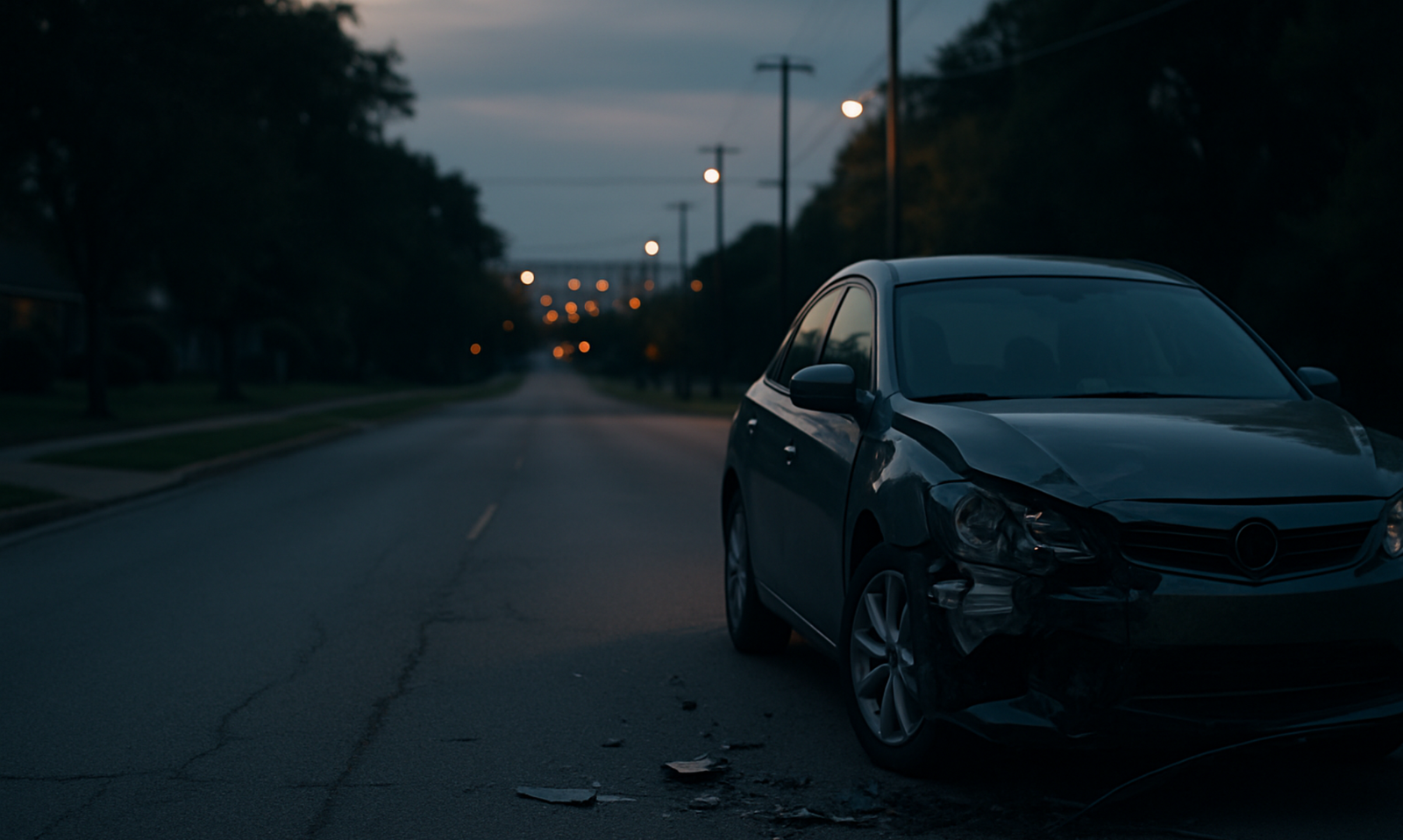

A motorcycle accident lawyer is often essential because injured riders face a built-in prejudice — ‘biker bias’ — that assumes they were reckless simply for riding. This bias shapes police reports, insurance adjusters, and juries, even though most crashes are caused by drivers who fail to see riders. A lawyer replaces assumptions with hard evidence.
Key Takeaways
- ‘Biker bias’ wrongly assumes riders are reckless — it affects every stage of a claim.
- Most motorcycle crashes are caused by drivers, often left-turn ‘SMIDSY’ collisions.
- Bias can inflate your comparative-fault percentage and slash your settlement.
- Insurers use helmet and gear as a distraction from who actually caused the crash.
- A lawyer counters bias with black-box data, witnesses, and reconstruction experts.
What Is Biker Bias?
Biker bias is the unfair assumption that motorcyclists are reckless or partly to blame for a crash simply because they ride. It influences insurance adjusters, police officers, and juries — sometimes openly (‘he must have been speeding’) and sometimes subtly (believing the driver’s account while doubting the rider’s).
This prejudice is why motorcycle claims are uniquely hard — not because injuries are worse, but because the deck is stacked before evidence is even examined. For how blame affects payouts generally, see our guide on comparative fault.

Why Does Bias Start at the Accident Scene?
The prejudice often begins before any evidence is examined. Onlookers may speculate about ‘reckless riding,’ and those ideas find their way into initial police reports. Worse, an injured rider is frequently taken to the hospital and can’t give their side — so the driver speaks first, and a rushed ‘the motorcycle came out of nowhere’ note can shape the claim for months.
In reality, most motorcycle accidents happen because drivers don’t see riders or violate their right of way. The classic example is the left-turn ‘SMIDSY’ crash (Sorry, Mate, I Didn’t See You), where a driver turns across an oncoming rider’s path.
How Does Bias Affect Your Fault and Compensation?
Bias becomes costly under comparative-fault rules, where any blame assigned to you reduces your recovery. Adjusters may inflate your fault percentage based on assumptions about lane position or speed. Even a modest increase — 15% or 20% — can cut a settlement by tens or hundreds of thousands of dollars.
The rules vary by state: modified comparative fault bars recovery if you’re 50%+ at fault; pure comparative negligence reduces your award by your percentage; and in strict contributory-negligence states like North Carolina, even 1% fault can bar you entirely — giving insurers huge incentive to blame riders.
How Do Insurers Use Your Helmet and Gear Against You?
Insurers frequently try to weaponize safety equipment, even when it’s irrelevant to fault. Whether you wore a helmet doesn’t determine who caused the crash, yet adjusters scrutinize gear with absurd intensity — suggesting leg injuries were ‘your fault’ for not wearing armored pants.
A motorcycle accident lawyer keeps the focus where it belongs: on the driver’s actions, not your gear. Helmet use may matter only to injury severity in some states, never to who is liable for the crash itself.
How Does a Lawyer Fight Biker Bias?
The key is replacing assumptions with objective evidence. A skilled lawyer secures physical proof and tests witness accounts against real crash data. They use event data recorders (black boxes) showing speed and braking, traffic-camera footage, and accident-reconstruction experts to prove the driver’s negligence.
Just as importantly, a lawyer reframes the narrative around verifiable facts rather than prejudice — neutralizing biased assumptions before they influence a settlement or verdict. Early intervention, before you talk to adjusters, matters most.
What Should You Do After a Motorcycle Crash?
Protect your own claim from the start. Photograph the scene, your injuries, and the bike; save your helmet and gear if they show impact; keep every medical record; and follow your treatment plan. Crucially, avoid discussing fault or apologizing — even a polite ‘I’m sorry’ can be twisted into an admission that feeds biker stereotypes.
Then consult a motorcycle accident lawyer before any settlement talks. Since most offer free consultations and work on contingency, getting advice early is low-risk — see our complete car accident lawyer guide.
Bottom line: motorcycle claims are uniquely hard because of biker bias, not because injuries are worse. A lawyer neutralizes that bias with objective evidence and keeps the focus on the driver’s fault. Protect your own claim early, avoid admitting fault, and consult a lawyer before settlement talks.
Why Are Motorcycle Injuries Often More Severe?
Riders have far less protection than people in cars, so even a low-speed crash can cause serious injuries — road rash, broken bones, spinal damage, and traumatic brain injuries. Ironically, insurers use this severity against riders, questioning whether injuries are ‘really that bad’ or claiming gear should have prevented them.
This makes thorough medical documentation essential. A lawyer ties your injuries directly to the crash with clear records, countering the adjuster’s skepticism and ensuring the full extent of your harm is accounted for in any settlement.
Frequently Asked Questions
What is biker bias?
Biker bias is the unfair assumption that motorcyclists are reckless or partly to blame for a crash just because they ride. It influences police reports, insurance adjusters, and juries — often before any evidence is examined — and can unfairly reduce a rider’s compensation.
Do most motorcycle accidents get caused by riders?
No. Most are caused by drivers who don’t see riders or violate their right of way — commonly the left-turn ‘SMIDSY’ crash. Despite this, insurers often start with an assumption that the rider was reckless, which a lawyer must counter with evidence.
Can insurers use my helmet against me?
They try to, even though whether you wore a helmet doesn’t determine who caused the crash. Helmet use may only matter to injury severity in some states. A lawyer keeps the focus on the driver’s actions, not your safety gear.
How does a motorcycle accident lawyer help?
They replace biased assumptions with hard evidence — black-box data, traffic footage, witness accounts, and reconstruction experts — to prove the driver’s fault. They also reframe the narrative around facts before bias can influence a settlement or verdict.