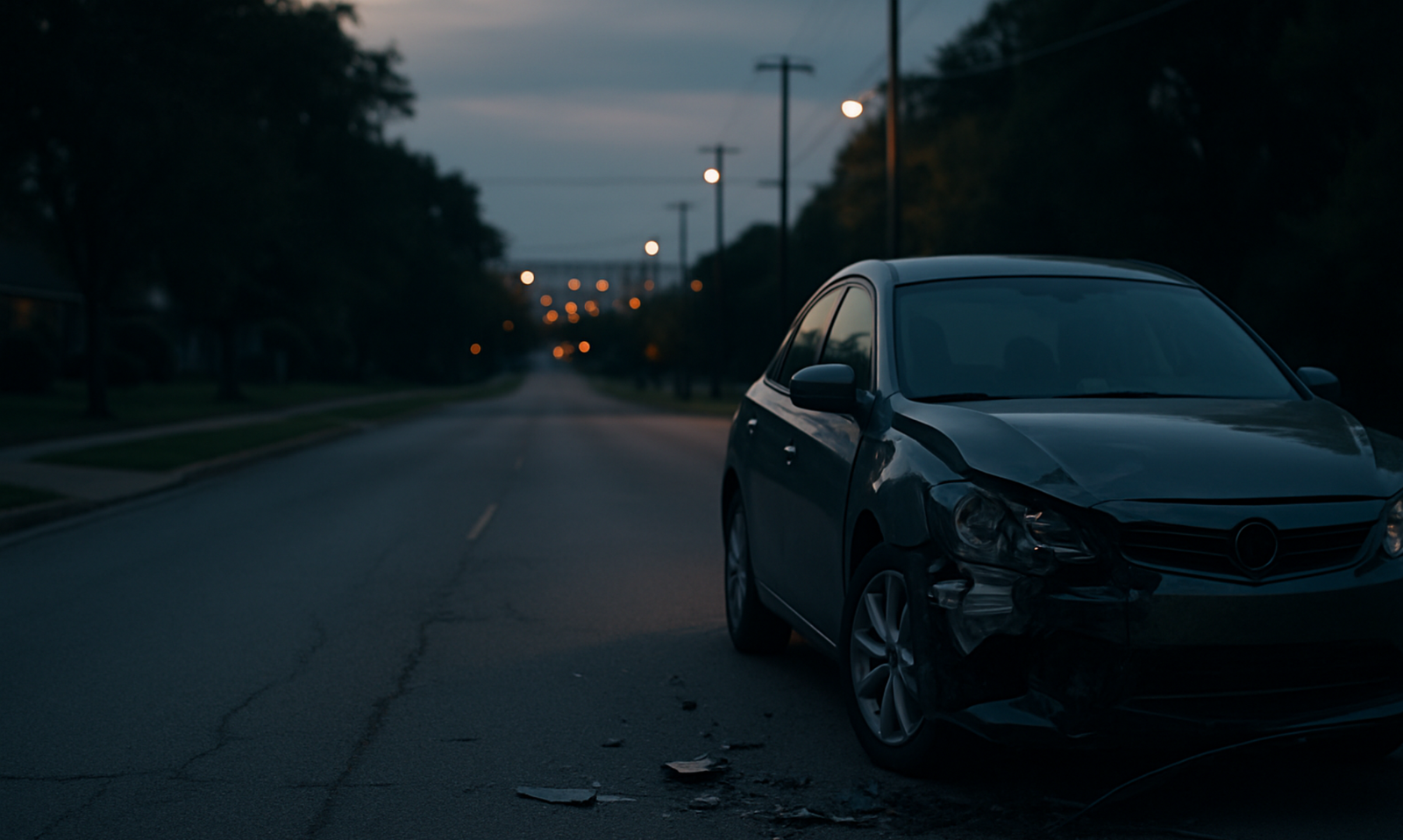
Driving without insurance is illegal in almost every state, and getting caught can mean fines from $50 to $1,500 for a first offense, license suspension, and an SR-22 filing (WalletHub, 2026). Cause an accident while uninsured, and you could be personally on the hook for thousands.
Key Takeaways
- First-offense fines range from $50 to $1,500, plus possible license suspension.
- You may need an SR-22 filing, raising your premiums for 3 to 5 years.
- Cause a crash while uninsured and you can be sued and pay out of pocket.
- “No pay, no play” laws can limit what uninsured drivers recover, even when not at fault.
What Are the Penalties for Driving Without Insurance?
Penalties escalate fast. A first offense typically brings a fine of $50 to $1,500 and a 30-to-90-day license suspension; repeat offenses can cost $500 to $5,000 or more (MoneyGeek, 2026). Many states also require an SR-22 certificate to reinstate your license.
Can Your License Be Suspended or Car Impounded?
Yes to both. Expect 30 to 90 days of suspension for a first offense and longer for repeats. States like California and Michigan authorize immediate impoundment when you can’t show proof of insurance — and you’ll pay towing ($100–$300), daily storage ($20–$50), and release fees before getting your car back.
What Happens If You Cause an Accident While Uninsured?
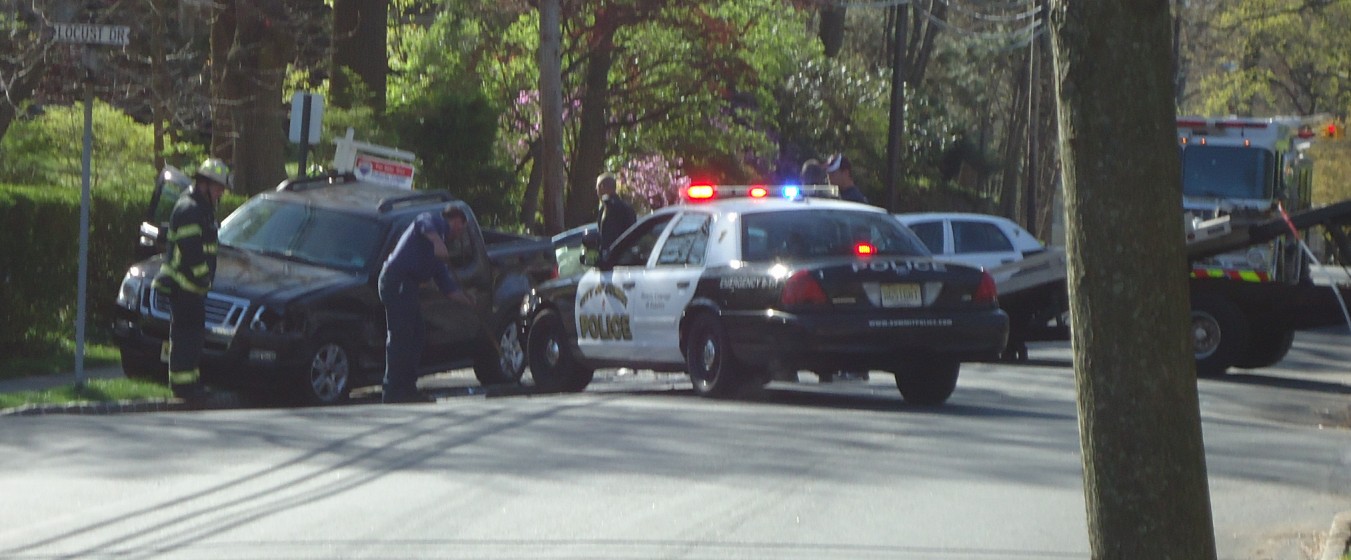
This is the worst case. On top of the standard penalties, you become personally responsible for the other driver’s injuries and property damage — potentially tens or hundreds of thousands of dollars. The other driver’s insurer can sue you directly, and in serious cases this can lead to overwhelming debt.
What If You’re Uninsured but the Crash Wasn’t Your Fault?
You can still face penalties for driving uninsured. Worse, several states — including California, Michigan, and New Jersey — have “no pay, no play” laws that limit an uninsured driver’s ability to recover non-economic damages like pain and suffering, even when the other driver caused the crash. Exceptions sometimes apply, such as a drunk at-fault driver.
Were you hit by an uninsured driver? A free attorney review can explain how to recover.
How Can You Get Car Insurance After a Lapse?
A coverage lapse makes you a higher-risk driver in insurers’ eyes, which raises premiums, but you can still get insured. Shop around, since prices for high-risk drivers vary widely between companies. Some states require an SR-22 — a certificate your insurer files proving you carry the state minimum — after a lapse or violation.
The sooner you reinstate coverage, the faster your record improves. Continuous insurance for six months to a year usually starts bringing rates back down, so getting covered again quickly is both a legal fix and a financial one.
What Should You Do Immediately If You’re Caught Uninsured?
If you’re cited for driving without insurance, act fast to limit the damage. The steps you take in the following days affect penalties, reinstatement, and future rates:
- Get insured right away to stop the violation from continuing.
- Comply with any court dates or fines — ignoring them worsens penalties.
- File an SR-22 if your state requires one.
- Address any license suspension or registration hold promptly.
- Keep proof of your new coverage in the car going forward.
Driving uninsured is a gamble that rarely pays off — the cost of a single at-fault crash while uninsured dwarfs years of premiums.
How Long Does an Insurance Lapse Affect You?
A lapse typically follows you for several years. Insurers view any gap in coverage as a risk marker, so premiums stay elevated for a while — often a few years — even after you reinstate. The good news is the impact fades: maintaining continuous coverage steadily rebuilds your standing.
The practical lesson is to never let coverage lapse in the first place if you can avoid it. If money is tight, dropping to a cheaper policy or higher deductible is almost always better than going uninsured, which risks fines, suspension, and catastrophic liability.
Does Insurance Follow the Car or the Driver?
Generally, car insurance follows the vehicle, not the driver — so if you lend your car to someone who crashes it, your policy is usually the one on the hook. This is why driving uninsured is risky even in someone else’s car, and why you should know a borrowed vehicle is insured before you drive it.
There are exceptions, and rules vary by state and policy, but the core lesson holds: never assume you’re covered in a car whose insurance status you don’t know.
Frequently Asked Questions
How much is the fine for driving without insurance?
First-offense fines typically range from $50 to $1,500 depending on the state. Repeat offenses cost $500 to $5,000 or more, plus court costs and reinstatement fees. Some states add jail time for repeat offenders.
What is an SR-22?
An SR-22 is a certificate your insurer files with the state to prove you carry the required coverage, often required after driving uninsured. It typically keeps your premiums higher for three to five years.
Can I sue an uninsured driver who hit me?
Yes, but collecting is hard if they have no assets. Your own uninsured motorist (UM) coverage is usually the more reliable path to compensation when an uninsured driver causes your crash.
Bottom line: driving without insurance risks fines, license suspension, an SR-22 requirement, and personal liability for an entire crash. Even a bare-bones policy is far cheaper than any of those outcomes, so getting — and keeping — continuous coverage is always the smarter financial choice.
Conclusion
Driving without insurance risks fines, suspension, impoundment, and — if you cause a crash — personal liability for everything. Even innocent uninsured drivers can lose the right to certain damages. The cheapest protection is almost always carrying at least your state’s minimum coverage.
Disclaimer: This article is for general informational purposes only and is not legal or insurance advice. Penalties vary by state and change over time. Consult a licensed attorney or your state’s DMV about your specific situation.