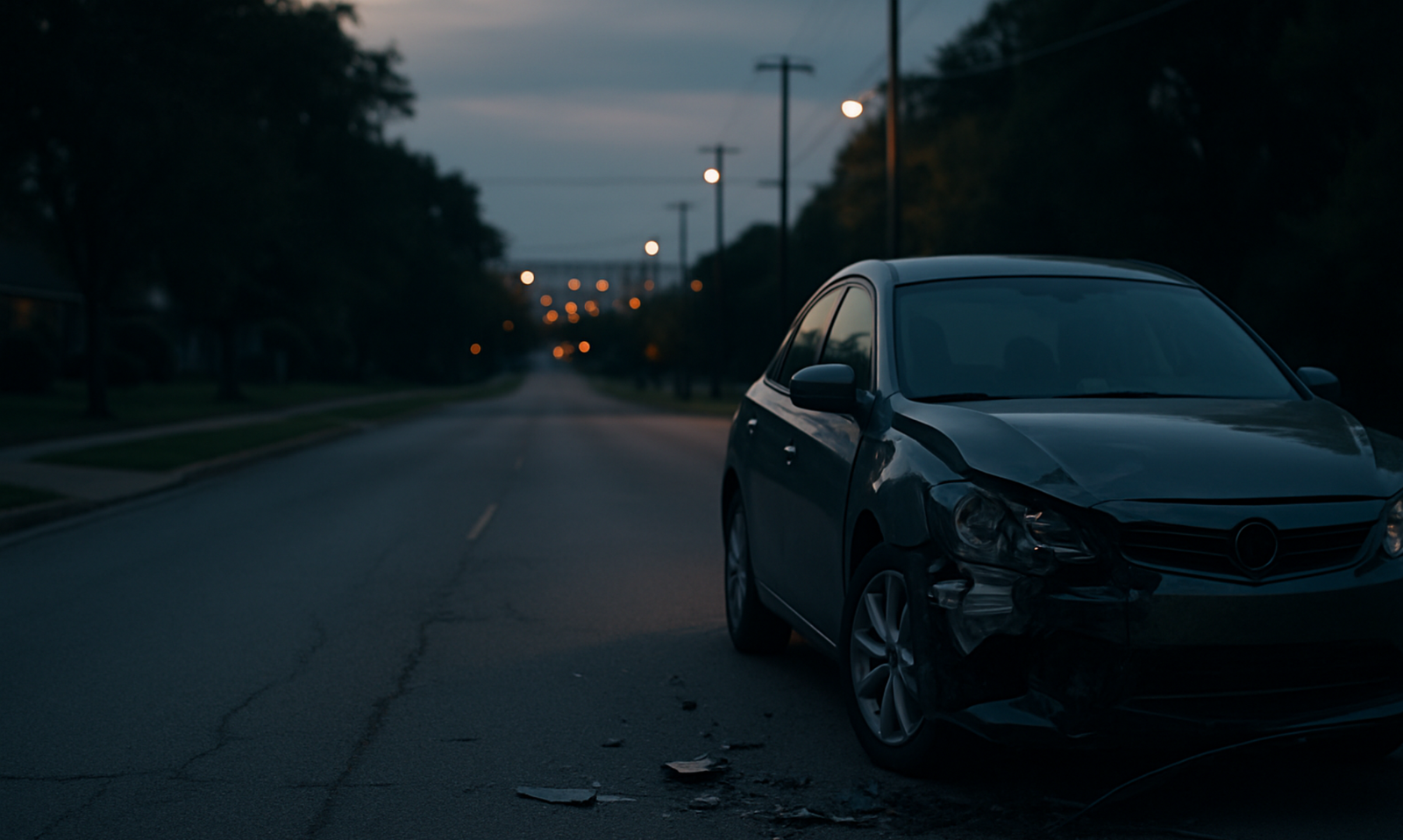
Fault determines who pays after a crash, and it’s decided by evidence — not by who apologizes at the scene. Insurers and, if needed, courts weigh police reports, photos, witness statements, and traffic laws to assign responsibility. In some states, being even 1% at fault can bar your recovery entirely.
Last updated: July 2026.
Key Takeaways
- Fault is decided by evidence, not on-the-spot apologies.
- Police reports, photos, and witness statements carry the most weight.
- Shared-fault rules vary by state and can reduce or block your recovery.
- Never admit fault at the scene — let the evidence speak.
Who Decides Who Is at Fault?
In most cases, insurance adjusters make the first fault determination by reviewing the evidence. If the parties dispute it and the case goes to court, a judge or jury decides. Either way, the decision rests on documented facts — which is why what you collect at the scene matters so much.
What Evidence Is Used to Determine Fault?
Several types of evidence carry the most weight when assigning fault:
- Police report — a neutral account, often including the officer’s assessment
- Photos and video — vehicle damage, skid marks, traffic signals, dashcam footage
- Witness statements — neutral third parties who saw the crash
- Traffic laws — which driver violated a rule (e.g., ran a red light)
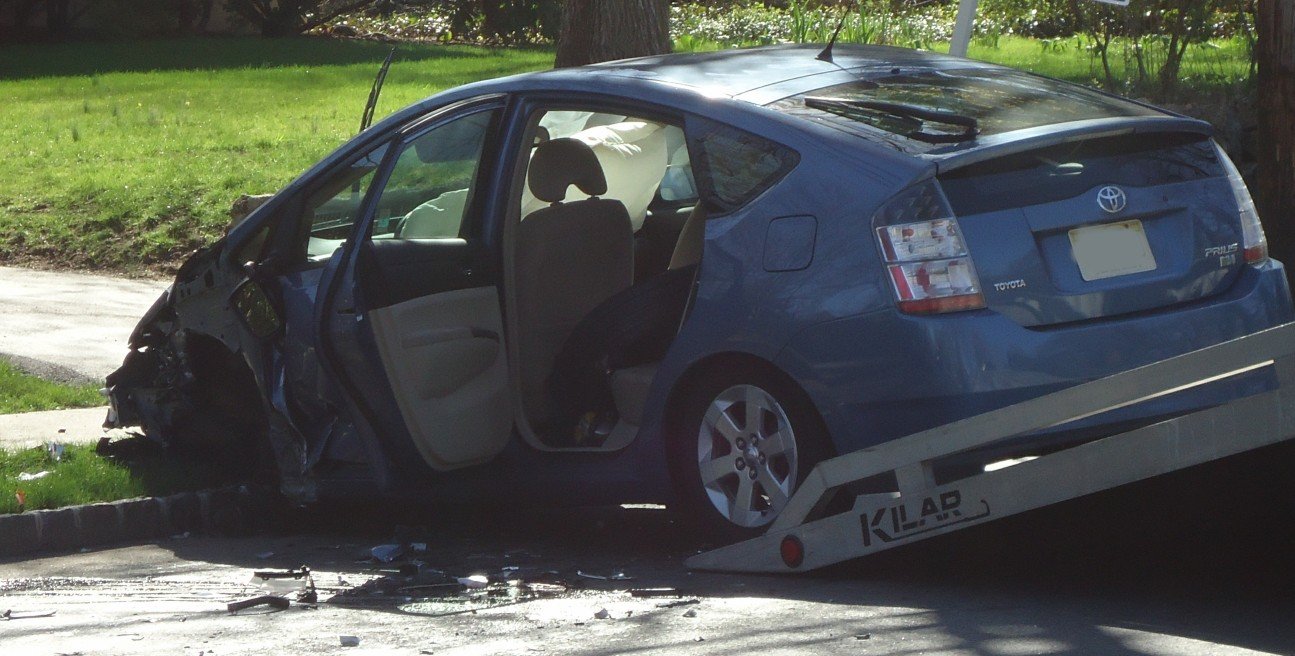
- Vehicle damage patterns — which can show how the collision occurred
What Are the Rules for Fault Determination in a Car Accident?
Fault determination rules are the framework insurers and courts follow to assign blame. While the exact wording varies by state, the same core principles drive nearly every decision:
- Duty of care — every driver must operate their vehicle safely and follow traffic laws.
- Breach — a driver who violates a rule (speeding, running a red light) breached that duty.
- Causation — the breach must have actually caused the crash, not just coincided with it.
- Right-of-way rules — who legally had priority often decides fault at intersections.
- Presumption rules — rear-end and left-turn crashes carry near-automatic fault presumptions.
These rules apply whether you are in the US or elsewhere — the same duty-breach-causation logic underpins fault determination rules in the UK and most common-law countries, though thresholds and comparative-fault limits differ. Once fault is assigned, your state’s no-fault or at-fault system decides how much you can actually recover.
How Does Shared Fault Affect Your Claim?
Many crashes involve shared blame, and your state’s rules decide what that means. In pure comparative states, a 20% fault finding cuts a $100,000 award to $80,000. In strict contributory-negligence states like North Carolina, being even 1% at fault can bar recovery entirely.
Why You Should Never Admit Fault
A casual “I’m sorry” at the scene can be treated as an admission of fault, even if the other driver was mostly responsible. Stick to the facts with police and insurers, avoid speculation, and let the evidence determine fault. This single habit can protect thousands of dollars in your claim.
Being blamed for a crash that wasn’t your fault? A free attorney review can help you fight back.
How Do Insurance Companies Assign Fault?
After a crash, each driver’s insurer investigates and assigns a percentage of fault based on the evidence: the police report, photos, statements, vehicle damage, and traffic laws. In many cases the insurers negotiate with each other to agree on an allocation, which then drives who pays what.
Certain situations carry near-automatic fault presumptions — for example, rear-end collisions usually place fault on the driver behind, and left-turn crashes often fall on the turning driver. But these are starting points, not absolutes, and strong evidence can shift them.
What Can You Do If You Disagree With the Fault Decision?
You are not stuck with an insurer’s fault finding. If you believe it’s wrong, you can dispute it by submitting additional evidence — new photos, witness statements, a dashcam clip, or the full police report — and asking for a formal review.
- Request the insurer’s reasoning for the fault decision in writing.
- Provide any evidence that contradicts their version.
- Get statements from witnesses who saw the crash.
- Escalate to a supervisor or file a complaint with your state insurance department.
- Consult an attorney if the fault dispute involves significant money.
Because shared-fault rules can sharply cut your payout, even a small change in the assigned percentage can be worth fighting for.
How Does Fault Affect What You Can Recover?
Fault and money are directly linked. In most states, your compensation is reduced by your share of fault — a 20% fault finding cuts a $50,000 recovery to $40,000. In a handful of strict “contributory negligence” states, being even 1% at fault can bar you from recovering anything at all.
That’s why the fault percentage is often the most fiercely negotiated part of a claim. Even a small shift can mean thousands of dollars, so it pays to document the crash thoroughly and challenge any fault finding you believe is unfair.
Can Fault Be Split Between Both Drivers?
Yes — shared fault is common. Insurers often assign a percentage to each driver, such as 70/30, based on the evidence. Under comparative negligence rules, your recovery is then reduced by your share. Because even a modest change in that split can shift thousands of dollars, it’s worth documenting the crash carefully and disputing any percentage you believe is unfair.
Frequently Asked Questions
Does the police report decide who is at fault?
Not entirely. A police report carries significant weight and often includes the officer’s opinion, but insurers and courts make the final call using all available evidence. A report can be challenged with photos, witnesses, and other proof.
What if both drivers are partly at fault?
Your recovery depends on your state’s shared-fault rule. Most states reduce your award by your percentage of blame. A few strict states bar recovery if you’re even slightly at fault, so clear evidence of the other driver’s responsibility is critical.
Can fault be changed after the insurer decides?
Yes. An insurer’s fault determination isn’t final. You can dispute it with additional evidence, and if negotiation fails, the matter can go to court. An attorney can help gather proof and challenge an unfair fault decision.
What are the rules for determining fault in a car accident?
Fault is determined using duty of care, breach of that duty, and causation. Insurers weigh the police report, photos, witness statements, traffic-law violations, and right-of-way rules. Rear-end and left-turn crashes carry near-automatic fault presumptions that strong evidence can still shift.
Bottom line: fault decides who pays and how much, so it’s worth protecting. Document the scene thoroughly, avoid admitting blame, and don’t accept an unfair fault percentage without challenging it — even a few points can be worth thousands of dollars.
Conclusion
Fault is the foundation of every car accident claim, and it’s built on evidence. Document the scene thoroughly, never admit blame, and understand your state’s shared-fault rules. When fault is disputed — especially in strict states — a free legal consultation can protect your right to recover.
Disclaimer: This article is for general informational purposes only and does not constitute legal advice. Fault rules vary by state. Consult a licensed attorney in your jurisdiction about your specific situation.