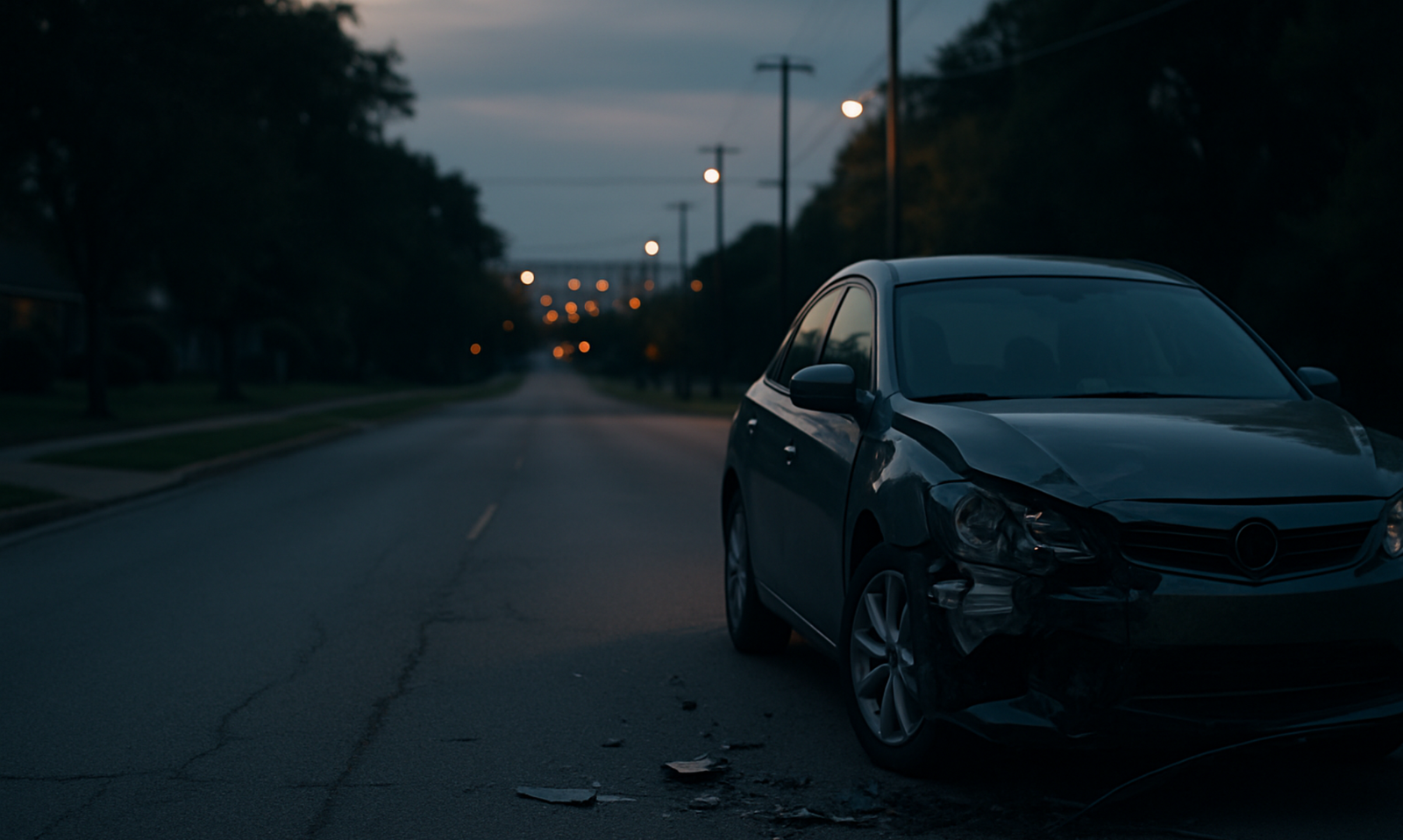
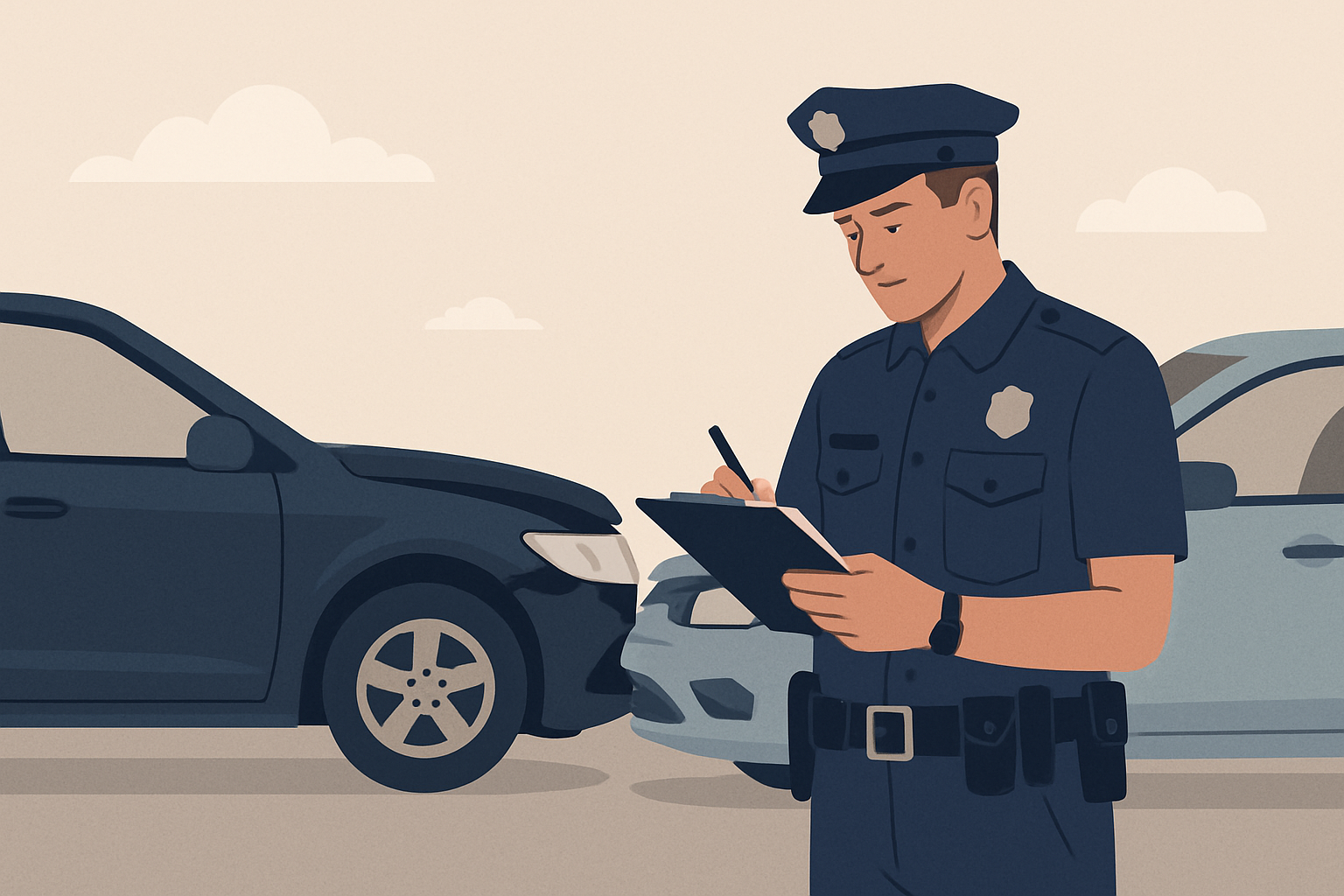
A police report is one of the most valuable pieces of evidence in a car accident claim. It creates an official, neutral record of the crash that insurers and courts rely on. Many states also legally require reporting any accident involving injury or damage above a set amount.

Key Takeaways
- A police report is strong, neutral evidence for your claim.
- Many states require reporting crashes with injury or significant damage.
- You can usually get a copy from the police department within a few days.
- If no report exists, your own documentation becomes even more important.
Why Is a Police Report So Important?
A police report is a neutral, third-party account of the crash. It documents the date, location, parties, vehicle damage, and often the officer’s view on what happened. Insurers give it significant weight, and it protects you if the other driver later changes their story.
When Are You Required to File One?
Most states require a police report when a crash involves injury, death, or property damage above a set dollar amount. Even when it’s not legally required, calling the police is usually smart — the official record almost always helps your claim more than it hurts.
How Do You Get a Copy of the Report?
You can usually request a copy from the responding police department or online portal within a few days of the crash. You’ll need the report number, the date and location, and the names of those involved. Get a copy as soon as it’s available and check it for errors.
What If There’s No Police Report?
You can still file a claim without a police report, but your own evidence becomes critical. Photos, witness contact details, medical records, and a written account of what happened all help prove your case. Notify your insurer promptly and document everything you can.
Claim disputed despite a police report? A free attorney review can help you push back.
What Should You Do If Police Don’t Come to the Scene?
In minor crashes, police sometimes won’t respond, especially in busy areas or when there are no injuries. If that happens, you can usually file a report yourself at a local police station or online, often within a set number of days. Many states require a self-report for crashes above a certain damage amount.
If no official report exists at all, build your own record: photograph the scene and damage, collect witness contact details, and write down everything while it’s fresh. This documentation becomes your evidence in place of the report.
How Does a Police Report Affect Your Claim?
A police report is one of the most persuasive pieces of evidence in a car accident claim. It provides a neutral, third-party account of the crash, often including the officer’s notes on conditions, statements, and sometimes an opinion on fault or a citation issued.
While the report isn’t the final word on liability — insurers and courts make their own determinations — it carries real weight in negotiations. A report that supports your version of events can significantly strengthen your position and speed up a fair settlement.
Does a Police Report Determine Who Pays?
Not by itself. A police report is influential evidence, but insurers and courts make the final call on liability. An officer’s opinion on fault, or a citation issued at the scene, carries weight in negotiations — yet the other side can still dispute it with their own evidence.
Think of the report as a strong foundation rather than a verdict. Pair it with your own photos, witness statements, and medical records, and it becomes far harder for an insurer to shift blame or minimize your claim.
How Long Do You Have to Get the Police Report?
Reports are usually available within a few days to two weeks after the crash, once the officer files it. You can request a copy from the responding police department, and many states now offer online access through a records portal. Get it early — it’s core evidence, and waiting risks the report becoming harder to obtain as time passes.
Frequently Asked Questions
Can I file an insurance claim without a police report?
Yes, but it’s harder. Without a police report, insurers rely more heavily on your own evidence. Photos, witness statements, and medical records become essential to prove what happened and who was at fault.
How long do I have to get a police report?
Reports are usually available within a few days of the crash. Request your copy promptly and review it for accuracy. If you find an error, contact the department right away to ask how to request a correction.
What if the police report has the fault wrong?
A police report isn’t the final word on fault, but it carries weight. If it contains an error, you can request a correction for factual mistakes and gather additional evidence — photos, witnesses, expert input — to support your version. An attorney can help challenge it.
Bottom line: whenever possible, get a police report — it’s neutral, authoritative evidence that strengthens your claim. If none exists, build your own record with photos, witness details, and a self-report so you’re never left relying on memory alone.
And if an insurer ever downplays your version of events, a police report that supports you is often the fastest way to bring the negotiation back to the facts and keep your claim on solid ground.
Conclusion
A police report is one of the strongest tools for a smooth car accident claim. Call the police when in doubt, request your copy promptly, and check it carefully. If no report exists — or it gets the facts wrong — thorough personal documentation and legal help can keep your claim on track.
Disclaimer: This article is for general informational purposes only and does not constitute legal advice. Reporting requirements vary by state. Consult a licensed attorney in your jurisdiction about your specific situation.