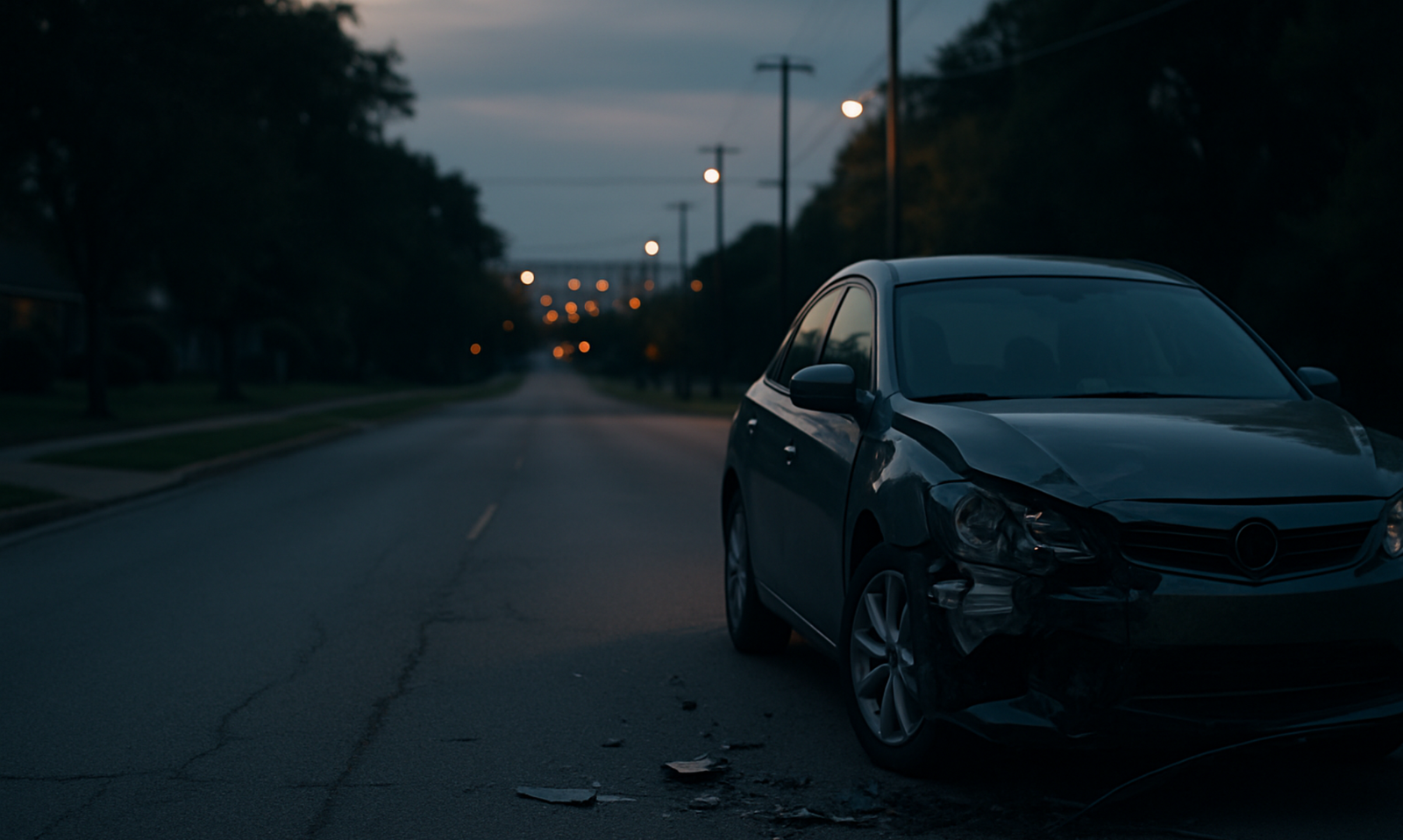
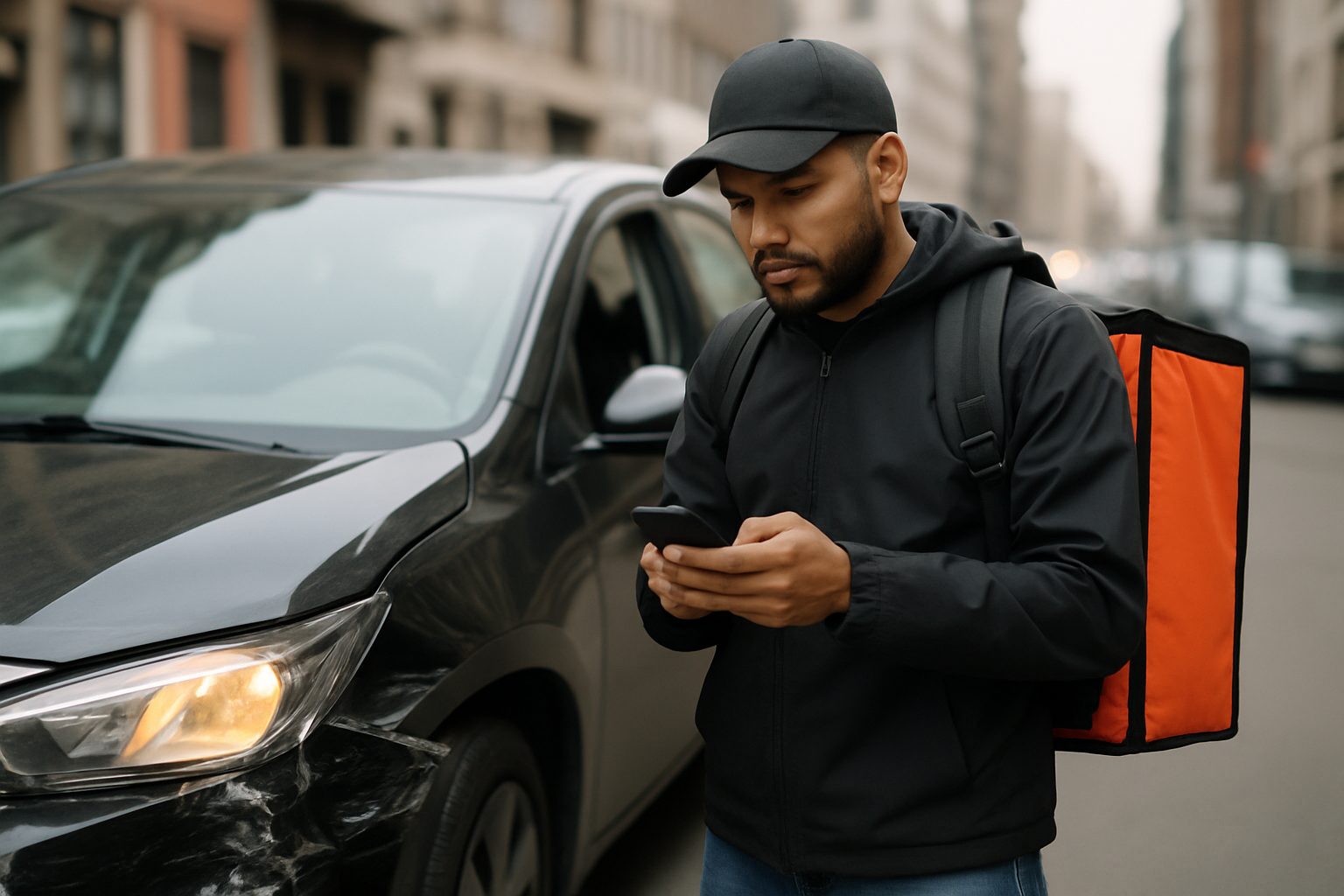
A rideshare accident lawyer handles crashes involving Uber, Lyft, and delivery apps — cases that are more complex than an ordinary wreck because multiple insurance policies overlap. When a rideshare app is active, companies like Uber and Lyft carry up to $1 million in liability coverage. Which policy pays depends on the app’s status, and a lawyer knows how to reach the right one. Most work on contingency with a free consultation.
Key Takeaways
- Rideshare crashes involve overlapping insurance from the app, the driver, and others.
- Uber and Lyft carry up to $1 million in liability coverage during an active trip.
- Which policy pays depends on the driver’s app status at the moment of the crash.
- Passengers, other drivers, cyclists, and pedestrians can all have valid claims.
- Most rideshare accident lawyers work on contingency — no fee unless you win.
What Is a Rideshare Accident Lawyer?
A rideshare accident lawyer is a personal injury attorney who focuses on crashes involving app-based drivers — Uber, Lyft, and delivery services like DoorDash or Uber Eats. These claims differ from a standard crash because a corporation’s commercial insurance policy is involved, on top of the personal policies of the drivers.
That extra layer is exactly why specialized help matters. If your crash specifically involved an Uber, see our focused guide on the Uber accident lawyer and how those claims work.
How Does Rideshare Insurance Work?
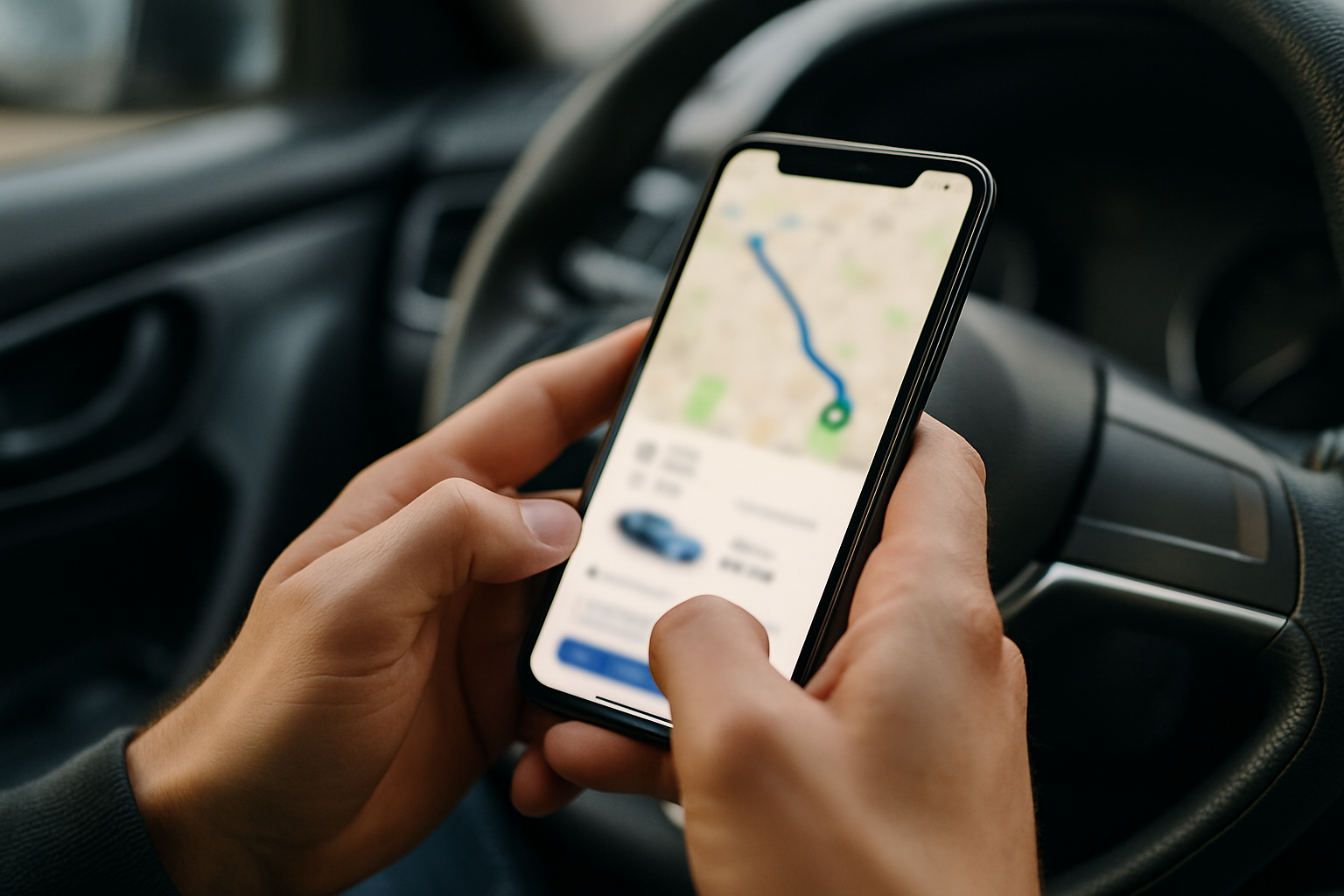
The coverage that applies hinges entirely on what the rideshare driver was doing in the app when the crash happened. This is the single most important factor in your claim:
- App off: only the driver’s personal auto insurance applies.
- App on, waiting for a request: the company provides limited liability (about $50,000/$100,000).
- En route to pick up or during a trip: the company’s $1 million liability policy applies.
- Uninsured/underinsured motorist: the rideshare policy may cover you if an uninsured driver caused the crash.
Who Can File a Rideshare Accident Claim?
More people than you might expect. Because a rideshare vehicle shares the road with everyone, several categories of victim can pursue a claim:
- Passengers — almost never at fault, so you can claim against whichever driver caused the crash.
- Other drivers — hit by a rideshare vehicle during an active trip.
- Pedestrians and cyclists — struck by an app-based driver.
- The rideshare driver — injured by another at-fault driver while working.
If the at-fault party had no insurance, recovery gets harder — see our guide on being hit by an uninsured driver.
What Does a Rideshare Accident Lawyer Do?
A rideshare lawyer untangles the overlapping policies, identifies which insurer is responsible, and deals with corporate insurers built to minimize payouts. They gather evidence, prove the app’s status at the time, value your full damages, and negotiate — or file suit if needed.
Because most work on contingency, you pay a percentage only if they win — see what percentage a car accident lawyer takes. Consultations are typically free, so there’s no risk in asking.
How Do You Find a Good Rideshare Accident Lawyer?
Look for specific rideshare or Uber/Lyft experience, not just general car accident work — the insurance layers are different. A few quick checks:
- Confirm they’ve handled Uber, Lyft, or delivery-app cases before.
- Make sure they offer a free consultation and work on contingency.
- Check reviews and their state bar standing.
- Ask about typical results in rideshare cases like yours.
Our general checklist on how to find the best car accident lawyer applies here too.
Bottom line: rideshare crashes stack multiple insurance policies, and the app’s status decides who pays. A rideshare accident lawyer reaches the right insurer — often Uber or Lyft’s $1 million policy — and most cost nothing unless they win.
What Mistakes Should You Avoid After a Rideshare Crash?
A few early missteps can weaken an otherwise strong rideshare claim. Because multiple insurers are involved, protecting yourself matters even more:
- Not reporting the crash in the app — Uber and Lyft require an in-app report to trigger their coverage.
- Failing to screenshot the trip — the trip record proves the app was active, which decides coverage.
- Giving a recorded statement to the insurer — your words can be used to reduce the payout.
- Accepting a fast, low offer — corporate insurers open low, and a signed release is final.
- Skipping medical care — a gap in treatment lets the insurer argue you weren’t hurt.
Document everything at the scene: the driver’s details, the app status, photos, and witnesses. Then let a rideshare accident lawyer handle the insurers — it keeps your leverage intact and your claim on track.
It also helps to understand the delivery-app angle. Crashes involving DoorDash, Uber Eats, Grubhub, and Instacart drivers follow the same logic as Uber and Lyft: coverage depends on whether the driver was actively on a delivery when the crash happened. If they were mid-delivery, the company’s commercial policy may apply; if they were off the clock, only their personal insurance does.
Proving that status is often the whole battle. A rideshare accident lawyer subpoenas the app’s trip and delivery records to establish exactly what the driver was doing — the single fact that unlocks the right insurance policy and, with it, a fair recovery.
Frequently Asked Questions
What does a rideshare accident lawyer do?
A rideshare accident lawyer handles crashes involving Uber, Lyft, or delivery apps. They identify which of the overlapping insurance policies applies, deal with the corporate insurer, prove the app’s status, value your damages, and negotiate a settlement — usually on contingency, so no fee unless you win.
How much does a rideshare accident lawyer cost?
Usually nothing upfront. Most work on a contingency fee of around one-third of the settlement, and charge no fee if they don’t win. Consultations are typically free, letting you learn your options at no financial risk.
How does Uber and Lyft insurance work after a crash?
It depends on the app’s status. If the app was off, the driver’s personal insurance applies. Waiting for a request triggers limited company coverage. En route or during a trip, the company’s $1 million liability policy applies.
Can a passenger sue after a rideshare accident?
Yes. Passengers are almost never at fault, so you can claim against whichever driver caused the crash. During an active trip, Uber or Lyft’s $1 million policy often covers passenger injuries. A lawyer identifies the right insurer to pursue.