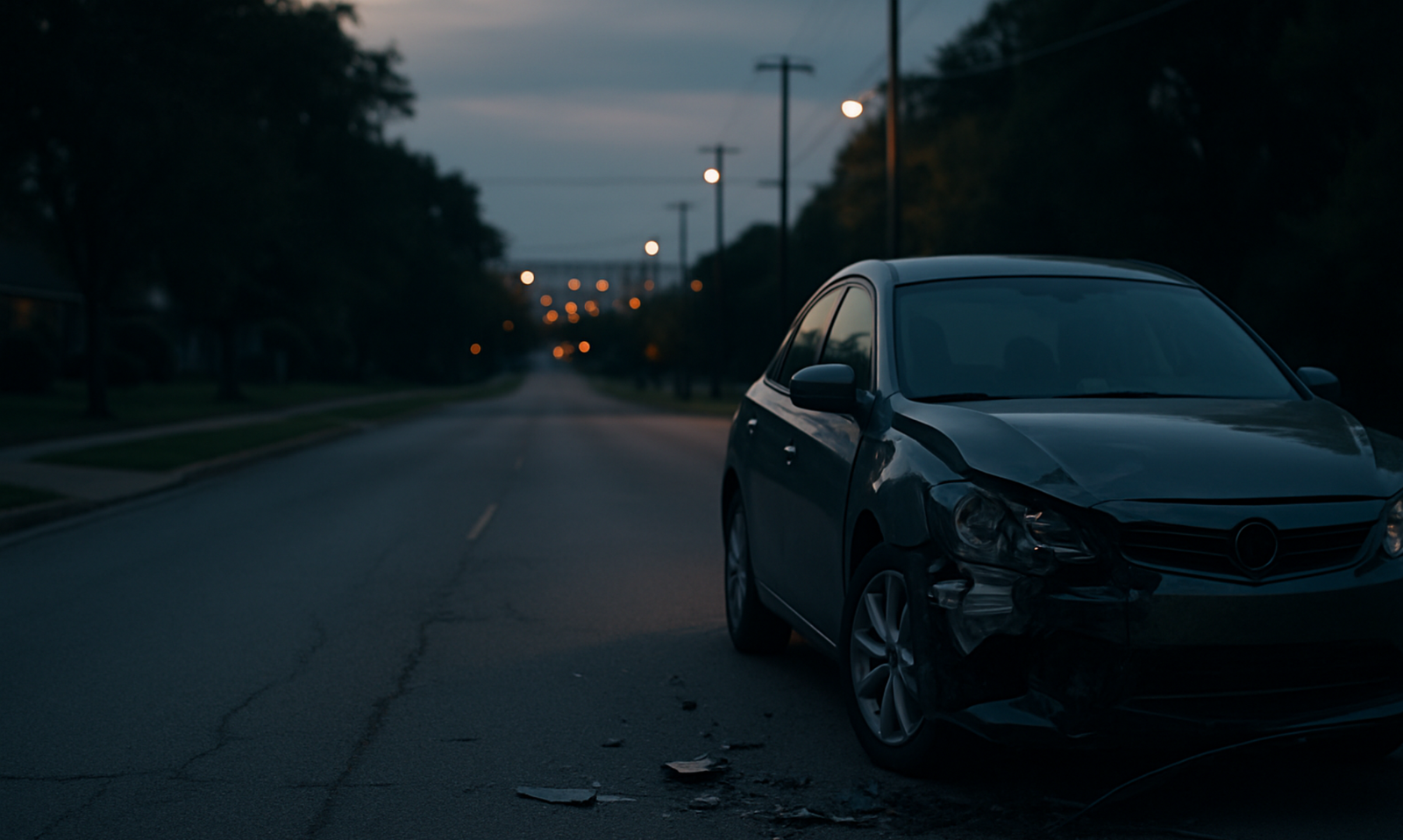

Whether to hire a lawyer or handle a car accident claim yourself comes down to injuries and disputes. For a minor, no-injury crash with clear fault, many people settle directly with the insurer. But once injuries are serious or fault is contested, a lawyer’s experience often recovers more than their fee costs.
New to this? Start with our complete guide: Car Accident Lawyer: When You Need One, Cost & How to Choose.
Key Takeaways
- Handle it yourself for minor, no-injury crashes with clear fault and a fair offer.
- Hire a lawyer when injuries are serious, fault is disputed, or the offer is low.
- Lawyers work on contingency — no fee unless you win.
- Free consultations let you compare your options at no cost or risk.
When Can You Handle a Claim Yourself?
Some claims genuinely don’t need a lawyer. If there are no injuries, fault is obvious, and the insurer’s offer covers your costs, handling it yourself keeps the entire settlement in your pocket. The key is honest documentation: photos, the police report, repair estimates, and a clear record of expenses.

Doing it yourself works best for straightforward property-damage claims. You negotiate directly with the adjuster, supply your evidence, and accept a fair figure. The moment injuries or disputes enter the picture, though, the calculation changes.
When Is Hiring a Lawyer the Better Choice?
Certain situations tip the balance firmly toward representation. Any one of these usually means a lawyer will protect — and often increase — your recovery:
- Serious, permanent, or still-developing injuries.
- Disputed or denied fault.
- A settlement offer that clearly doesn’t cover your costs.
- Multiple vehicles or parties involved.
- An uninsured or underinsured at-fault driver.
- Pressure to sign a release quickly.
Does a Lawyer Actually Recover More Money?
For injury claims, the evidence generally favors representation. Lawyers know how to value a claim accurately — including future medical costs and pain and suffering that people handling claims alone often overlook — and they negotiate from experience with what similar cases settle for.
The higher recovery frequently more than offsets the contingency fee. For a no-injury claim, though, the fee may not be justified, which is why the injury question is the real dividing line.
What Are the Risks of Going It Alone?
The biggest risk of self-handling is undervaluing your claim. Insurers negotiate these cases daily and can tell when a claimant is unsure of their case’s worth. Once you accept and sign a release, that money is final — you can’t reopen the claim even if injuries worsen.
The second risk is procedure: missing your state’s filing deadline, giving a recorded statement that hurts your case, or accepting a lowball first offer. A lawyer guards against all three, which is why the stakes of the case should drive your decision.
How Do You Decide Which Route to Take?
Weigh complexity and stakes. A minor, clear-cut, no-injury claim is a reasonable do-it-yourself project. Anything involving real injuries, disputed fault, or a low offer justifies at least a free consultation, since the downside of asking is minimal.
Because most lawyers work on contingency and consultations are free, you can get an experienced read on your claim’s value before deciding. That single conversation often makes the choice obvious.
Bottom line: handle a minor, no-injury crash yourself, but bring in a lawyer the moment injuries, disputed fault, or a low offer appear. With free consultations and contingency fees, the cost of at least asking is low — and for serious claims, representation usually pays for itself.
How Does Your State’s Law Affect the Decision?
Your state’s rules can tip the balance toward hiring a lawyer. In no-fault states, strict thresholds control when you can step outside the system to sue, and the paperwork is unforgiving. In comparative-fault states, the percentage of blame assigned to you directly cuts your payout — a technical fight where experience helps.
If your state has complex rules or a short filing deadline, the risk of a costly mistake handling the claim alone rises. When the legal framework is complicated, a free consultation is worth it even for a claim that seems moderate.
What Does a Lawyer Actually Do for You?
Understanding the work clarifies the value. Beyond negotiation, a car accident lawyer investigates fault, gathers evidence and expert opinions, values your claim including future costs, handles all insurer communication, and meets every procedural deadline.
Each of those tasks is a place where an unrepresented claimant can lose money or make a mistake. That’s why, for anything beyond a simple no-injury claim, the question is less about cost and more about how much is at stake.
In practice, the safest rule of thumb is simple: if you have to ask whether your case is too complex to handle alone, that uncertainty itself is a good reason to book a free consultation before making any decision.
Frequently Asked Questions
Can I settle a car accident claim without a lawyer?
Yes, especially for minor, no-injury crashes with clear fault and a fair offer. Document everything, negotiate directly with the adjuster, and don’t sign until the figure covers your costs. For serious injuries or disputes, a lawyer usually recovers more.
Do lawyers get you more money for a car accident?
For injury claims, typically yes — represented claimants often recover more, frequently enough to net more even after the contingency fee. Lawyers value claims accurately and negotiate from experience. For no-injury claims, the fee may not be justified.
What are the risks of handling a claim myself?
Mainly undervaluing your claim and procedural mistakes — missing a filing deadline, giving a harmful recorded statement, or accepting a lowball offer. Once you sign a release, the settlement is final, even if injuries later worsen.
When should I definitely hire a lawyer?
When injuries are serious, fault is disputed or denied, the offer is too low, multiple parties are involved, or the at-fault driver is uninsured. Any of these can dramatically change your claim’s value and how hard the insurer fights.