
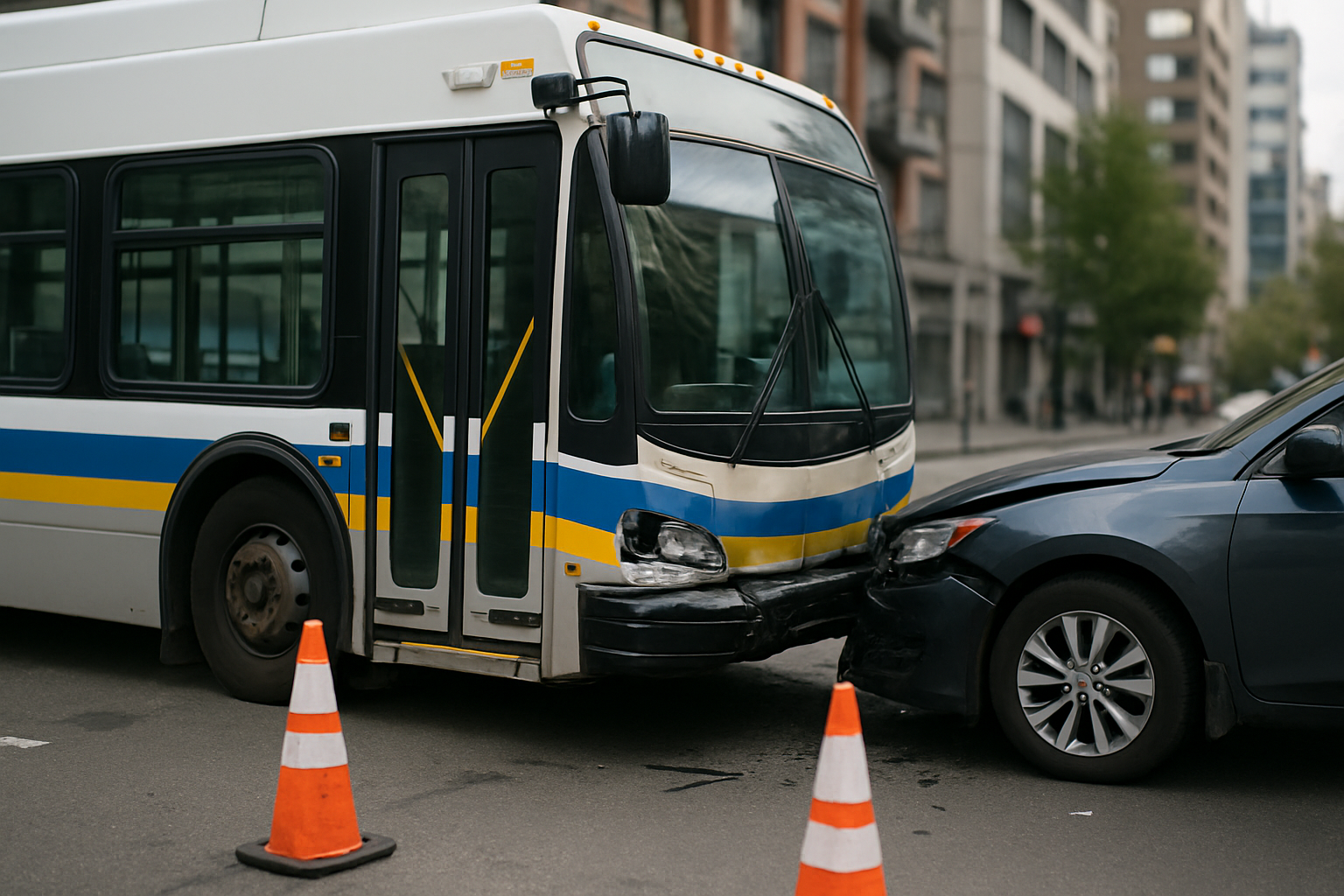
A bus accident lawyer helps passengers and others injured in a bus crash recover compensation — claims that are often complex because the bus may be run by a government agency or a private company, each with different rules. Injuries can be serious and multiple victims may share one insurance policy. Most bus accident lawyers offer a free consultation and work on contingency.
Key Takeaways
- Bus crashes can involve public transit, school, or private charter buses — each with different rules.
- Claims against a government-run bus have shorter deadlines and special notice rules.
- Passengers are almost never at fault, so they usually have a strong claim.
- Many victims may share a limited policy, so acting fast protects your share.
- Most bus accident lawyers work on contingency — no fee unless you win.
Who Is Liable in a Bus Accident?
It depends on the type of bus and who caused the crash. The bus driver, the bus company or transit agency, another driver, or a maintenance provider can all be liable. As a passenger, you’re almost never at fault, so you can usually claim against whichever party caused the crash.
If another driver caused it, that driver’s insurance may also apply. For how blame is decided, see our guide on finding the right lawyer to handle it.
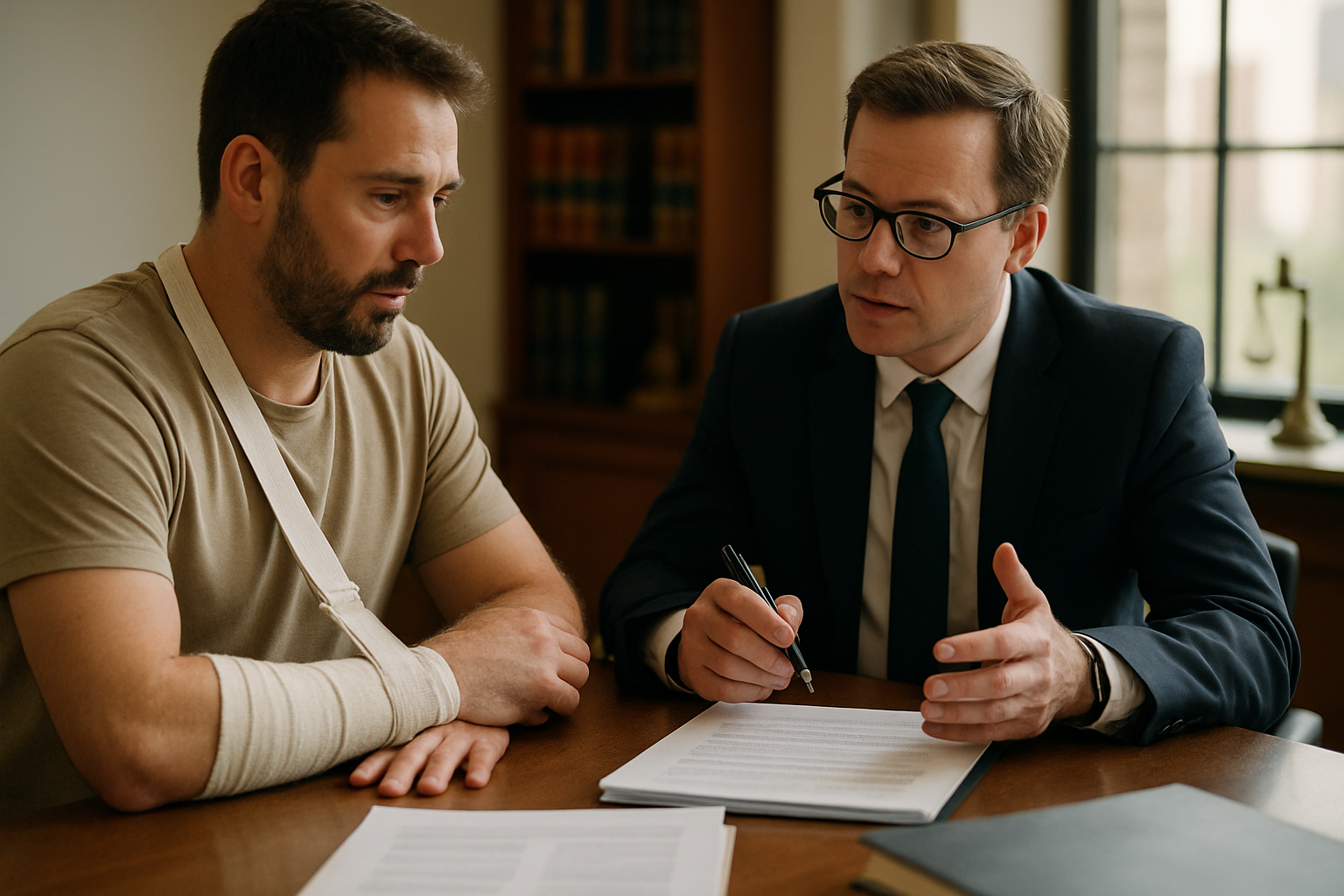
Why Are Government Bus Claims Different?
This is the biggest trap in bus cases. If the bus is run by a city, county, or transit authority, you’re filing against a government entity — which comes with special rules that can sink an unprepared claim:
- Shorter deadlines — some require a formal notice of claim within 30–180 days.
- Notice requirements — a specific written notice before you can even sue.
- Damage caps — some governments limit how much you can recover.
- Sovereign immunity — special legal protections that a lawyer must navigate.
What Compensation Can You Recover?
Because bus injuries can be serious, claims are often substantial. You may recover medical bills, lost wages, pain and suffering, and future care costs. If the at-fault party was uninsured — for example, a private driver who caused the crash — your own coverage may help.
If an uninsured driver caused the bus crash, see our guide on being hit by an uninsured driver. A lawyer identifies every policy that applies.
What Does a Bus Accident Lawyer Do?
A lawyer identifies whether the bus is public or private, meets the strict government deadlines if they apply, gathers evidence, and values your claim against insurers built to pay less. When many victims share one policy, they act fast to protect your share.
Most work on contingency, taking a percentage only if they win — see what percentage a lawyer takes. Consultations are typically free.
When Should You Call a Bus Accident Lawyer?
Immediately — especially with a government bus, where deadlines can be as short as 30 days. Contact a lawyer if:
- You were injured as a bus passenger, pedestrian, or in another vehicle.
- The bus was run by a city, school, or transit agency.
- Multiple people were injured in the same crash.
- You’re facing significant medical bills or lasting injury.
Fast action protects the short government deadline and preserves evidence — see how long a settlement takes.
Bottom line: a bus crash can give you a strong claim, but government-run buses carry short deadlines and special rules that catch people out. A bus accident lawyer meets those deadlines, pursues every liable party, and usually costs nothing unless they win.
What Should You Do After a Bus Accident?
Your actions afterward protect both your health and your claim — and with a government bus, the clock starts ticking immediately. If you’re able:
- Get medical attention — even if you feel okay; some injuries surface later.
- Report the crash — make sure an official incident report is filed.
- Photograph the scene — the bus, other vehicles, and your injuries.
- Get details — the bus number, route, operator, and witness contacts.
- Note the bus operator — whether it’s a city, school, transit agency, or private company.
That last point is critical: identifying whether the bus is public or private determines your deadline. A government-run bus may require a formal notice of claim in as little as 30 days, so the sooner a lawyer knows who operated the bus, the sooner they can protect your right to file at all.
It also helps to understand why bus injuries can be deceptively serious. Unlike cars, most buses have no seatbelts, so passengers are thrown around in a crash — causing head injuries, fractures, and spinal damage even at moderate speeds. Standing passengers on transit buses are especially vulnerable.
These injuries can surface or worsen in the days after the crash, which is another reason to see a doctor promptly and keep every record. A bus accident lawyer ties that medical documentation to the crash, countering an insurer’s attempt to argue the injuries weren’t serious or weren’t caused by the collision.
Frequently Asked Questions
What does a bus accident lawyer do?
A bus accident lawyer determines whether the bus is public or private, meets the strict government notice deadlines if they apply, identifies every liable party, gathers evidence, and values your claim. Most work on contingency, so no fee unless they win.
Who is liable in a bus accident?
It depends on the crash. The bus driver, the bus company or transit agency, another at-fault driver, or a maintenance provider can be liable. As a passenger you’re almost never at fault, so you can usually claim against whoever caused the crash.
How long do I have to sue after a bus accident?
It varies — and government buses are the catch. A crash involving a city, county, or transit-agency bus may require a formal notice of claim within 30 to 180 days, far shorter than a normal deadline. Missing it can bar your claim, so contact a lawyer fast.
Can a bus passenger sue after a crash?
Yes. Passengers are almost never at fault, so you can typically claim against whichever party caused the crash — the bus operator, another driver, or both. A lawyer identifies the right insurer and meets any special deadlines that apply.